

We often believe that protecting the environment requires big actions government policies, global agreements, or billion-dollar green technologies. While these steps are crucial, our everyday habits also play a powerful role in protecting the planet. The way we eat, travel, Habits shop, and even throw away waste directly impacts air quality, water resources, forests, and wildlife.
The good news is that simple lifestyle changes can make a big difference when followed by millions of people. From reducing plastic to saving electricity, these daily habits are easy to learn and powerful in effect. Here are practical ways you can contribute to a healthier Habits planet starting today.

Plastic bags are one of the biggest pollutants worldwide. Habits They clog drains, harm marine life, and take hundreds of years to decompose. Carrying a reusable cloth or jute bag reduces single-use plastic waste and is a habit that quickly becomes second nature.
Pro tip: Keep one in your car, office, or handbag so you never have to ask for plastic.
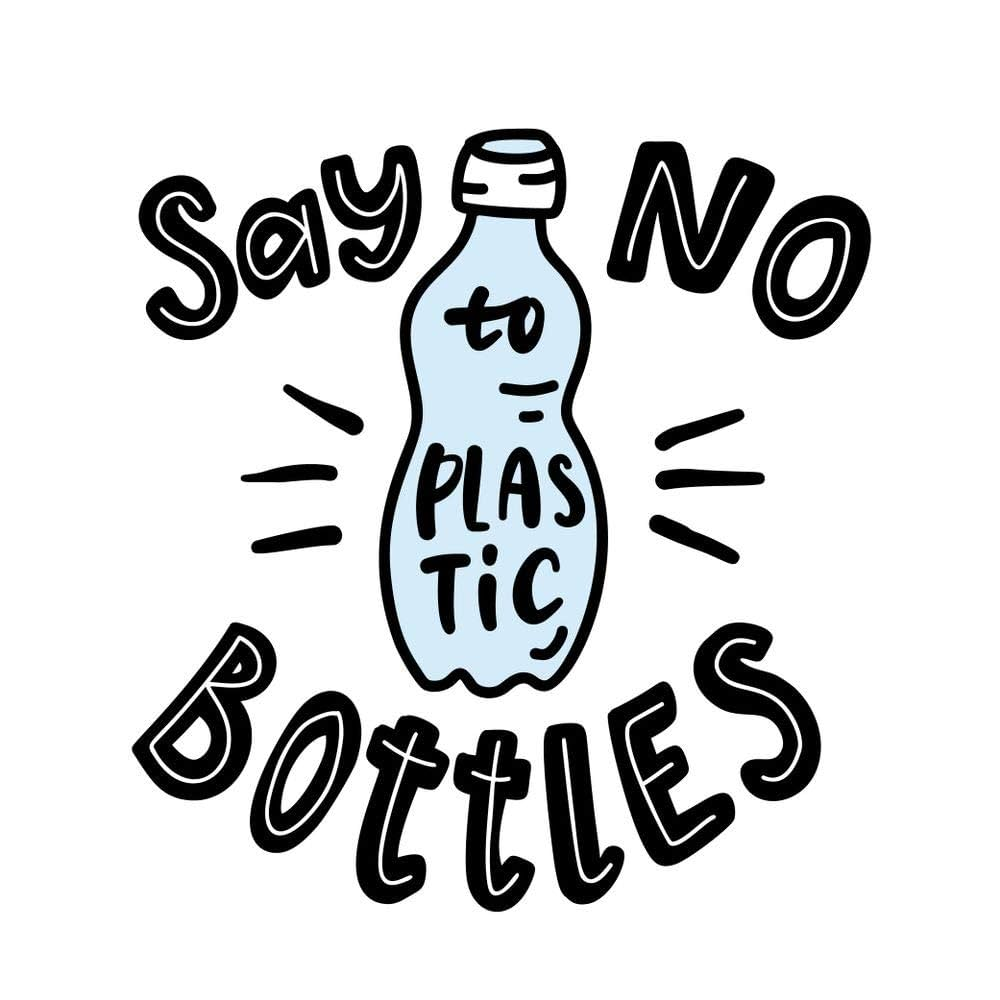
Bottled water may be convenient, but the waste it produces is staggering. Instead, use a refillable water bottle made of stainless steel or glass. Not only does it reduce plastic, but it also keeps your water cooler and fresher.
Fun fact: If one person avoids one plastic bottle every day, they prevent more than 350 bottles a year from entering landfills.

Energy conservation is one of the simplest ways to reduce your carbon footprint. Switch off lights and fans when not in use. Use energy-efficient appliances like LED bulbs and smart power strips. Even unplugging chargers when not in use makes a difference.
Small step, big impact: Lowering your home thermostat by just 1°C in winter can reduce energy use by up to 10%.

Did you know that nearly one-third of all food produced worldwide goes to waste? Not only is this a loss of resources, but wasted food also produces methane gas in landfills, a major contributor to climate change.
Habit tip: Plan meals, store leftovers smartly, and compost kitchen waste. Even using smaller plates helps reduce overeating and wastage.
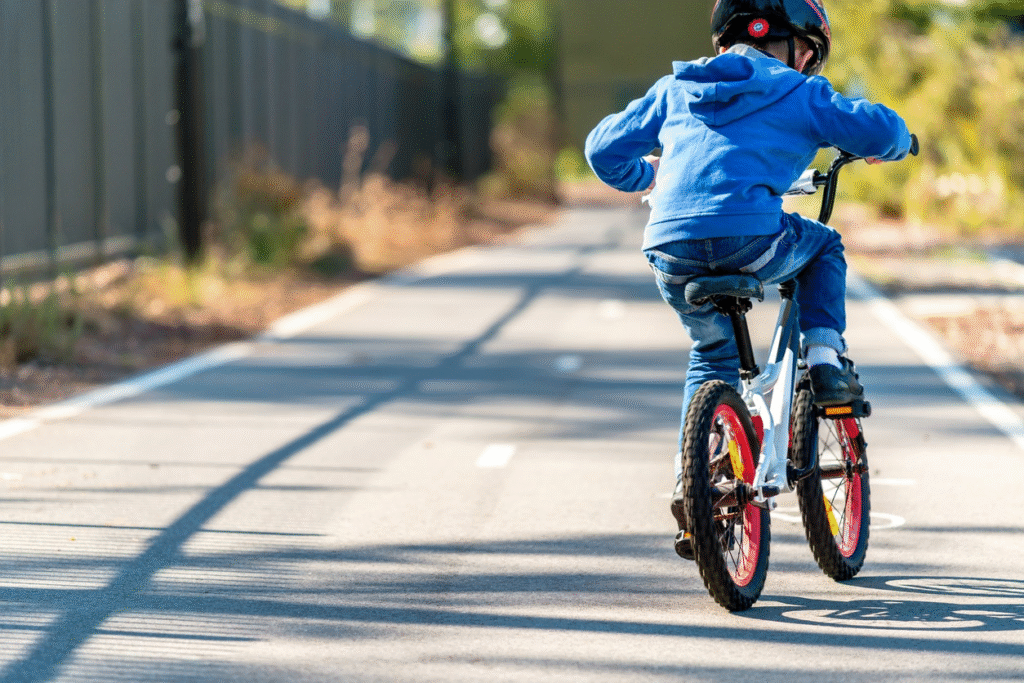
Cars are one of the largest sources of air pollution and greenhouse gases. If your workplace or school is close by, try walking or cycling. It’s healthy for you and healthier for the planet. For longer distances, choose buses, trains, or carpools over driving alone.
Health bonus: Just 30 minutes of walking daily improves heart health while reducing carbon emissions.
Every purchase you make is like casting a vote for the world you want. Look for brands that use sustainable materials, practice fair trade, or focus on reducing packaging waste. Eco-friendly shopping doesn’t just protect the planet, it also encourages more companies to go green.

Paper waste contributes to deforestation. Opting for e-bills, online banking, and digital receipts is a simple habit that saves millions of trees. Plus, it reduces clutter in your home.
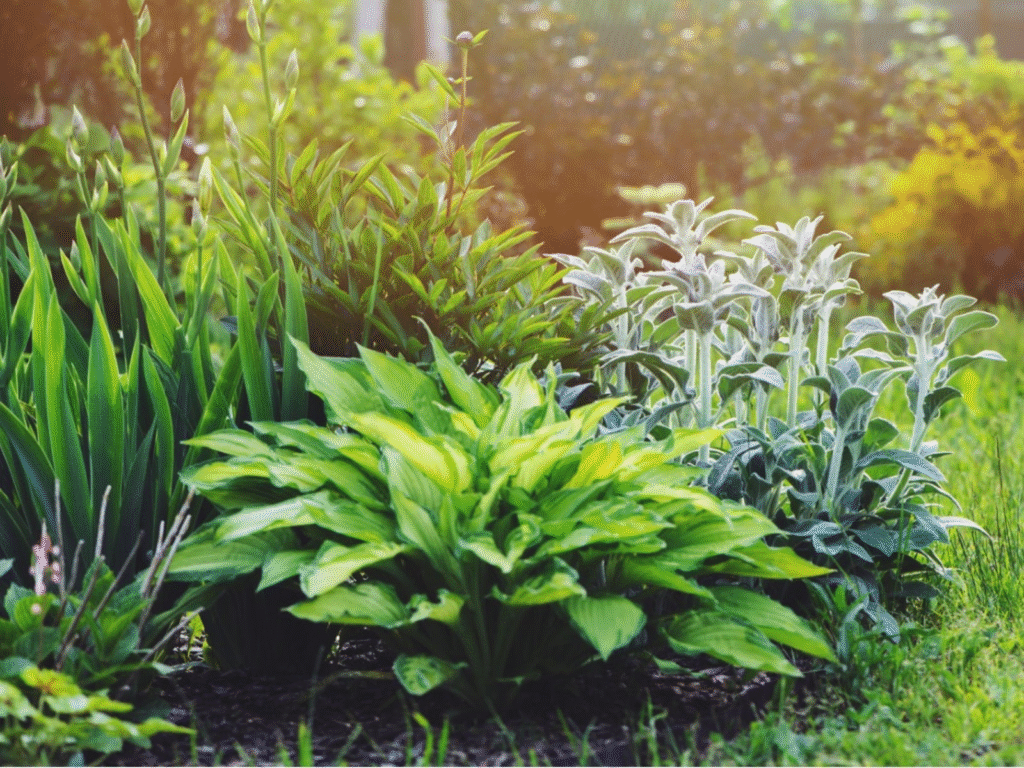
Planting trees is often called “nature’s air purifier.” They absorb carbon dioxide, give oxygen, provide shade, and prevent soil erosion. Even if you don’t have a garden, you can keep indoor plants that improve air quality.
Community idea: Join local tree-planting drives or adopt a patch of land in your neighborhood to green up.
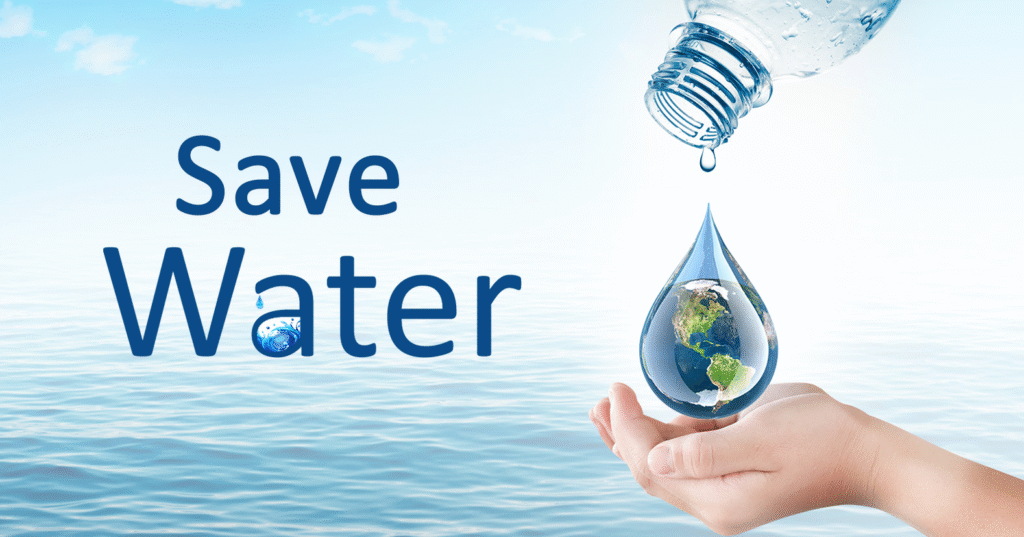
Fresh water is one of the planet’s most precious resources. A dripping tap can waste up to 10 liters a day. Simple habits like turning off taps while brushing, taking shorter showers, and fixing leaks help save thousands of liters each year.
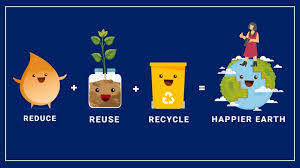
The classic three Rs are still the most effective way to protect the environment. Reduce unnecessary purchases, reuse items creatively, and recycle paper, glass, and metal whenever possible. Even separating dry and wet waste at home makes recycling more effective.

Food production, especially meat and dairy, contributes heavily to greenhouse gases. While you don’t have to turn vegetarian overnight, reducing meat consumption even once a week makes a difference. Adding more plant-based meals supports both your health and the planet.
Finally, habits are contagious. When you practice eco-friendly living, your family, friends, and colleagues are inspired to do the same. Share tips, encourage children, and take part in environmental awareness events. Change begins with one person but it spreads fast.
Protecting the environment doesn’t always require large investments or dramatic sacrifices. It begins with simple, everyday choices that together create a powerful impact. Imagine the difference if millions of people carried reusable bags, conserved water, or chose public transport.
Every small action adds up. By changing our habits today, we can ensure a healthier, greener, and safer planet for future generations. The time to act is now and it begins with you.
READ MORE:- Shobha Realty Launches Its Most Luxurious Project Yet—Full Details Inside 2025