Key Trends in Dubai and Abu Dhabi Rental Markets (2025)
Significant Rental Price Increases:
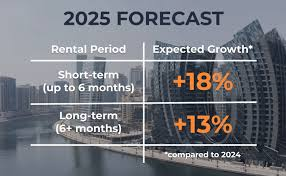
Dubai: The Dubai rental market is experiencing a boom, with average rental prices projected to rise by 13% for long-term rentals and 18% for short-term rentals in 2025. Luxury areas like Palm Jumeirah saw a 200% year-on-year price surge, while Jumeirah Islands reported a 97% increase, driven by demand for high-end villas.
Abu Dhabi: Rents have surged by up to 12% in 2025, despite the delivery of 1,200 new residential units in Q1, including 700 apartments and 500 villas in areas like Jubail Island and Al Raha Beach. High-end apartments saw 8–12% growth, while mid-tier properties increased by 5–8%. Luxury villas in prime locations like Saadiyat Island and Yas Island recorded up to 15% rental growth.
High Occupancy and Demand:
Dubai: Occupancy rates remain above 95% across investment zones, supported by a 23% increase in rental transactions in Q3 2023 and a 119% surge in rental leads year-on-year. The Dubai Land Department reported 39,000 property transactions in Q2 2024, with apartments dominating at 33,000, particularly one-bedroom units.
Abu Dhabi: With a population of 3.789 million as of September 2023, Abu Dhabi’s rental market maintains consistent demand, driven by expatriates (88% of the population) and professionals. Occupancy rates exceed 95% in prime areas like Al Reem Island and Yas Island.
Short-Term Rental Surge:
Dubai: An 18% increase in short-term rental demand, fueled by a tourism boom and platforms like Airbnb, is a key trend in 2025. High-demand areas like Jumeirah Lakes Towers (JLT) see one-bedroom apartment rates range from AED 9,500/month for annual leases to AED 10,700/month for three-month leases.
Abu Dhabi: Short-term rentals are also gaining traction in tourist-friendly areas like Yas Island, though the focus remains on long-term leases due to stable expatriate demand.
Smart Rental Index and Regulatory Changes:
Dubai: The Dubai Land Department’s Smart Rental Index, launched in January 2025, uses AI and real-time data to provide transparent rental valuations based on a 1–5 star rating system, evaluating building condition, location, and amenities. This replaces the RERA Rental Index, ensuring fairer rent increases and encouraging landlords to maintain properties.
Abu Dhabi: The Abu Dhabi Real Estate Centre (ADREC) introduced its first rental index in August 2024, offering quarterly pricing data to enhance transparency. A 5% annual rent cap, reinstated in 2016, remains in place, balancing tenant protections with landlord interests. New rules since 2018 allow faster eviction for non-payment, streamlining landlord processes.
Off-Plan and New Supply:
Dubai: The market saw 38,500 new residential completions in 2024, bringing the total housing stock to 757,500 units. An additional 13,500 units are scheduled for Q4 2024, primarily in Dubailand, Jumeirah Village Circle (JVC), and MBR City. Off-plan properties, accounting for 60% of sales, are popular due to flexible payment plans.
Abu Dhabi: Nearly 5,500 new units are planned for 2025 in areas like Yas Island, Masdar City, and Saadiyat Island. Despite new supply, high demand keeps rental prices elevated.
Technology Integration:
Digital platforms like Bayut and Property Finder simplify the rental process with virtual tours, online payments, and automated maintenance requests. PropTech advancements, including the Dubai PropTech Hub launched in May 2025, enhance transparency and efficiency.
Smart home features, such as IoT-enabled lighting and climate control, are increasingly standard, particularly in luxury rentals, boosting tenant appeal and rental yields.
Tenant Preferences in 2025
Location and Lifestyle:
Dubai: Tenants prioritize vibrant, amenity-rich neighborhoods. Top areas for apartments include Dubai Marina, Downtown Dubai, JLT, and Business Bay, while villas are sought in Dubai Hills Estate, Arabian Ranches, and DAMAC Hills. Affordable options like JVC and Al Nahda saw rental increases of 9–18% for apartments and 17–19% for villas.
Abu Dhabi: Al Reem Island, Al Raha Beach, and Khalifa City are top choices for apartments, offering a mix of affordability and luxury. Yas Island and Saadiyat Island lead for luxury villas, while Khalifa City and Al Reef attract budget-conscious tenants.
Modern Amenities:
Tenants across both cities prioritize properties with gyms, pools, 24/7 security, and proximity to public transport. Family-friendly amenities like parks and schools are key in areas like Dubai Hills Estate and Mohammed Bin Zayed City.
Smart home features, including AI-driven climate control and security systems, are highly sought after, particularly by expatriates and professionals.
Flexible Lease Terms:
In Dubai, landlords increasingly offer shorter leases, flexible payment plans, and rent-free periods to attract tenants, especially young professionals and expatriates. Co-living spaces in JLT and Business Bay are popular among young tenants for affordability and community.
Abu Dhabi tenants value flexible lease terms, such as monthly renewals or short-term options, particularly in furnished rentals, which are gaining popularity among expatriates for hassle-free moves.
Affordability vs. Luxury:
Dubai: Affordable areas like Al Nahda (16.7% studio rent increase) and DAMAC Hills 2 (24–32% villa rent increase) cater to budget-conscious tenants, while luxury areas like Palm Jumeirah and Downtown Dubai appeal to high-net-worth individuals.
Abu Dhabi: Affordable rentals in Khalifa City and Al Reef saw 1–14% rent increases, while luxury rentals in Al Raha Beach and Corniche Area rose by 7–27%.
Sustainability:
Tenants increasingly prefer eco-friendly properties with energy-efficient systems, especially in developments like Masdar City, where apartment prices range from AED 745,000 to AED 1.8 million.
Impact of the Golden Visa Program
The Golden Visa Program, requiring a minimum AED 2 million property investment for a 10-year residency, has boosted rental demand by attracting high-net-worth individuals and professionals. This has increased interest in luxury rentals in prime areas, contributing to price surges and higher rental yields (6–9% in Dubai, 6–8% in Abu Dhabi). The program’s flexibility, allowing off-plan investments and mortgage options, further fuels demand.
Challenges and Considerations
Affordability: Rising rents (13% in Dubai, 12% in Abu Dhabi) strain tenant budgets, pushing some toward homeownership or affordable areas.
Oversupply Risks: New unit deliveries could stabilize apartment rents in Dubai, but limited villa supply keeps prices high.
Regulatory Navigation: Tenants must stay informed about rental indices and caps to negotiate fair terms. Landlords face pressure to maintain properties to justify rent increases under the Smart Rental Index.
Artifact: Summary of 2025 Rental Market Trends in Dubai and Abu Dhabi
Key Trends
Price Surges: Dubai sees 13% (long-term) and 18% (short-term) rental increases; Abu Dhabi up to 12%. Luxury areas like Palm Jumeirah (200% YoY) and Saadiyat Island (15%) lead growth.
High Demand: Occupancy rates exceed 95% in both cities, driven by expatriates and tourism. Dubai recorded 39,000 transactions in Q2 2024; Abu Dhabi’s population growth fuels demand.
Short-Term Rentals: 18% demand surge in Dubai, with JLT rates at AED 9,500–10,700/month. Abu Dhabi sees growth in tourist areas like Yas Island.
Smart Rental Index: Dubai’s AI-driven index ensures transparent valuations; Abu Dhabi’s 5% rent cap and 2024 rental index enhance fairness.
New Supply: Dubai expects 13,500 units in Q4 2024; Abu Dhabi plans 5,500 units in 2025, yet demand keeps rents high.
Technology: PropTech platforms and smart home features (IoT, AI) streamline processes and boost appeal.
Tenant Preferences
Locations: Dubai: Dubai Marina, JVC, Al Nahda (affordable); Palm Jumeirah, Downtown (luxury). Abu Dhabi: Al Reem Island, Khalifa City (affordable); Yas Island, Al Raha Beach (luxury).
Amenities: Gyms, pools, security, and smart home features are priorities. Family-friendly areas like Dubai Hills Estate are popular.
Flexibility: Shorter leases and furnished rentals appeal to expatriates; co-living grows in Dubai’s JLT and Business Bay.
Sustainability: Eco-friendly properties in Masdar City and similar developments gain traction.
Investment Outlook
Rental Yields: Dubai: 6–9%; Abu Dhabi: 6–8%. Golden Visa drives demand for luxury rentals.
Opportunities: Off-plan properties and short-term rentals offer high ROI, especially in prime areas.
Challenges: Rising rents strain affordability; new supply may stabilize apartment prices.
Recommendations
Tenants: Negotiate longer leases to lock in rates, use rental indices for fair terms, and prioritize smart, amenity-rich properties.
Investors: Focus on high-demand areas, leverage PropTech for management, and maintain properties to maximize yields under new regulations.
Conclusion
In 2025, Dubai and Abu Dhabi’s rental markets are thriving, driven by high demand, expatriate growth, and the Golden Visa Program. Dubai’s dynamic market sees significant price hikes and a short-term rental boom, while Abu Dhabi offers stable yields and balanced growth. Tenant preferences for modern amenities, flexible leases, and sustainable features shape demand, with technology enhancing transparency and efficiency. Despite challenges like affordability and potential oversupply, strategic investments in prime and affordable areas promise strong returns. For detailed insights, explore resources from the Dubai Land Department, ADREC, or platforms like Bayut and Property Finder.Investment Outlook
Rental Yields: Dubai: 6–9%; Abu Dhabi: 6–8%. Golden Visa drives demand for luxury rentals.
Opportunities: Off-plan properties and short-term rentals offer high ROI, especially in prime areas.
Challenges: Rising rents strain affordability; new supply may stabilize apartment prices.