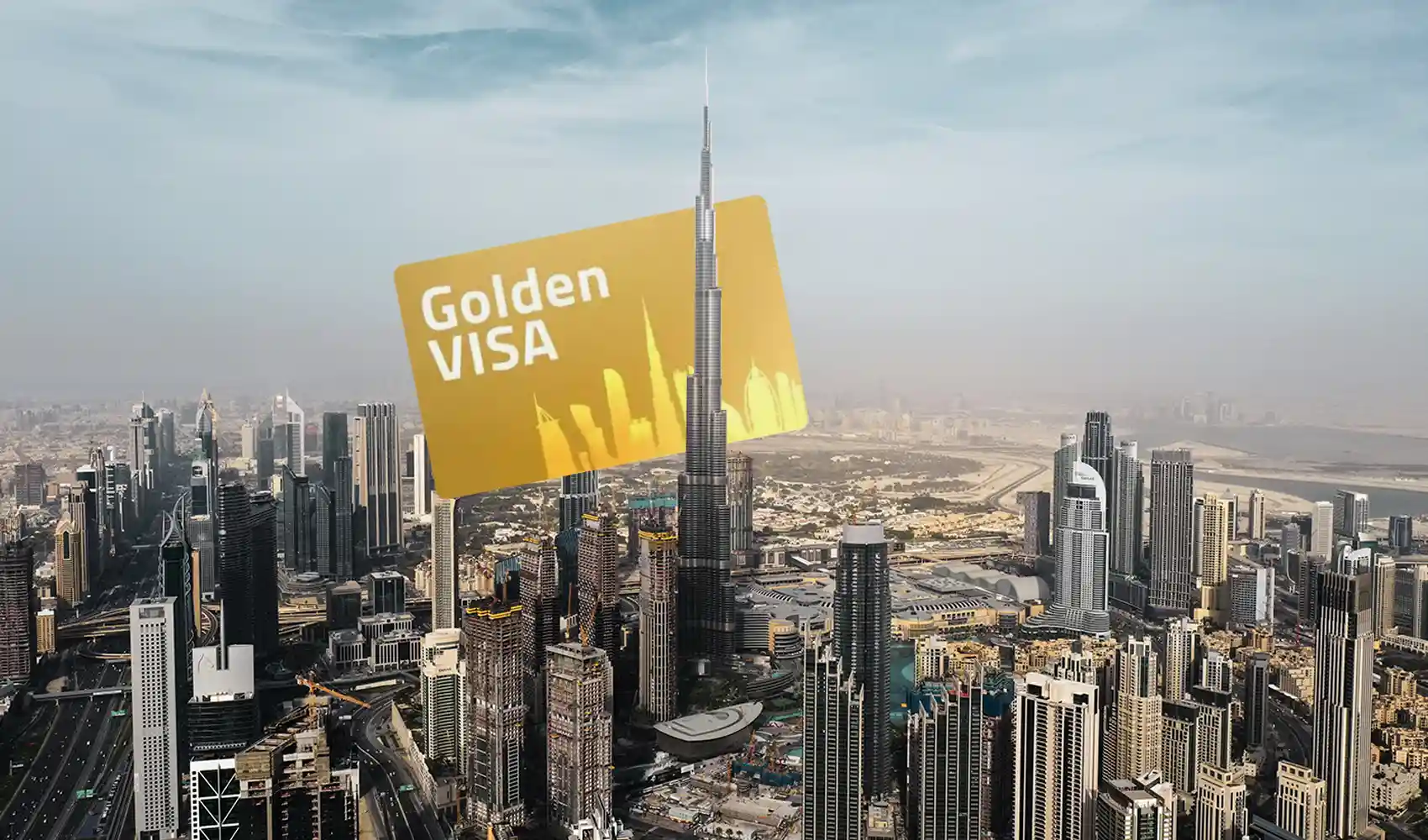
Golden Visa UAE property demand is expected to surge in 2025 as extensions to the residency program make long-term living in the Emirates more attractive to global investors. The UAE’s Golden Visa, originally introduced to attract wealthy individuals, skilled professionals, and entrepreneurs, provides long-term residency of 5 or 10 years. Recent policy updates and extensions are reshaping real estate trends, encouraging more buyers to invest in residential and commercial properties.
This surge in property demand reflects a broader strategy to position the UAE as a stable, investment-friendly, and cosmopolitan hub in the Middle East.
1. Increased appeal for international investors
Golden Visa extensions enhance the UAE’s attractiveness to wealthy global investors:
Security of long-term residency: Buyers gain confidence knowing they can live and work in the UAE for extended periods.
Ease of investment: Extended residency encourages investment in high-value properties without concern for visa expiration.
Family inclusion: Dependents benefit from long-term visas, prompting purchases of larger homes or multiple units.
This directly translates into increased demand for luxury apartments, villas, and high-end commercial properties.
2. Boost to luxury and high-end real estate
Extended Golden Visas encourage purchases in premium sectors:
Iconic locations: Palm Jumeirah, Downtown Dubai, Saadiyat Island, and Dubai Marina are seeing heightened interest.
Upsized homes: Investors purchase larger villas and luxury apartments for personal use or family relocation.
High-net-worth inflows: Wealthy individuals from Europe, Asia, and the Middle East seek properties that complement their residency benefits.
Luxury developers are increasingly marketing properties directly to Golden Visa holders, emphasizing lifestyle, prestige, and investment security.
3. Growth in long-term rental and off-plan markets
Golden Visa holders often plan to stay for several years, boosting:
Off-plan property sales: Developers see higher confidence in pre-completion purchases, knowing buyers have long-term residency.
Community-focused living: Gated communities, family-oriented neighborhoods, and serviced apartments become more attractive.
These trends strengthen both the residential and investment segments of the UAE property market.
4. Enhanced market stability and investor confidence
Golden Visa extensions signal a long-term commitment from the UAE government, which:
Reduces market volatility: Investors feel secure about holding properties for years rather than short-term speculation.
Encourages reinvestment: Existing property owners may upgrade or expand their holdings.
Attracts institutional investors: Companies and funds recognize the stability of the UAE’s real estate landscape.
Overall, these policies increase confidence among both domestic and international investors.
5. Spillover effects on commercial and mixed-use developments
Golden Visa holders also impact broader real estate trends:
Office and co-working spaces: Professionals relocating for long-term opportunities create demand for commercial leasing.
Retail and leisure sectors: High-net-worth residents increase spending in lifestyle, hospitality, and entertainment hubs.
Integrated communities: Developers focus on mixed-use projects combining residential, retail, and recreational facilities to appeal to long-term visa holders.
These developments contribute to vibrant, sustainable urban growth across Dubai, Abu Dhabi, and emerging emirates.
Challenges and considerations
While Golden Visa extensions stimulate property demand, there are considerations for investors and developers:
Affordability: Luxury and prime properties remain out of reach for mid-market buyers.
Regulatory compliance: Investors must adhere to residency, property ownership, and tax-related regulations.
Market saturation: High-end segments may face competition if oversupply occurs in popular areas.
Global economic factors: Currency fluctuations and geopolitical shifts can influence foreign buyer behavior.
Strategic planning and careful investment analysis remain essential to maximize returns.
Future outlook for 2025 and beyond
The Golden Visa program is expected to continue shaping UAE property demand in several ways:
Sustained foreign investment: Extended residency encourages consistent inflows from international buyers.
Growth in family-oriented housing: Villas and larger apartments see rising popularity.
Expansion of lifestyle-focused communities: Gated developments, smart city projects, and integrated facilities thrive.
Innovation in property offerings: Developers tailor homes to meet the lifestyle, security, and convenience expectations of long-term visa holders.
Market differentiation: Emirates positioning themselves as elite residential hubs attract niche segments of HNW individuals.
Overall, the Golden Visa program strengthens the UAE’s appeal as a long-term residential and investment destination.
Conclusion: Golden Visa extensions driving property growth
Golden Visa UAE property demand is poised for a substantial rise in 2025. By providing long-term residency, security, and family inclusion, the program encourages both domestic and international buyers to invest in luxury, residential, and commercial properties.
Developers, investors, and policymakers are benefiting from increased market stability, higher investor confidence, and growing demand for integrated lifestyle communities. As the UAE continues to refine its Golden Visa policies, property demand will likely remain robust, cementing the Emirates’ position as a premier global real estate hub.