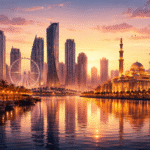
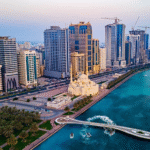
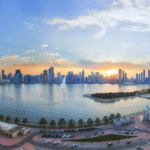
Dubai, one of the richest and most modern cities in the world, faced a severe infrastructure crisis recently when heavy rains led to unexpected flooding across key areas. Despite having invested billions in smart technology and futuristic development, the city was unable to prevent widespread damage caused by nature’s sudden force.
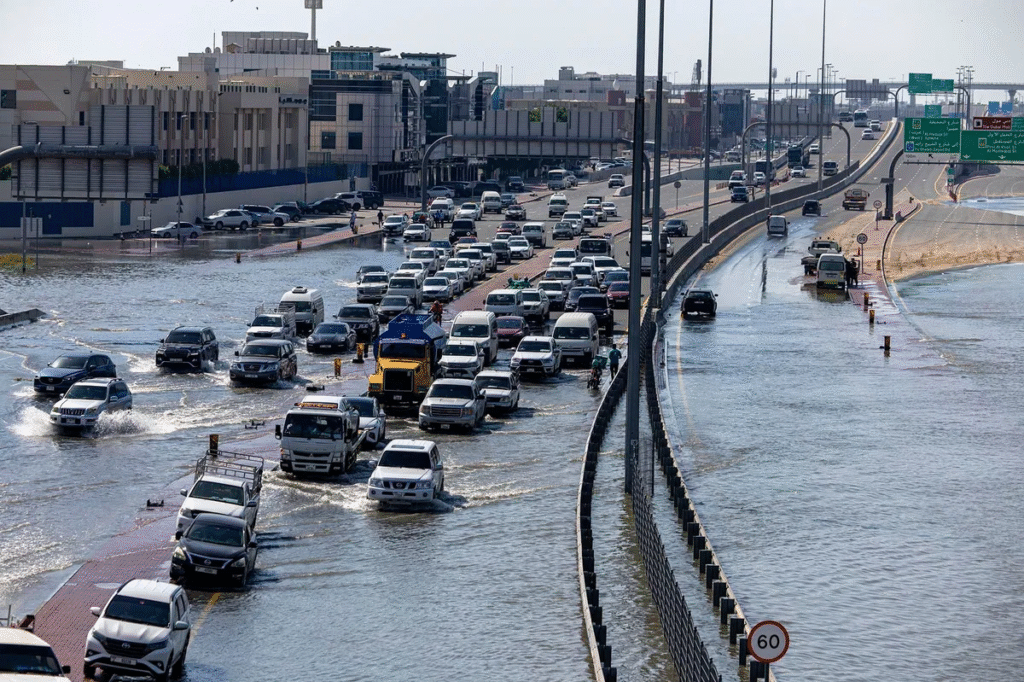
The April 2024 storm—the worst in nearly 75 years—unleashed over 142mm of rainfall in 24 hours, more than the city usually receives in a year. Streets turned into rivers, airports shut down, and homes and businesses were left submerged.
This disaster has raised serious questions: Is Dubai’s infrastructure really ready for climate change?
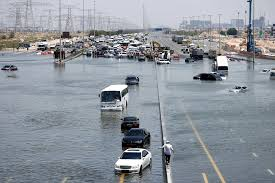
Dubai is known globally for its ultramodern skyscrapers, artificial islands, and high-tech transportation systems. However, the city’s drainage and floodwater management systems were not built to handle such intense rainfall.
Infrastructure experts and environmentalists are now saying what many had feared: Dubai was designed with dry desert conditions in mind. Its sewer systems are shallow and limited. There are not enough natural water channels, and urban expansion has reduced the amount of land where rainwater can naturally soak into the ground.
When the rain fell rapidly, there was simply nowhere for the water to go.
“Dubai’s stormwater infrastructure is outdated compared to its architectural advancements,” said Dr. Farid Al Marri, a UAE-based civil engineer. “The city has grown vertically and economically, but flood planning has not kept up.”
The flooding affected major areas like:
Dubai’s popular shopping malls and office towers were not spared either. Videos on social media showed water pouring through ceilings and escalators breaking down. Emergency services were overwhelmed, and many residents had to wade through waist-high water to reach safety.
For many Dubai residents, the floods were a nightmare. People were stuck in their homes or cars for hours. Power outages occurred in several communities. Food delivery, public transport, and even emergency healthcare services were disrupted.
Local businesses, especially small shops, faced huge losses due to water damage and forced closures. Insurers are still assessing claims, but early estimates suggest millions of dirhams in damages.
One shop owner in Karama, Mr. Sameer Ali, said, “In 15 years of living here, I’ve never seen anything like this. The rain didn’t just flood the streets—it flooded our confidence in the city’s preparedness.”
Dubai’s government responded quickly after the storm. Cleanup began within hours, and thousands of municipal workers were dispatched to pump out water and repair roads.
Dubai Municipality issued a statement admitting the infrastructure had been “overwhelmed by an extreme and rare weather event.” Authorities promised to review and upgrade the storm drainage system.
Key measures announced:
But critics say these changes should have been made years ago. A 2021 study by the UAE’s Ministry of Climate Change already warned of increasing rainfall and extreme weather. Yet, little was done to adapt.
Experts argue that what happened in Dubai is a warning sign for all fast-growing cities in arid regions.
As climate change leads to more extreme and unpredictable weather, traditional “desert city” designs may no longer be sustainable. Even cities like Riyadh, Doha, and Las Vegas could face similar problems unless they invest in resilient urban design.
According to the World Bank, the Middle East is one of the regions most vulnerable to climate-related disasters—despite contributing the least to global emissions.
“Dubai can lead the way by showing how even a desert city can adapt to future climate challenges,” said Dr. Leila Hassan, an environmental policy expert.
Urban planning experts suggest several changes Dubai must make urgently:
With Expo City and Vision 2040 on the horizon, Dubai has a chance to not only fix the damage but become a model for sustainable development in a warming world.
Dubai has always aimed for the skies—literally—with its iconic skyline. But the April 2024 floods have shown that even the most futuristic cities must pay attention to the basics.
Modern infrastructure is not just about skyscrapers and artificial islands—it’s about being prepared for the forces of nature.
As the city rebuilds, the world is watching to see whether Dubai can balance ambition with adaptation, and build not just higher—but stronger.
Read More:- “Tragedy in Dubai: Kerala Engineer Dies During Scuba Diving Trip”