Dubai is one of the world’s top destinations for business and investment. Its modern infrastructure — from world-class airports to cutting-edge digital networks — is a key reason why. Over the last few decades, Dubai has transformed itself from a small trading port to a global business hub. This transformation was driven by smart investments in transport, real estate, energy, and technology infrastructure, making Dubai a preferred location for international companies and investors.
Dubai’s transport infrastructure is among the best in the world. The city’s road network is modern and extensive, helping people and goods move efficiently. Sheikh Zayed Road, for example, is one of the busiest highways and connects key business districts to industrial and residential areas.
Dubai Metro, one of the world’s longest fully automated driverless metro systems, has made commuting easier for both workers and tourists. Its seamless links to buses and trams have reduced traffic and improved the city’s environmental performance.
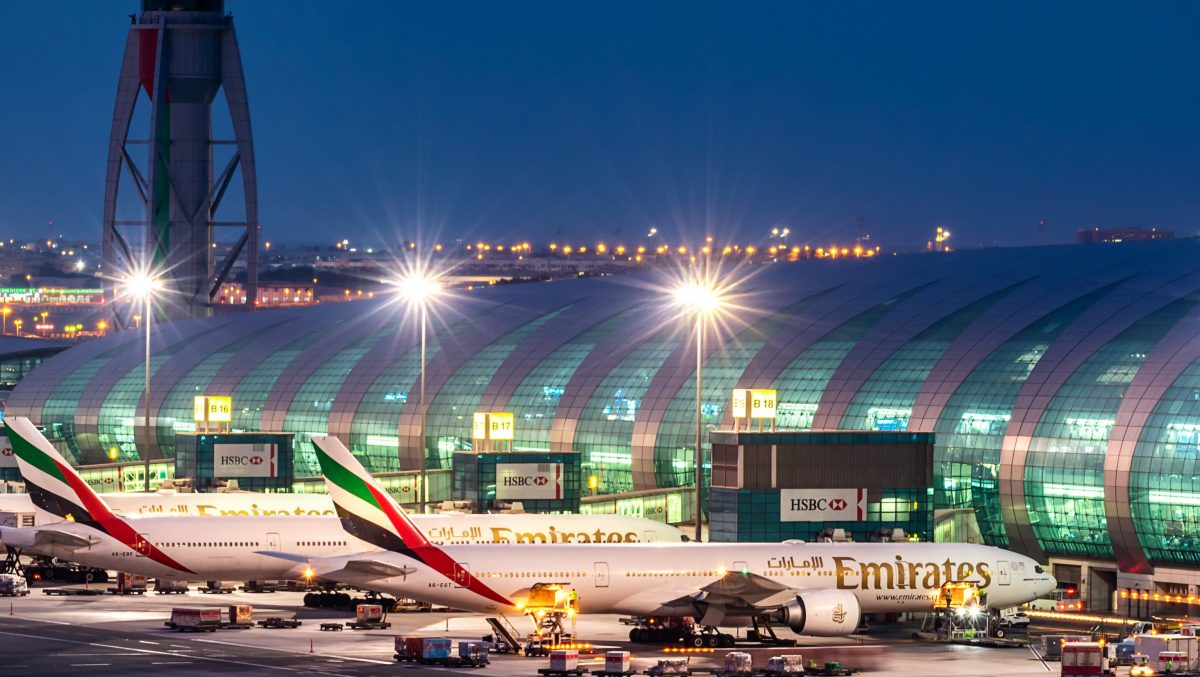
Dubai International Airport, one of the world’s busiest airports for international passengers, connects to more than 260 destinations globally. Meanwhile, Al Maktoum International Airport in Dubai South is expanding to handle 260 million passengers annually in the future. These airports make Dubai a true gateway between the East and the West, supporting business, tourism, and cargo.
Dubai’s leadership has invested heavily in becoming a “smart city.” High-speed internet, 5G networks, and advanced data centers support businesses of every size, from startups to multinational corporations. The Dubai Data Initiative, launched under the Smart Dubai strategy, aims to create an open data ecosystem to encourage innovation and growth.
Digital services in Dubai have also made setting up a business easier than ever. Through online portals, entrepreneurs can register companies, get licenses, and apply for visas in just a few clicks. This level of efficiency saves time and cuts red tape, giving Dubai a competitive edge over other global cities.
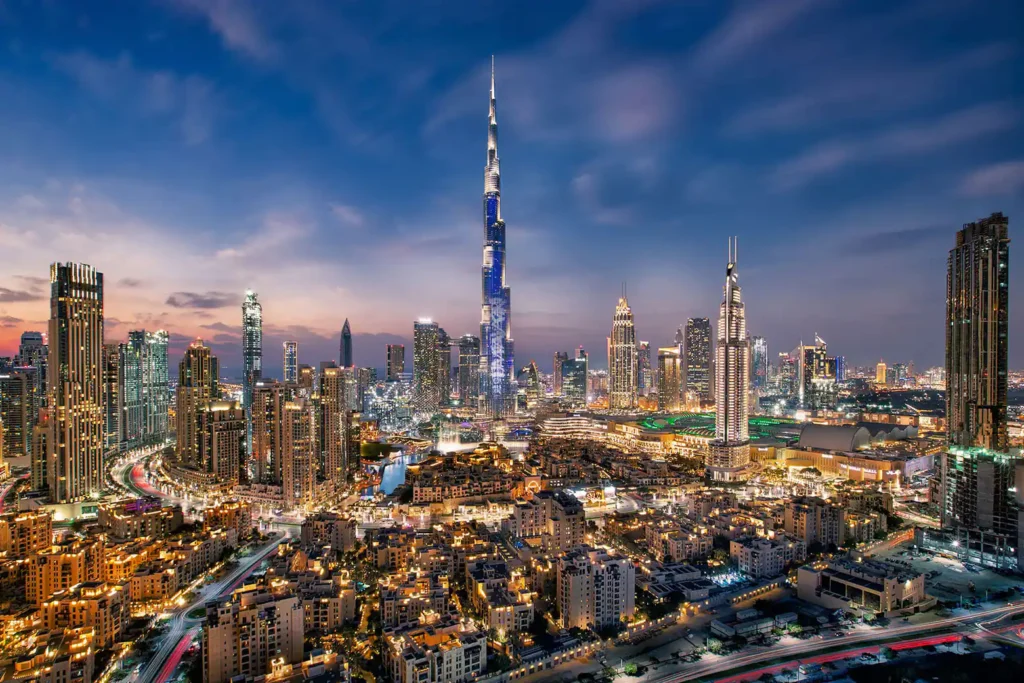
Dubai’s impressive skyline is more than just beautiful architecture — it is proof of a strong real estate and construction sector. From the iconic Burj Khalifa to the Dubai International Financial Centre (DIFC), the city offers premium office spaces with top-class facilities. These buildings meet international standards for safety, technology, and sustainability, attracting global businesses who want a modern workplace for their teams.
Additionally, Dubai offers special business zones like free zones and economic zones. These zones provide benefits such as 100% foreign ownership, tax exemptions, and simplified customs processes. For example, Jebel Ali Free Zone is home to over 9,500 companies and continues to attract industries ranging from logistics to technology.
Energy is vital to business operations, and Dubai has invested in reliable, sustainable energy solutions. Dubai Electricity and Water Authority (DEWA) has ensured stable power and water supplies with advanced infrastructure and smart grids. The city is also pushing toward renewable energy with projects like the Mohammed bin Rashid Al Maktoum Solar Park, one of the world’s largest solar power facilities.
These projects not only guarantee reliable utilities for businesses but also align with Dubai’s commitment to sustainability, which appeals to environmentally conscious investors.
Dubai’s location between Europe, Asia, and Africa makes it an ideal hub for trade and logistics. Businesses can easily access billions of consumers within a few hours by air. Dubai’s Jebel Ali Port, the largest man-made harbor in the world, is a vital part of global shipping networks, handling millions of containers every year.
With its strong connections by sea, air, and land, Dubai is perfectly positioned for international companies to serve regional and global markets.
Dubai’s government has worked hard to create a supportive business environment. Regulations are clear and transparent, making it easier for foreign investors to enter the market. Programs like Dubai Economic Agenda D33 aim to double the city’s economy over the next ten years and attract $27 billion in foreign investment.
Other initiatives, such as the Golden Visa program, allow skilled professionals, entrepreneurs, and investors to stay long-term, strengthening Dubai’s talent pool and business appeal.
Dubai’s population is highly diverse, with people from over 200 nationalities living and working in the city. This diversity has created a strong and skilled workforce, supporting businesses across many industries, including finance, technology, tourism, and logistics.
The city also has excellent education facilities, international schools, and universities, ensuring a continuous supply of talented professionals. Combined with a high quality of life, this makes Dubai a top choice for professionals and their families.
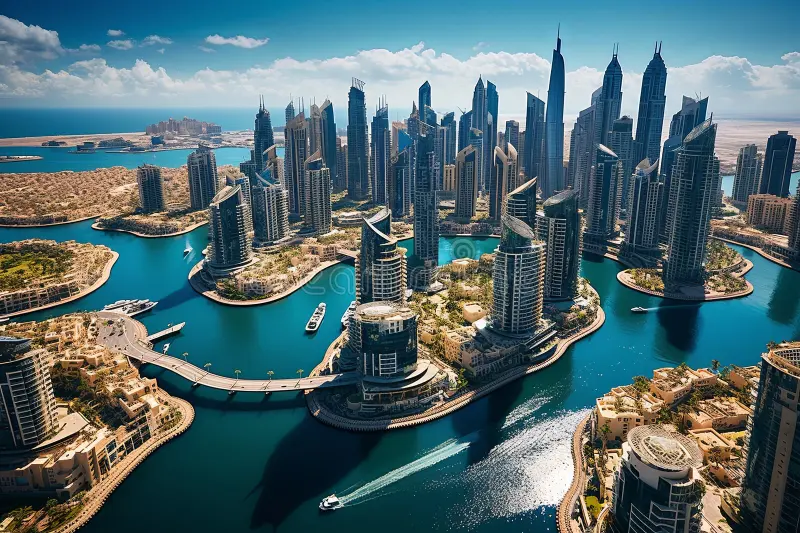
Dubai is not slowing down. With projects like the Expo City Dubai — the legacy of Expo 2020 — the city is creating new hubs for innovation, sustainability, and technology. Massive infrastructure investments are continuing, including expansions of airports, public transport, and green energy.
These ongoing developments will strengthen Dubai’s reputation as a future-ready business capital. As the world economy changes, Dubai’s world-class infrastructure will continue to make it a powerful magnet for global business.
From its futuristic airports to its smart city technology, Dubai’s infrastructure is a key reason why global businesses choose to operate here. The city has carefully built a reliable, advanced, and sustainable environment that supports growth and innovation. As Dubai continues to invest in its future, its infrastructure will remain the backbone of its success, keeping it firmly on the world business stage.
Read More:- Deyaar’s Latest Announcement Shakes Up the UAE Property Market