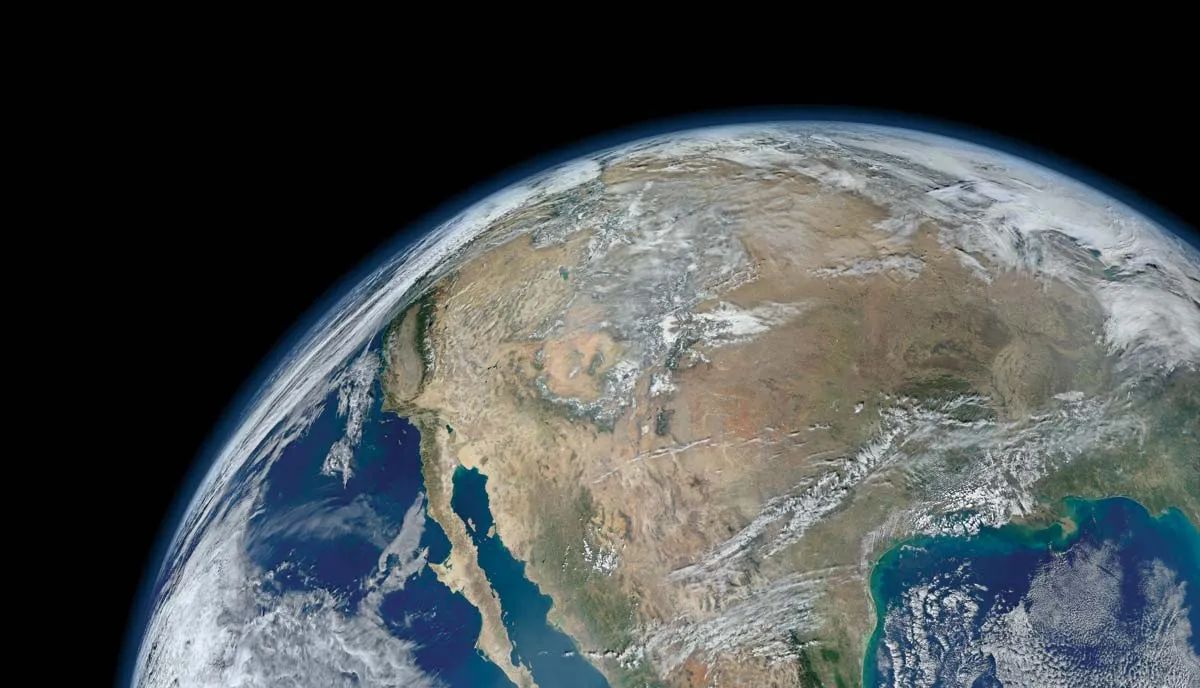
Water is life. Every drop we drink, every plant that grows, and every living creature on Earth depends on one crucial natural process — the water cycle. Also known as the hydrological cycle, the water cycle is nature’s way of continuously moving water through the atmosphere, land, and oceans.
Understanding why the water cycle is important can help us better protect our environment, preserve fresh water, and fight climate change. In this article, we break down how the water cycle works and why it is so vital for our survival.
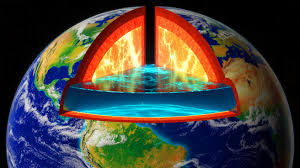
The water cycle is a natural process where water moves through different stages:
This process happens over and over, every single day, and it is unstoppable. Without it, life on Earth would simply collapse.
Water is essential for all living creatures. Plants, animals, and humans need water to survive. Thanks to the water cycle, fresh water is constantly renewed and distributed across the world. Rainfall brings water to plants and fills rivers that provide drinking water for people and animals.
Without this endless recycling of water, freshwater sources would dry up, and life as we know it would not exist.
The water cycle helps to control the temperature of the planet. When water evaporates, it absorbs heat from the surroundings, creating a cooling effect. This helps balance the temperature on land and in the oceans.
In the same way, clouds formed through condensation can block sunlight, keeping certain areas cooler. This natural temperature control is vital for making Earth livable.
Have you ever wondered why it rains in some places and not in others? The answer lies in the water cycle. As water evaporates and moves through the atmosphere, it forms clouds and influences weather patterns across the globe.
From gentle rain showers to powerful storms, the water cycle plays a key role in controlling the weather we experience every day.
By continuously moving water around the planet, the water cycle helps prevent dangerous extremes. Rainfall can relieve drought-stricken areas, while rivers and wetlands absorb floodwaters and spread them out more evenly.
This balancing act is crucial in protecting human settlements and natural habitats from severe damage.
Forests, wetlands, grasslands, and even deserts depend on the water cycle. Plants need water to grow, and animals rely on these plants for food and shelter. If the water cycle were disrupted, entire ecosystems could collapse, leading to loss of biodiversity and irreversible environmental harm.
Sadly, human activity is putting stress on this delicate cycle. Climate change, deforestation, and pollution all interfere with the natural movement of water. For example:
If we do not act responsibly, these changes could harm the water cycle so badly that it fails to support our needs.
Everyone can help keep the water cycle healthy. Here are some simple actions:
Conserve water: Use less water at home, and fix leaks quickly.
Plant more trees: Trees release water vapor through their leaves, supporting local rainfall.
Reduce pollution: Keep harmful chemicals out of rivers and lakes.
Support climate action: Reduce carbon emissions to slow climate change and protect rainfall patterns.
Small steps can make a big difference in protecting the water that sustains all life.
At its core, the water cycle is nature’s perfect recycling system. It provides clean water, supports food production, shapes our weather, and helps cool our planet. It is one of the most important natural processes on Earth — and one of the easiest to take for granted.
As we face growing threats like climate change and water scarcity, understanding and respecting the water cycle has never been more important. By learning how this amazing system works, we can all play a role in preserving it for future generations.
In the end, the water cycle reminds us of a simple but powerful truth: water connects us all. From the tiniest plant to the largest whale, everything depends on this beautiful, endless dance of water in motion. Protecting the water cycle means protecting life itself.
Read More:- Shobha Realty Launches Its Most Luxurious Project Yet—Full Details Inside 2025