Water is life. But have you ever thought about how water travels through the planet to keep that life going? The water cycle, also called the hydrological cycle, is a powerful and continuous natural process. It moves water through the earth’s atmosphere, land, and oceans. Most people learn about the water cycle in school — evaporation, condensation, precipitation, and collection. But there is much more to this cycle than meets the eye.
Beyond keeping rivers flowing and crops alive, the water cycle has incredible hidden benefits that many people never realize. Let’s explore how this silent cycle works behind the scenes to protect our environment, support our health, and even fight climate change.
One amazing benefit of the water cycle is that it naturally cleans our water. When water evaporates from rivers, lakes, or oceans, it leaves behind impurities like salts, heavy metals, and harmful pollutants. This means the water vapor that forms clouds is relatively pure.
When it later falls back to Earth as rain, it provides fresh water to the land. This natural purification process helps maintain the quality of freshwater supplies around the world, reducing the load on expensive man-made water treatment systems. In many rural and remote places, rainfall is the cleanest and most important source of drinking water.
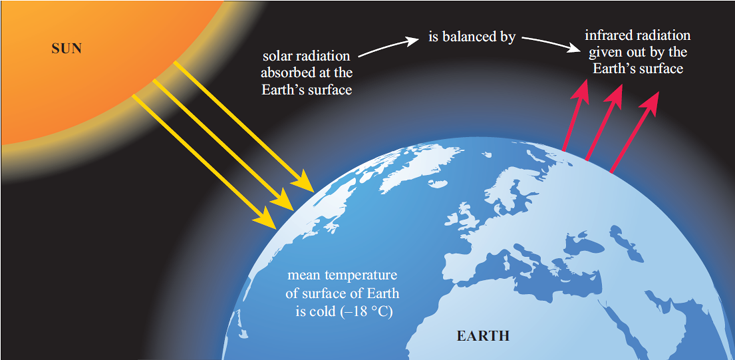
The water cycle acts like a massive air conditioner for the planet. When water evaporates, it absorbs heat energy from the surroundings, which cools the land or water surface. Later, when water vapor condenses into clouds, it releases that stored energy into the atmosphere, which helps drive global weather patterns.
This energy transfer smooths out temperature swings around the globe, making extreme weather less harsh and supporting stable climates. Without the water cycle’s temperature-balancing effect, life on Earth would be far more difficult.
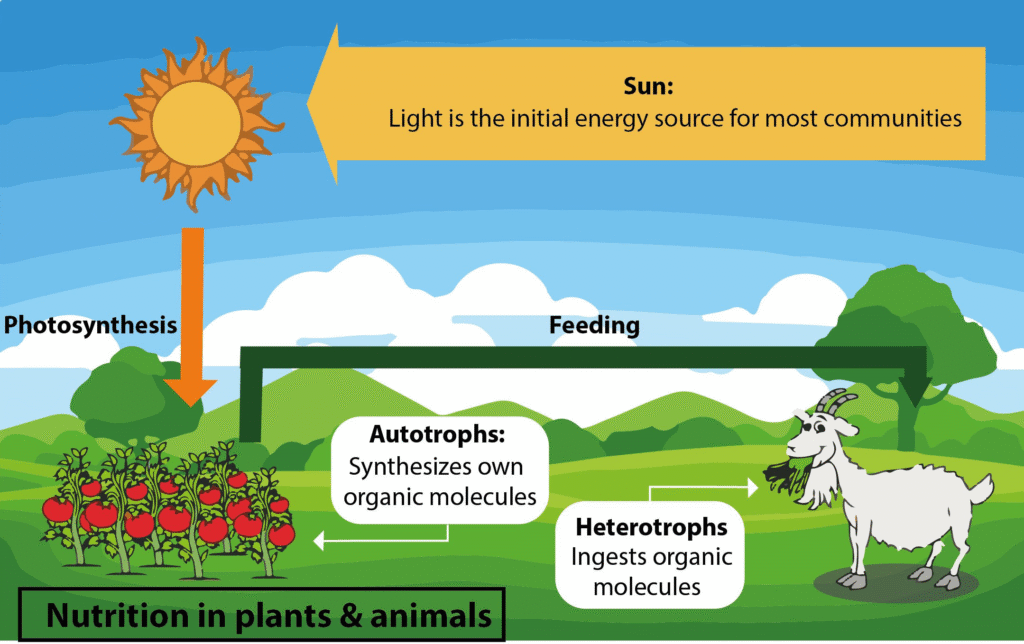
We often think of rain as a bother, but without it, plants could not survive. The water cycle delivers fresh water to the soil, feeding crops, forests, and grasslands. From towering rainforests to desert oases, every ecosystem depends on rainfall.
When plants absorb rainwater through their roots, they use it for photosynthesis — the process of making food from sunlight. That same water then moves through the food chain to animals and humans. In other words, the water cycle is the silent partner in keeping the entire web of life functioning.
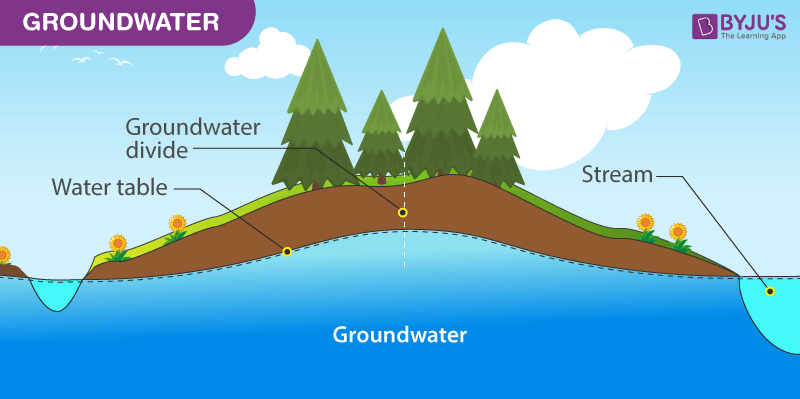
A lesser-known benefit of the water cycle is its role in refilling underground aquifers. When rainwater seeps into the ground, it replenishes underground reserves of fresh water. These aquifers supply wells and springs, which are critical water sources for millions of people.
Groundwater recharge through rainfall also helps prevent land from sinking, a problem called land subsidence, which can happen if too much underground water is pumped out. Thanks to the water cycle, these precious underground reserves can be restored naturally, ensuring long-term water security.

Did you know rain helps clean the air? As water vapor condenses into raindrops, it captures dust, pollen, and other tiny particles floating in the air. When the rain falls, it carries those pollutants down to the ground, giving us cleaner air to breathe.
In urban areas with lots of traffic and industrial pollution, rainfall can be a valuable natural air purifier. This is especially important for people with asthma or other respiratory conditions.
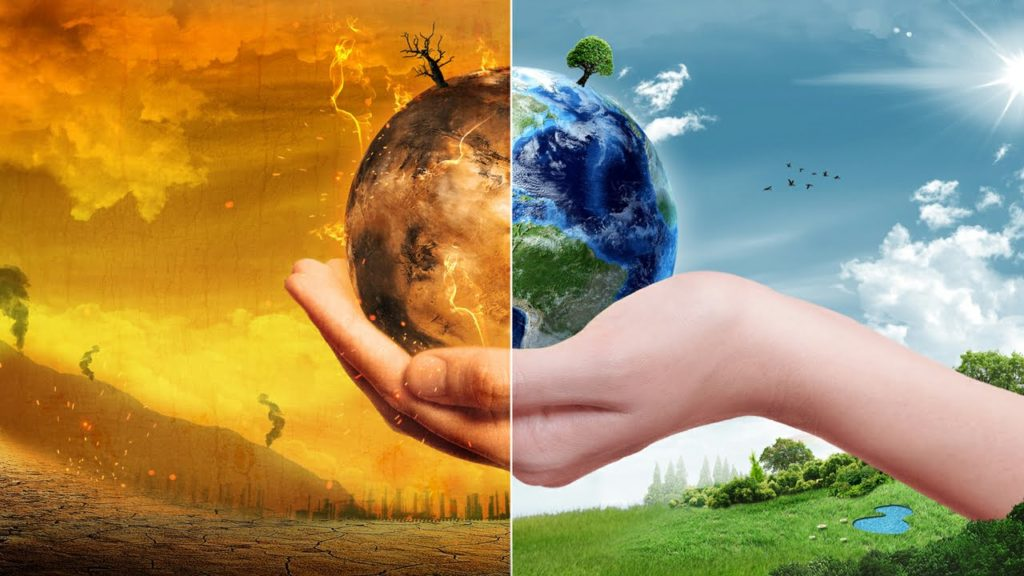
The water cycle is also an unsung hero in the fight against climate change. As water evaporates from oceans and forests, it forms clouds that can reflect sunlight back into space, helping to cool the planet.
Additionally, healthy rainfall patterns support thriving forests, which absorb carbon dioxide — the major greenhouse gas driving climate change. In this way, the water cycle and healthy ecosystems work together to stabilize Earth’s climate.
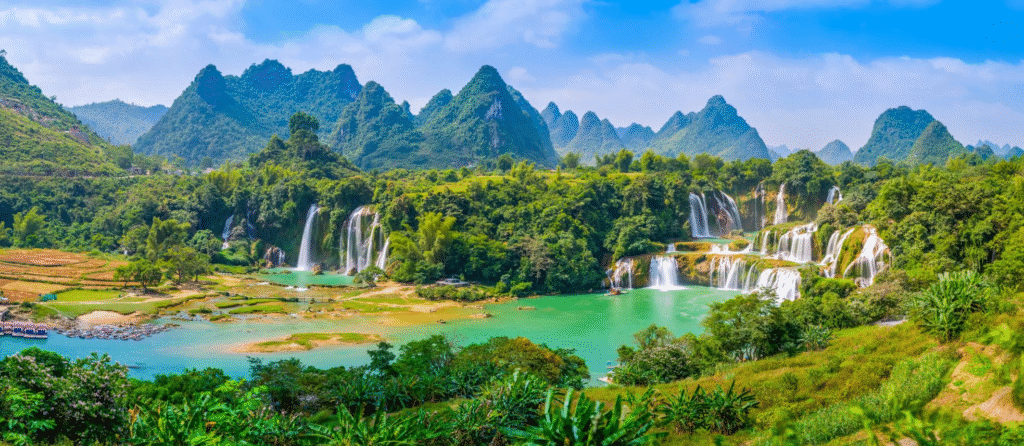
Think of the power of waterfalls, rivers, lakes, and even glaciers — all of these are sculpted by the water cycle. Over time, flowing water shapes mountains, valleys, and coastlines. These landscapes not only provide habitats for wildlife but also attract tourism, supporting local economies.
From the Grand Canyon to the Amazon River, many of the world’s most spectacular natural wonders exist thanks to the water cycle’s never-ending work.
Throughout history, water has held deep spiritual and cultural importance. Many cultures see rain as a blessing or a sign of hope. Rivers and lakes feature in countless legends and rituals. The water cycle makes these powerful cultural traditions possible by constantly renewing water sources.
In modern times, water still connects people, whether it’s through community rainwater harvesting projects or protecting sacred rivers. The water cycle is a reminder that humans and nature are tied together in countless ways.
The water cycle is far more than a science lesson for schoolchildren. It is a powerful, complex system that supports nearly every aspect of life on Earth — from providing fresh drinking water to controlling our climate. Many of these benefits work quietly behind the scenes, so we don’t always notice them.
As climate change, pollution, and overuse of resources threaten water supplies, understanding and respecting the water cycle is more important than ever. Protecting wetlands, forests, and rivers will help keep the water cycle healthy, ensuring that these hidden benefits continue to support us and future generations.
The next time you see rain or hear about a river flooding its banks, remember that you are witnessing a vital part of nature’s greatest recycling program — a cycle that gives us clean water, healthy food, breathable air, and a stable planet. Truly, the water cycle is one of Earth’s quiet heroes.
Read More:- Deyaar’s Latest Announcement Shakes Up the UAE Property Market