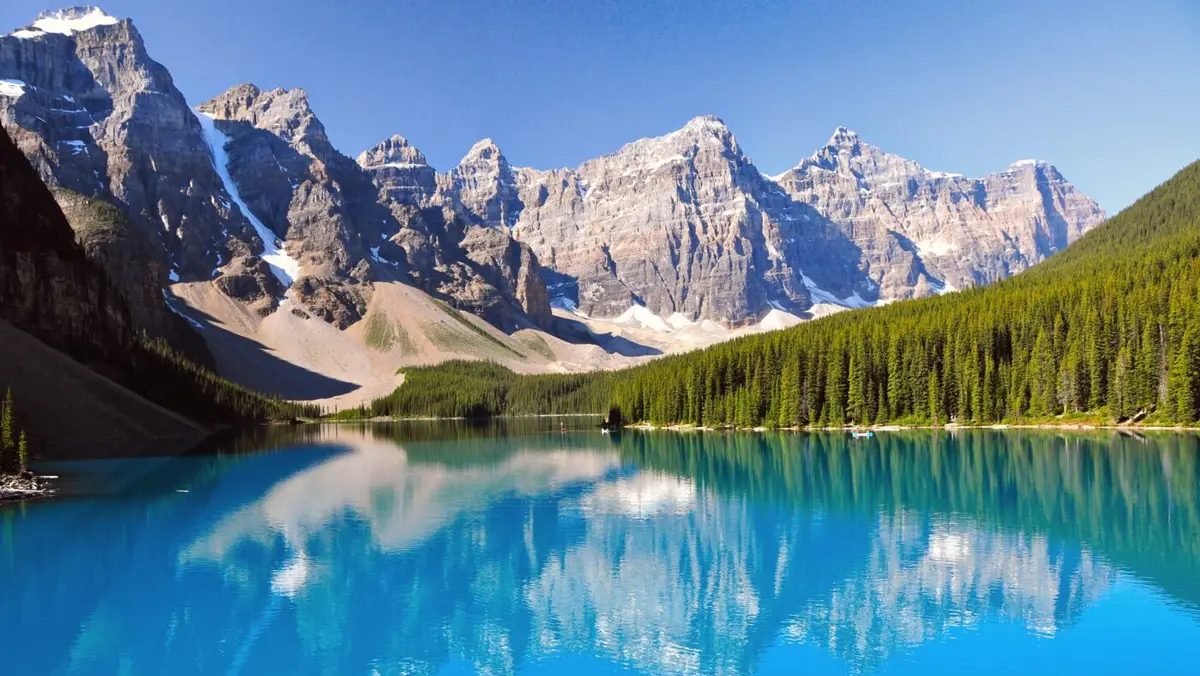
Freshwater is vital for life on Earth, yet only about 2.5% of the world’s total water is freshwater. Even worse, much of that is locked in glaciers or deep underground, making it difficult to use. As a result, the small amount of freshwater we can access is under serious pressure from growing populations, pollution, and climate change. Understanding the water cycle is essential to see how freshwater is renewed — and why we must protect it.
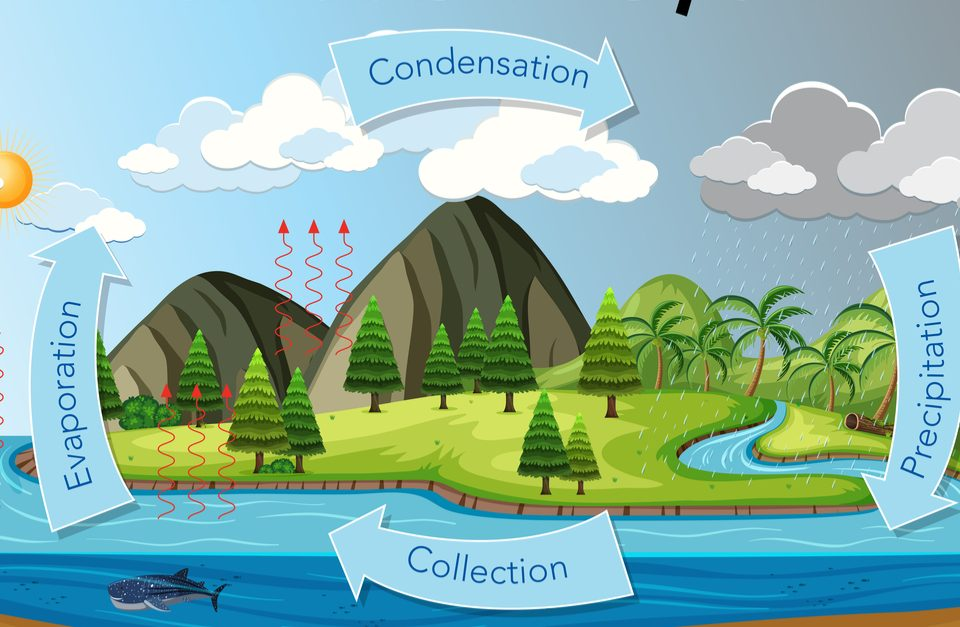
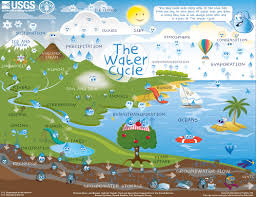
The water cycle, also called the hydrologic cycle, describes how water moves continuously through the environment. It begins when the sun heats water in rivers, lakes, and oceans, causing it to evaporate into the air. Plants also release water vapor through a process called transpiration.
This water vapor rises, cools, and condenses into clouds. When the clouds get heavy enough, they release water back to the ground as precipitation — rain, snow, or hail. Some of this water runs off into rivers and lakes, while some seeps into the ground to become groundwater. Finally, it returns to oceans and lakes, and the cycle starts again.
This natural system is powerful, but it is also delicate. The water cycle is the only way that freshwater is naturally renewed on our planet. If this cycle is disrupted, it can directly affect our drinking water, food security, and even the survival of many species.
While water covers around 71% of the Earth’s surface, the vast majority is salty ocean water that humans cannot drink or use for farming. Less than 1% of all water on Earth is accessible freshwater — that includes rivers, lakes, and shallow underground sources.
Today, more than two billion people already live in areas facing water scarcity. According to the United Nations, nearly half of the world’s population could experience severe water stress by 2030 if current trends continue. That makes protecting and managing freshwater one of the most urgent global challenges.
One of the biggest threats to freshwater availability is climate change. Warmer temperatures can cause faster evaporation, which reduces water in rivers and lakes. At the same time, shifting rainfall patterns mean some areas get too much rain, leading to floods, while others suffer from drought.
Climate change is also melting glaciers and ice caps that store vast amounts of freshwater. While this might seem like a new source of water, it is actually a long-term threat. Once glaciers shrink beyond a certain point, they will no longer release meltwater into rivers during dry seasons, leaving people and ecosystems without water when they need it most.
Humans have greatly changed the water cycle through activities like deforestation, building cities, and overusing groundwater. When forests are cut down, less water evaporates through transpiration, disrupting local rainfall. Cities replace soil with concrete, preventing rainwater from soaking into the ground and refilling aquifers.
At the same time, industries and farms often take more groundwater than nature can replace, leading to groundwater depletion. In some areas, underground water levels have dropped so low that wells run dry. Rivers are also being overused and polluted by chemicals, sewage, and plastics, putting both humans and wildlife at risk.
While the situation is challenging, there are solutions to protect freshwater and maintain a healthy water cycle. Here are some key steps:
Water Conservation: Using less water at home, in industry, and in agriculture is the fastest way to reduce stress on freshwater sources.
Better Infrastructure: Fixing leaks in water pipes and improving wastewater treatment can save billions of liters of clean water.
Restoring Ecosystems: Protecting forests, wetlands, and river basins helps keep the water cycle working naturally.
Climate Action: Reducing greenhouse gas emissions will slow down climate change, protecting glaciers and stabilizing rainfall patterns.
Education and Awareness: People need to understand where their water comes from and how to use it responsibly.
Governments, businesses, and individuals all have a role to play. It is not just about avoiding water shortages — it is about protecting our health, food systems, and the planet’s future.
Water is the foundation of human civilization. We use it to grow food, generate energy, keep ourselves clean, and sustain life itself. Without reliable freshwater, societies can collapse. Conflicts over water resources are already increasing in many parts of the world.
By respecting the water cycle and caring for our freshwater sources, we help protect not only the environment but also our own future. Even small changes — like fixing household leaks, planting trees, or supporting water-friendly policies — can make a difference.
The water cycle is one of Earth’s most powerful natural systems, and it provides us with the precious freshwater we depend on every day. However, human activities and climate change are putting that system under great stress.
If we do not act, more people will face drought, food shortages, and even conflicts over water. But if we learn to manage and conserve freshwater wisely, there is hope for a sustainable future.
Clean, safe water is a human right — and protecting it should be everyone’s priority.
Read More:- Deyaar’s Latest Announcement Shakes Up the UAE Property Market