Forests are often called the lungs of our planet. They clean our air, store carbon, and provide homes for countless species. But there is another critical role forests play that many people overlook: protecting and regulating the water cycle. Healthy forests are essential to maintaining clean water supplies, reducing floods, and even supporting rainfall patterns. If we lose our forests, we also put our water at serious risk.
Today, scientists, environmental groups, and communities are speaking up about why protecting forests is a matter of protecting our water. Let’s explore how healthy forests and the water cycle are connected — and why this matters more than ever in a world facing climate change and growing water shortages.
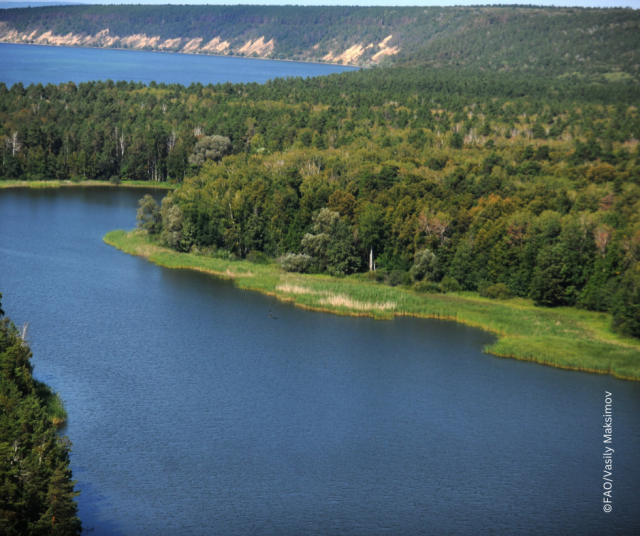
Think of forests as giant sponges. When it rains, trees, plants, and the forest floor absorb water, slowing down how quickly it reaches rivers, lakes, or underground aquifers. This is incredibly important because it reduces the risk of dangerous floods during storms. Instead of water rushing away, the forest holds it, filters it, and slowly releases it over time.
Tree roots also play a key role. They help keep soil stable, preventing erosion and landslides that can clog waterways with mud and debris. Clean water begins with healthy soil, and forests protect that soil.
In addition, forests help recharge groundwater — the underground reservoirs that supply drinking water to millions of people. By letting water soak into the ground gradually, forests keep those groundwater reserves full and healthy.
Forests do more than manage water on the ground — they also influence the atmosphere. Trees release water vapor through a process called transpiration, which is when plants breathe out water during photosynthesis. This water vapor rises into the air, helping form clouds and eventually returning to the ground as rainfall.
In large forest regions like the Amazon rainforest or India’s Western Ghats, this process is crucial. Scientists have shown that forests can even “create” rain by recycling moisture in the air, supporting rainfall patterns for areas far beyond their own boundaries. If we lose those forests, rainfall may become less predictable, harming crops and communities.
Deforestation — cutting down forests — disrupts this delicate water cycle. When trees are removed, water runs off the land too quickly, causing floods. There are fewer roots to hold the soil in place, so rivers fill with silt and pollutants. Groundwater reserves do not recharge as easily, leading to water shortages over time.
In places like Indonesia, Brazil, or the Congo Basin, rapid deforestation has already created severe water problems. Rivers that once flowed steadily now experience sudden floods or dry up completely during droughts.
On a global scale, losing forests could also disrupt weather systems, making both droughts and floods worse. Forest loss is not just an environmental issue — it is a threat to human survival.
The good news is that protecting and restoring forests can fix these problems. Reforestation, which means planting new trees, helps rebuild nature’s water-managing system. Trees can quickly stabilize soil, rebuild groundwater, and help bring back healthy rainfall cycles.
Many countries are launching forest restoration programs to help fight climate change and water scarcity at the same time. For example, India’s Green India Mission aims to improve forest cover and protect water resources, while Brazil is trying to restore parts of the Amazon after years of damage.
Climate change makes this link between forests and the water cycle even more important. As temperatures rise, droughts become longer and rainfall patterns change. Healthy forests can act as a shield, storing water and helping keep the land cooler. But if we continue to lose forests, climate change will hit us even harder, with less water to go around.
That is why scientists warn that forest protection is a top priority in tackling climate change. When we lose forests, we lose a powerful ally in fighting back against global warming.
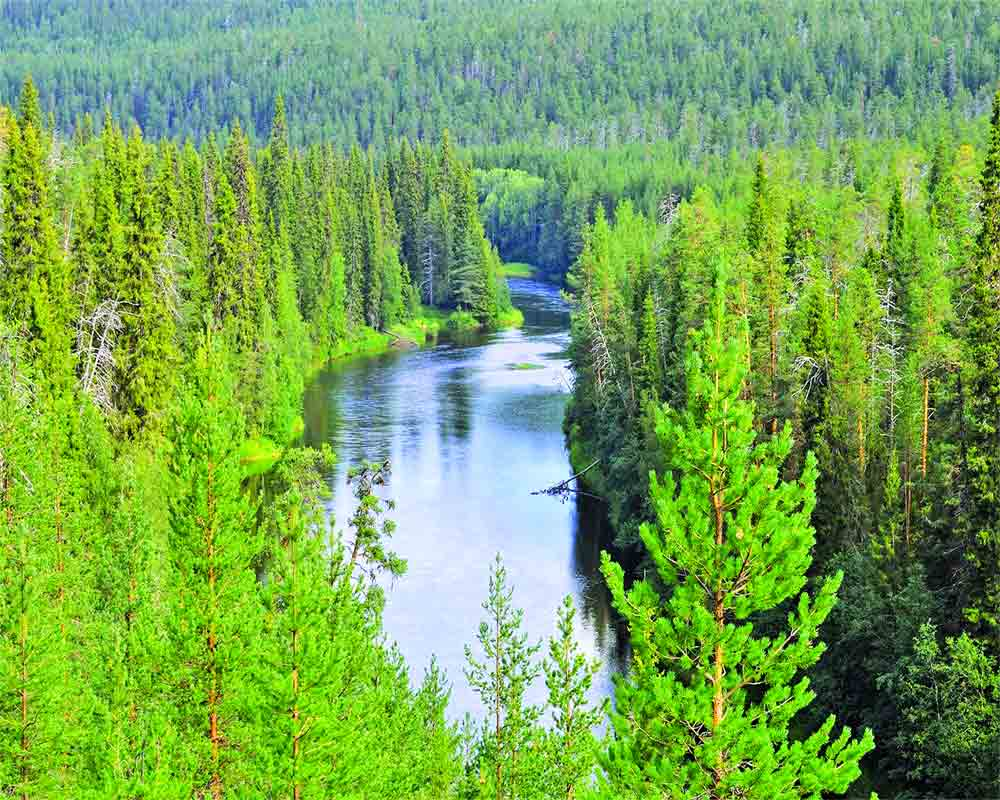
Protecting forests is not just a job for governments and scientists — everyone can help. Here are a few simple steps you can take:
Support organizations that protect or restore forests.
Reduce paper and wood consumption.
Avoid products linked to deforestation, such as palm oil from unsustainable sources.
Plant native trees in your community.
Talk to others about the importance of forests and water.
When people work together, they can make a huge difference. Communities around the world are already seeing the benefits of protecting their forests — cleaner rivers, fewer floods, and healthier lives.
Forests and water are deeply connected. A healthy forest supports a healthy water cycle, keeping rivers flowing, groundwater recharged, and rain falling when it is needed. Losing forests, on the other hand, means losing clean water, risking floods, and facing more severe droughts.
As climate change grows worse and water becomes more precious, saving our forests is one of the smartest moves we can make. From individuals to entire nations, it is time to see forest protection not just as an environmental task, but as a critical way to secure water for our future.
Read More:- Deyaar’s Latest Announcement Shakes Up the UAE Property Market