
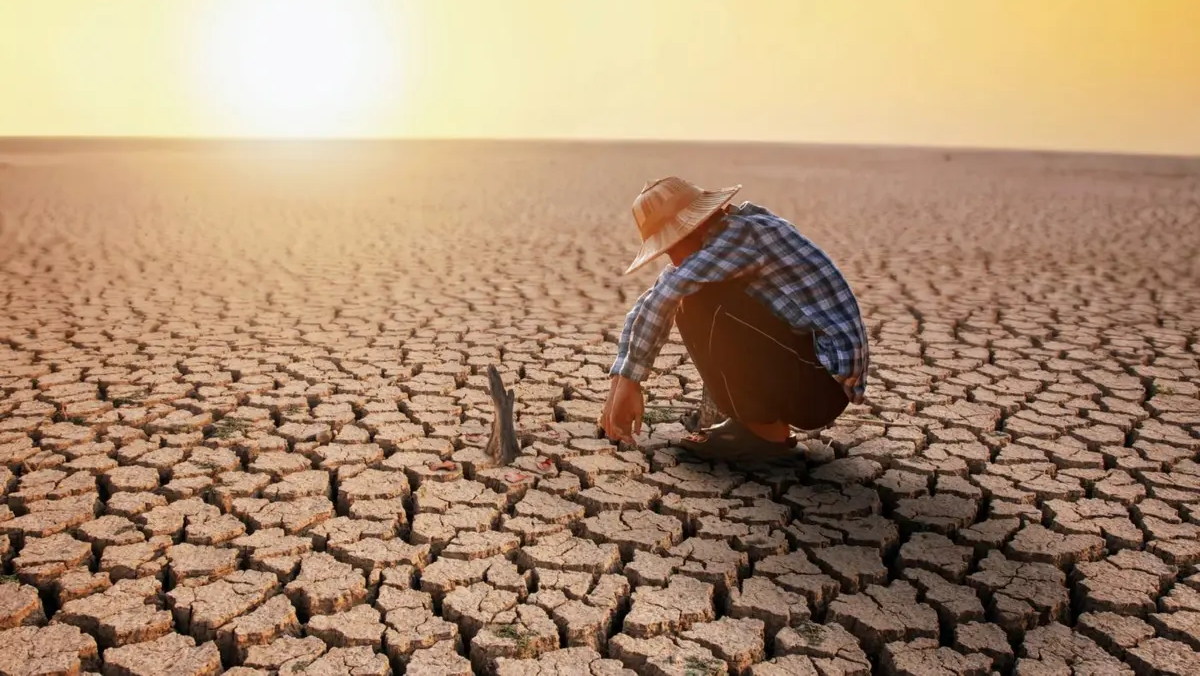
Water is life. Yet, every year, people around the world suffer from deadly droughts, threatening food security, harming wildlife, and disrupting communities. But nature has a built-in system that helps protect us from these disasters: the water cycle. Understanding how the water cycle works can show us how it helps keep droughts away — and why protecting it is more important than ever.
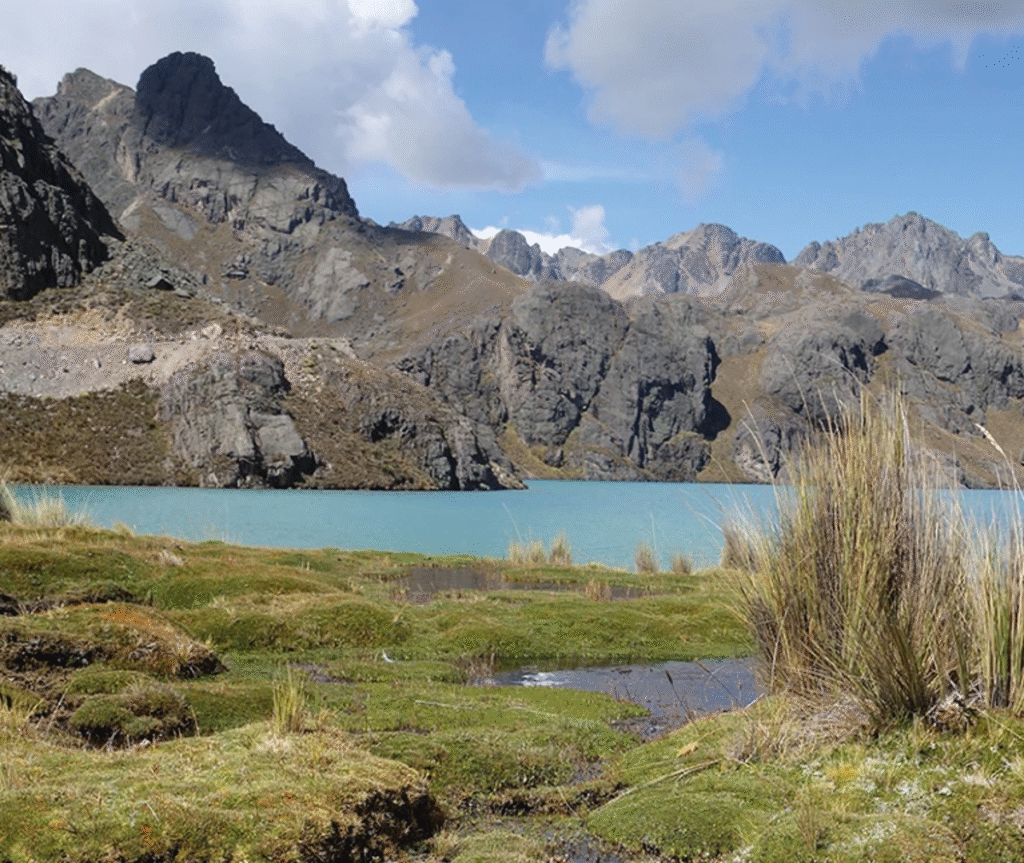
The water cycle is the natural movement of water across the Earth and its atmosphere. It works through key processes: evaporation, condensation, precipitation, and collection. Here’s how it flows:
This endless cycle keeps water circulating, ensuring that moisture reaches every corner of the planet.
When the water cycle is balanced, it helps distribute rainwater where it is needed most, reducing the chances of long dry spells. Here are some key ways it fights drought:
Spreading Rainfall More Evenly
The water cycle carries moisture from oceans to land, where it falls as rain. This prevents some areas from becoming too dry for too long.
Recharging Groundwater
Precipitation helps refill underground water reserves known as aquifers. These reserves are vital for drinking water and farming during dry times.
Supporting Soil Moisture
Rainfall maintains moisture in the soil, which keeps plants healthy and prevents crops from failing.
Feeding Rivers and Lakes
Rainfall and melted snow keep rivers and lakes full. These water bodies are essential sources of fresh water for humans, animals, and plants.
While the water cycle has protected us for millions of years, it is now facing major challenges. Human activities, such as deforestation, urban expansion, and climate change, are disrupting it.
Deforestation means fewer trees to release water vapor into the air through a process called transpiration. Without trees, less moisture goes into the atmosphere, which can lead to fewer rain clouds and more drought.
Urban growth replaces green areas with concrete, which stops rainwater from soaking into the ground. This reduces groundwater recharge and increases the risk of drought.
Climate change is making weather patterns more extreme and unpredictable. Some places get too much rain at once, leading to floods, while others get no rain for months, creating severe droughts.
To make sure the water cycle can keep preventing droughts, we must take care of it. Here’s how:
Protect Forests and Wetlands
Forests and wetlands are natural water managers. They help release moisture into the air and store rainwater in the ground.
Use Water Wisely
Every drop counts. Fixing leaks, reducing water waste, and choosing drought-resistant plants can help ease pressure on the water cycle.
Plan Smart Cities
Green spaces, rain gardens, and permeable pavements allow rainwater to seep back into the ground instead of being lost as runoff.
Act on Climate Change
Cutting greenhouse gas emissions will help stabilize weather patterns, so the water cycle can keep working properly.
The water cycle belongs to all of us. It does not stop at borders, and neither should our efforts to protect it. Countries must work together to manage shared rivers and lakes, restore forests, and reduce carbon emissions. Local communities can join by planting trees, conserving water, and raising awareness about how the water cycle supports life.
If the water cycle is badly disrupted, droughts will become more frequent and more intense. Farms will suffer, food prices will rise, and people may be forced to leave their homes in search of water. Conflicts over scarce water could grow.
That is why it is so important to protect the water cycle. It is nature’s best defense against drought — a free, powerful system that has worked for millions of years.
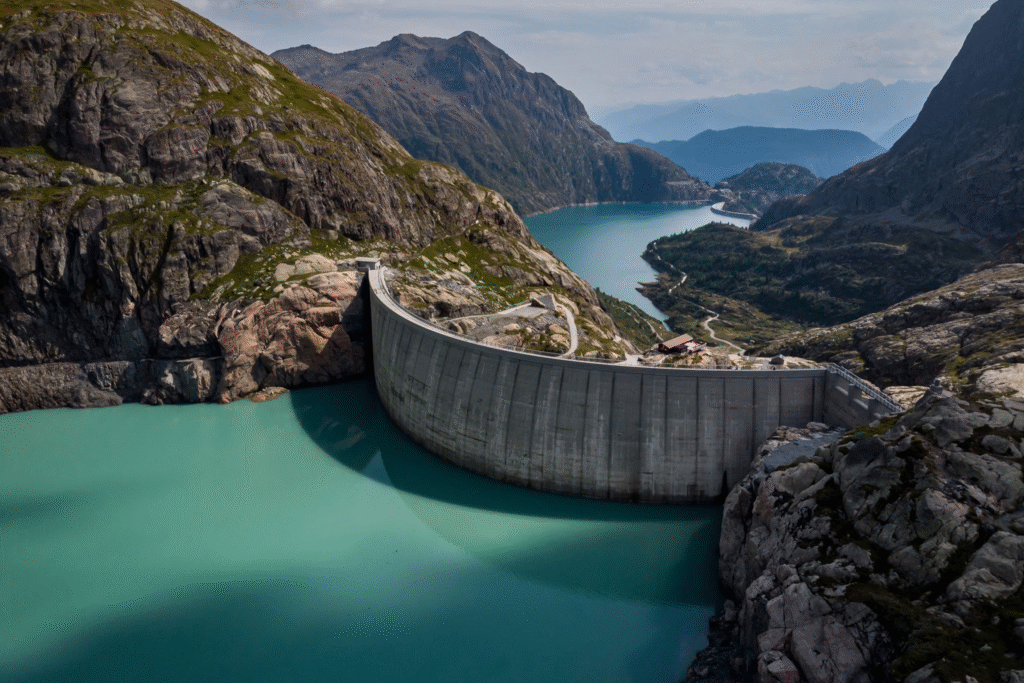
Scientists around the world are studying how to better support the water cycle. From planting more trees to restoring wetlands and reducing emissions, there are many solutions within reach. Technology can also help, with better weather forecasts and smarter irrigation systems that waste less water.
But in the end, nature knows best. Supporting the water cycle is the smartest and simplest way to prevent droughts. When we respect the balance of water in the environment, we protect ourselves, our families, and future generations from the dangers of drought.
The water cycle is a quiet hero in our fight against drought. It moves water around the planet, making sure that rain falls, rivers flow, and groundwater stays full. As climate change and human actions threaten this precious cycle, we must work together to keep it healthy. By caring for forests, using water wisely, and acting on climate change, we can help the water cycle do what it does best — safeguard our world from drought.
Read More:- Deyaar’s Latest Announcement Shakes Up the UAE Property Market