
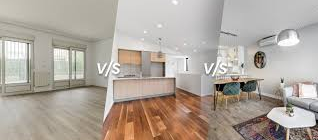
Renting a home is one of the biggest decisions for anyone moving to a new city or shifting within the same area. One major question that comes up during this process is whether to choose a furnished or unfurnished home. Each option has its own benefits and drawbacks, and what suits one renter might not be ideal for another.
Let’s explore the key differences, advantages, and disadvantages of both choices to help you make the best decision for your lifestyle and budget.
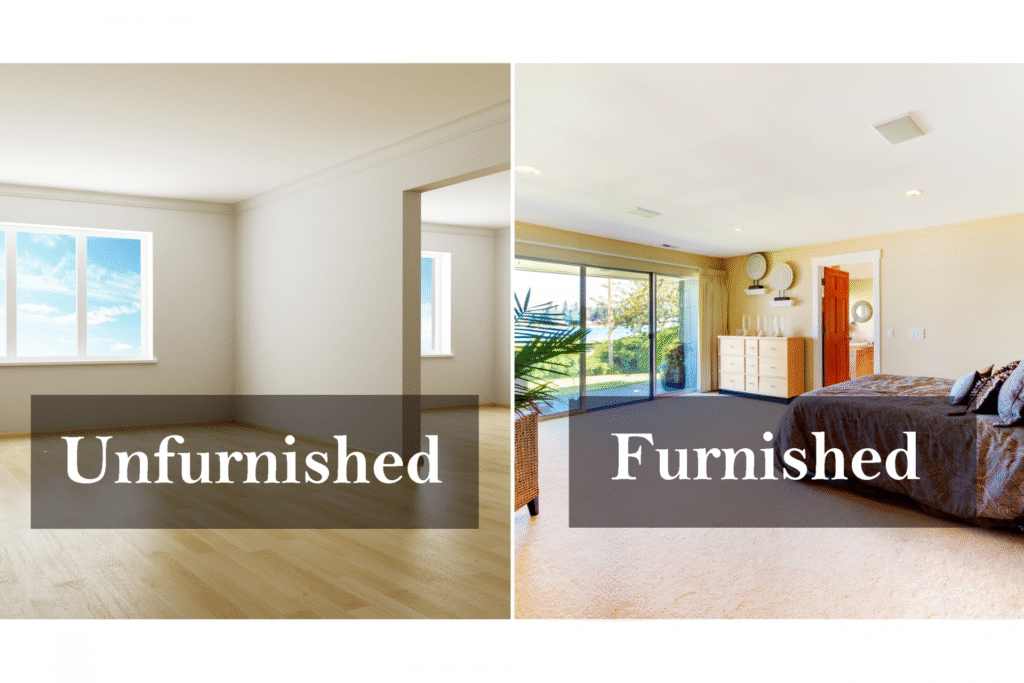
A furnished home typically comes with essential furniture and appliances. This can include a bed, sofa, dining table, chairs, wardrobes, fridge, microwave, washing machine, and even kitchenware in some cases. There are different levels of furnishing: fully furnished, semi-furnished, and serviced apartments. The more complete the furnishing, the higher the rent tends to be.
An unfurnished home is generally a bare property. It might only include basic fixtures like lights, ceiling fans, kitchen cabinets, or sometimes even just an empty space with no appliances. Renters need to bring or buy all their furniture and equipment. While this might mean more effort upfront, it also allows more freedom to decorate the space as they wish.
1. Convenience and Time-Saving
Furnished homes are ideal for people who want to move in quickly without the hassle of buying furniture. They’re perfect for expats, students, or professionals who plan to stay short-term.
2. Lower Upfront Costs
You don’t need to invest in beds, sofas, or appliances. This can be a big saving, especially for those who don’t have existing furniture or are relocating from abroad.
3. Ideal for Temporary Stays
If you’re only planning to stay in the city for a few months or a year, a furnished rental allows you to live comfortably without long-term commitments.
1. Higher Monthly Rent
Furnished properties generally cost more than unfurnished ones. The added rent covers the cost of furniture, maintenance, and wear and tear over time.
2. Limited Personalization
You may not be able to decorate or arrange the home as freely as you would like. Some landlords may also restrict the use of certain items.
3. Security Deposits May Be Higher
Since the landlord has to protect their furniture, security deposits are often higher in furnished homes.
1. Lower Monthly Rent
Unfurnished homes are usually more affordable month-to-month. You are not paying extra for the furniture or appliances.
2. Personal Touch and Flexibility
You can set up your home exactly the way you like it. This is great for families or long-term renters who want to make the space their own.
3. Long-Term Cost Benefits
While you may spend more upfront buying furniture, it becomes your asset and can move with you in the future. Over time, this can be more cost-effective than paying higher rent.
1. Higher Initial Setup Costs
Buying furniture, appliances, and other home essentials can be costly. This can be a big hurdle for someone starting fresh or moving on a tight budget.
2. Time and Effort to Furnish
You’ll need to spend time shopping, arranging delivery, and setting everything up. This can delay your move-in process.
3. Harder to Move Again
Once you have your furniture, moving homes becomes more challenging and expensive. It may also limit your flexibility if you need to relocate quickly.
The decision between a furnished and unfurnished rental depends on several personal factors, including:
1. Duration of Stay
Short-term renters often prefer furnished homes. Long-term renters may benefit from the investment in their own furniture and the freedom to personalize the space.
2. Budget and Financial Plans
If you have a higher monthly budget but no money for initial furniture, a furnished unit may work better. If you’re planning for the long term and can invest upfront, unfurnished homes make more financial sense.
3. Lifestyle and Needs
Professionals who travel often, digital nomads, or students may find furnished homes more suitable. Families or people settling down in a city may prefer the control and stability of an unfurnished home.
4. Availability in Your Area
Sometimes the market decides for you. In some cities or neighborhoods, there may be more unfurnished homes available, or vice versa.
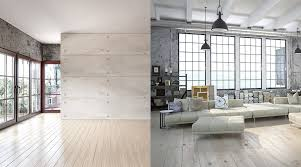
In the UAE, especially in cities like Dubai and Abu Dhabi, there is a strong market for both furnished and unfurnished homes. Areas close to business hubs and tourist centers often have more furnished apartments, aimed at expats and short-term residents. On the other hand, residential communities popular with families tend to offer more unfurnished villas and townhouses.
Rental platforms and property agents also allow you to filter based on your preference, making it easier to find the right fit.
There is no one-size-fits-all answer to the furnished vs unfurnished home debate. Each option has its pros and cons, and the right choice depends on your situation. Take time to consider your priorities — your lifestyle, length of stay, flexibility, and financial plans.
Before signing a lease, make sure to ask about what exactly is included, the condition of the furniture if furnished, and the rules about making changes to the space. Always inspect the home before moving in and read the rental agreement carefully.
Read More:- Why Smaller Lawns Are Smarter: Save Water and Money Fast 2025