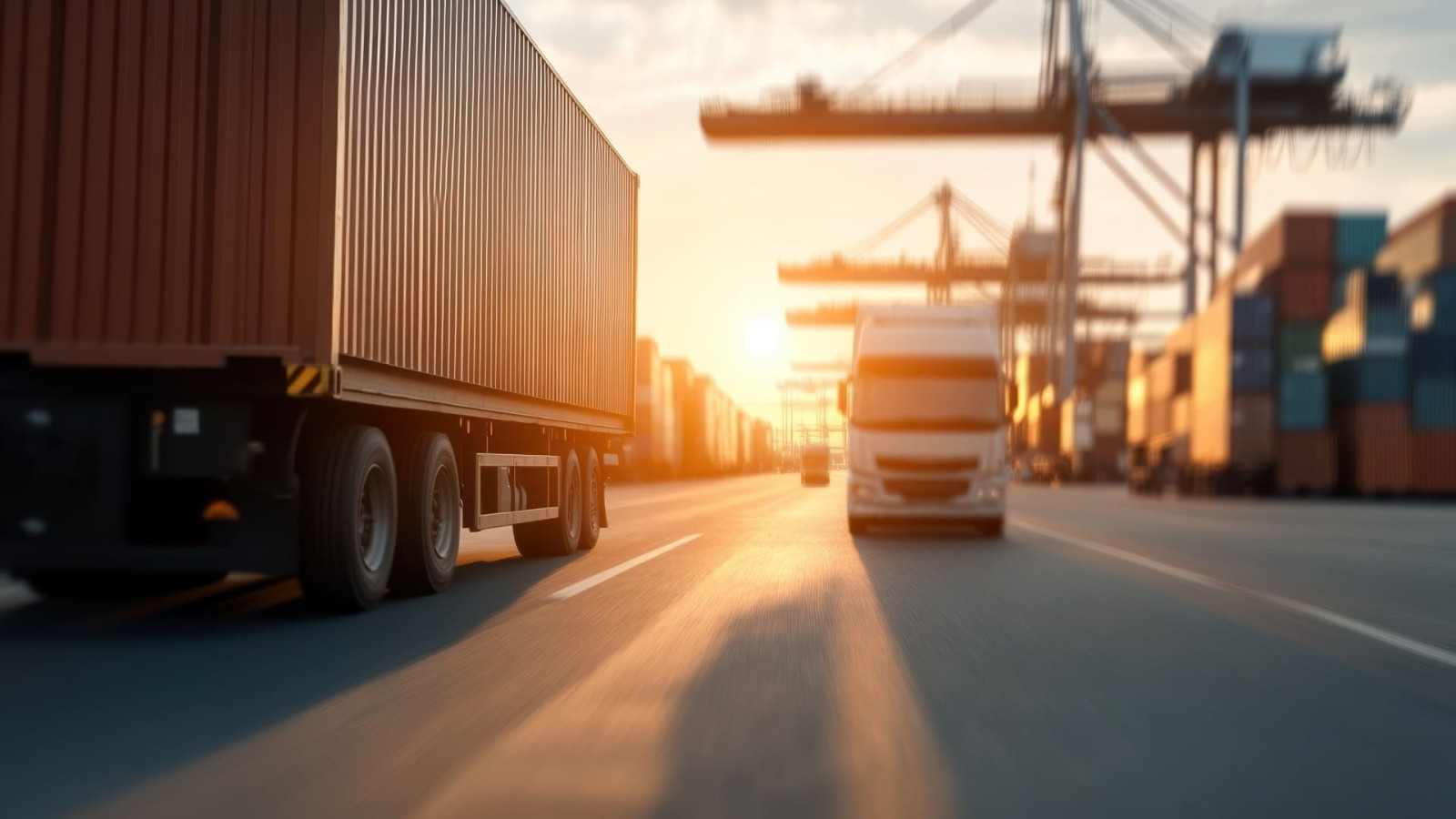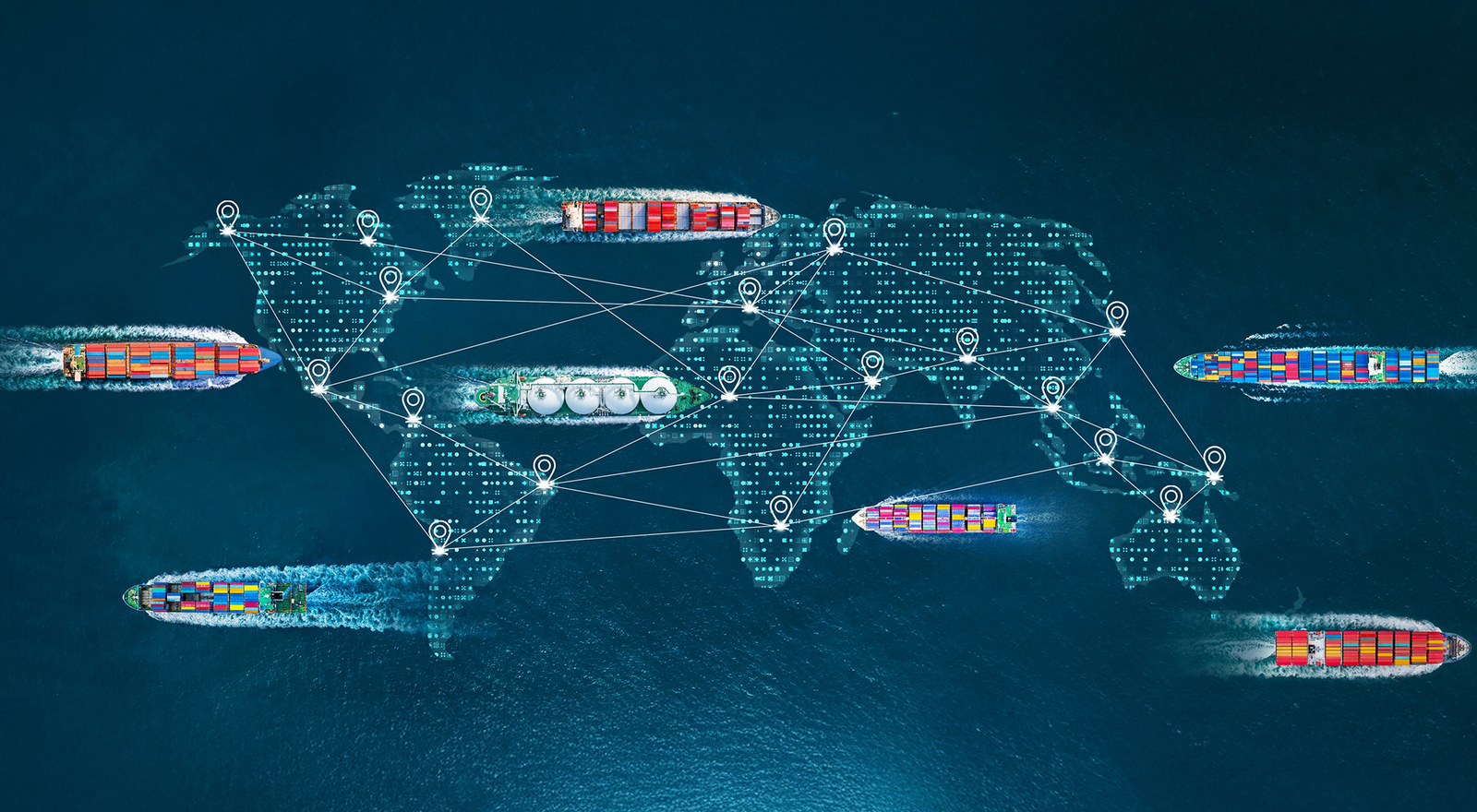
International trade is the exchange of goods, services, and resources across countries. It has become the backbone of the global economy, allowing nations to access products they do not produce themselves. From electronics in Japan to spices in India, trade connects businesses and consumers worldwide.
In simple terms, international trade is about buying and selling beyond national borders. It helps countries benefit from their unique strengths. For example, a country rich in oil can export it to nations that lack energy resources. At the same time, it can import technology, machinery, or other essentials.
International trade drives economic growth. By opening up foreign markets, countries can sell more goods, earn foreign currency, and create jobs. Trade also encourages competition, which can lower prices and improve product quality.
Experts believe that nations involved in international trade grow faster than those that rely only on domestic markets. For businesses, trade opens doors to new customers and revenue streams. For consumers, it brings variety, better quality, and affordable prices.
Global trade is not just about countries; companies play a major role too. Multinational corporations like Apple, Samsung, and Toyota rely heavily on international trade. They source materials globally and sell products worldwide.
International organizations such as the World Trade Organization (WTO) regulate trade rules. The WTO ensures fair practices, resolves disputes, and reduces trade barriers between nations. Other organizations, including the International Monetary Fund (IMF) and World Bank, also influence trade by providing funding and policy guidance.
Trade agreements between countries simplify the exchange of goods. They reduce taxes, tariffs, and other restrictions that make trade expensive. Famous agreements include the North American Free Trade Agreement (NAFTA), now USMCA, and the European Union’s single market.
Such agreements help businesses expand internationally and create jobs. Consumers benefit from lower prices and a wider variety of goods. However, trade agreements can also create challenges, such as competition for local businesses or concerns about labor and environmental standards.
Despite its benefits, international trade has challenges. Fluctuating currency rates, political conflicts, and trade wars can affect global markets. For instance, if two major trading partners impose tariffs, the cost of goods rises, impacting both businesses and consumers.
Logistics is another hurdle. Shipping goods across oceans requires careful planning, infrastructure, and time. Delays can disrupt supply chains and affect industries worldwide. Moreover, environmental concerns are rising, as increased trade can lead to higher carbon emissions and resource depletion.

Technology is reshaping international trade. Digital platforms, e-commerce, and logistics software allow businesses to sell globally without a physical presence. Blockchain ensures secure and transparent transactions, reducing fraud in trade processes.
Automation in shipping and warehousing makes trade faster and more efficient. Artificial intelligence predicts demand trends, helping companies produce and ship goods more strategically. Overall, technology is making international trade more accessible and cost-effective for both large and small businesses.
Experts believe that international trade will continue to grow, especially in emerging markets. Countries in Asia, Africa, and Latin America are becoming major players in global supply chains. Sustainability will be a key focus, with green logistics and eco-friendly production gaining importance.
Businesses that understand global trade trends can gain a competitive advantage. They can explore new markets, adopt innovative technologies, and respond faster to changing consumer needs. For nations, promoting trade policies that encourage investment, infrastructure development, and fair practices will be essential for long-term economic growth.
International trade is more than just exchanging goods; it’s a driver of global growth, innovation, and collaboration. While challenges exist, technology, trade agreements, and strategic policies make trade an opportunity for businesses and consumers alike. As the world becomes more interconnected, understanding and participating in international trade will remain vital for economic success.
Read More:- Shobha Realty Launches Its Most Luxurious Project Yet—Full Details Inside 2025