Etihad Rail property values are becoming one of the hottest topics in the UAE real estate market in 2025. With the nationwide railway network making rapid progress, experts say properties located near Etihad Rail stations could see a value increase of up to 15% in the coming years. For homeowners, investors, and developers, this presents a major opportunity as infrastructure reshapes the property landscape across the Emirates.
Etihad Rail is one of the most ambitious infrastructure projects in the Middle East. Designed to connect all seven emirates with a modern, high-speed railway, the project will link urban hubs, industrial zones, and ports. Once fully operational, it will stretch over 1,200 kilometers and become a backbone for both passenger and freight transport.
For residents, Etihad Rail means faster, more sustainable travel. For businesses, it enhances logistics and trade efficiency. But for the real estate sector, the project’s biggest impact will be on property demand and pricing. Studies worldwide show that properties near major transport hubs tend to appreciate faster than those in less connected areas, and Etihad Rail is expected to follow the same pattern.
Several factors explain why Etihad Rail property values are likely to see strong growth:
Real estate agents in Abu Dhabi, Dubai, Sharjah, and Fujairah already report growing buyer interest in areas expected to host or be near Etihad Rail stations.
The Etihad Rail property values trend isn’t unique to the UAE. Global case studies show similar effects:
These examples suggest that UAE homeowners and investors can expect similar gains as Etihad Rail nears completion.
Not every neighborhood will see the same level of growth. Analysts expect Etihad Rail property values to rise fastest in:
For landlords, the Etihad Rail property values story isn’t just about resale. Rental yields are also expected to climb. Tenants increasingly prioritize accessibility, and with train travel cutting commute times between emirates, rental demand near stations will likely surge.
Dubai and Abu Dhabi already see healthy rental yields averaging 6–8% annually. With Etihad Rail, properties in Sharjah, Ajman, and Ras Al Khaimah could catch up, making them more attractive for long-term investors.
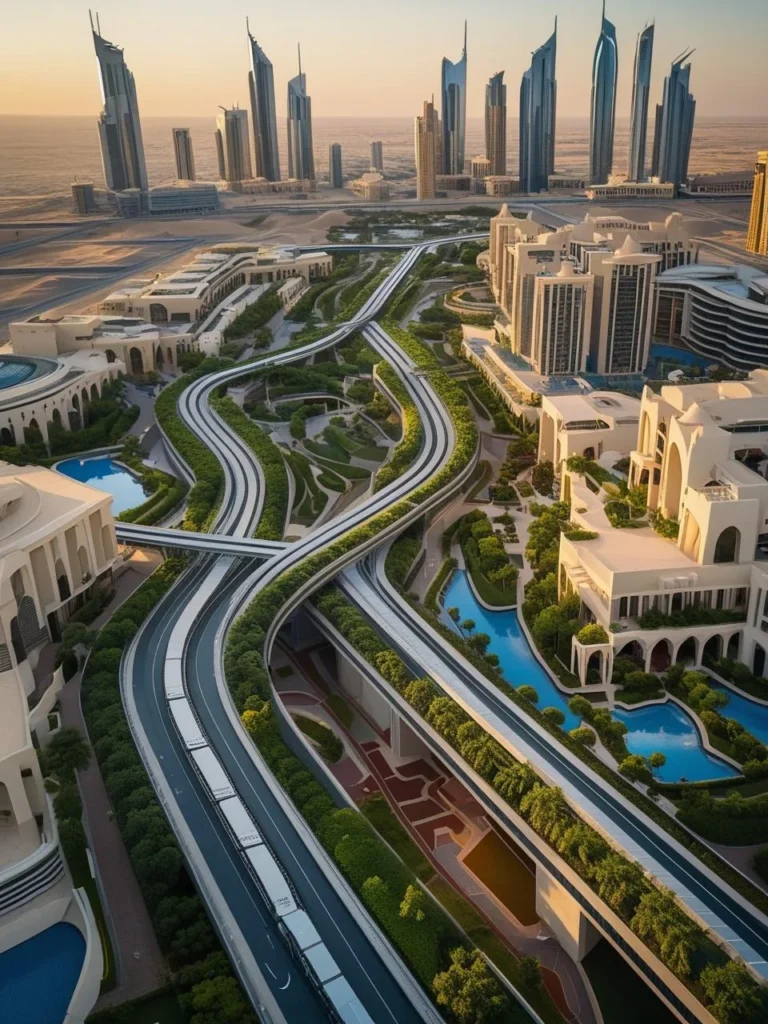
Recognizing the value of proximity, several developers are planning or already marketing communities near projected Etihad Rail stations. These branded as “transit-oriented developments” (TODs) are designed to maximize the lifestyle and convenience of rail access. Expect to see more mixed-use projects, high-rise apartments, and gated communities targeting professionals who will commute via rail.
While the outlook is overwhelmingly positive, investors should also consider potential risks:
Still, most analysts agree that long-term gains outweigh short-term risks, especially given the UAE’s track record of delivering mega-projects.
The Etihad Rail property values boom is not just about pricing—it could reshape the entire market. By connecting emirates seamlessly, it will distribute demand more evenly, reduce pressure on Dubai and Abu Dhabi, and unlock new growth corridors in northern emirates.
In the next decade, buyers might no longer prioritize being in central Dubai or Abu Dhabi but instead focus on affordability and lifestyle in outlying areas, knowing they can commute quickly via rail.
Etihad Rail property values are poised for significant growth, with experts projecting up to 15% gains for homes near stations. This surge reflects a global trend where transport infrastructure drives real estate appreciation.
For homeowners, this means higher asset values. For investors, it signals a strong opportunity for rental and resale gains. And for developers, it’s a chance to launch innovative communities centered around connectivity.
As the UAE continues to transform into one of the world’s most connected nations, Etihad Rail stands as a powerful catalyst not just for trade and travel but for the future of real estate.
Do follow us : Instagram
Read More-Dubai Prime Residential Growth Leads Global Market 2025