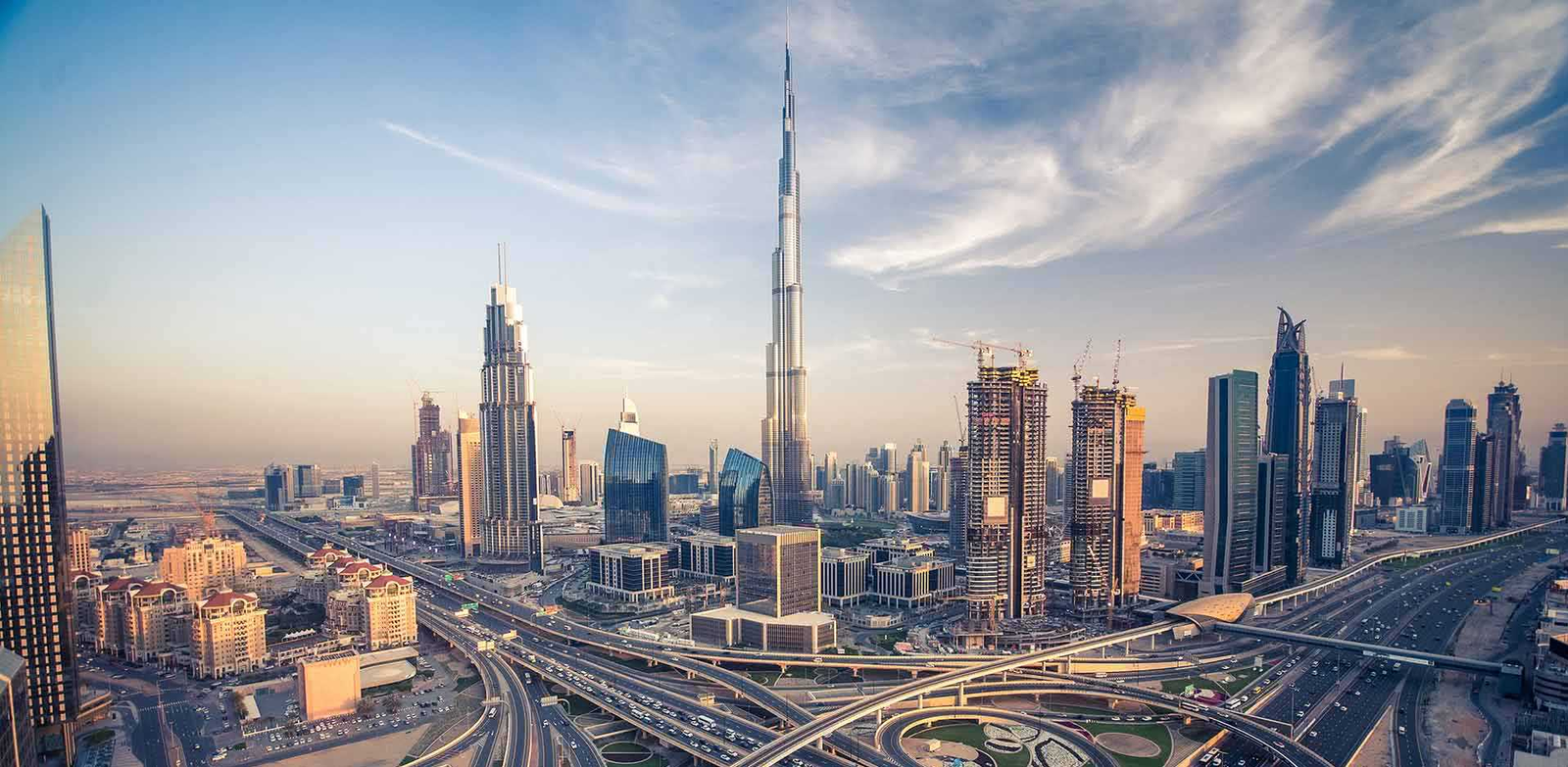
Dubai has become one of the most attractive destinations for international trade and wholesale operations. Known for its strategic location, modern infrastructure, and tax-friendly policies, the city continues to draw investors and entrepreneurs from around the world. However, before starting a wholesale business in Dubai, it is essential to understand the licensing requirements that govern such operations. The right license ensures compliance with local laws, builds trust with customers and suppliers, and opens doors for smooth business activities.
This article explains the key licensing requirements for wholesale operations in Dubai in simple terms, making it easier for investors and entrepreneurs to navigate the process.
Why Licensing is Important in Dubai
Licensing is not just a formality in Dubai it is a legal requirement. The government ensures that every business operates within a structured framework. For wholesale companies, this regulation is even more critical as they deal with imports, exports, large-scale supply chains, and multiple industries.
A valid wholesale license provides several benefits, such as:
Legal recognition of your business entity.
Ability to open bank accounts and access financing.
Permission to import, store, and distribute goods legally.
Greater credibility with clients, suppliers, and international partners.
Without proper licensing, businesses risk heavy penalties, closure, or blacklisting.
Types of Licenses for Wholesale Operations
In Dubai, wholesale operations generally fall under the Commercial License category. This license allows companies to engage in trading activities such as importing, exporting, and distributing goods in bulk.
However, the type of license may vary depending on your business model and location:
Mainland License
Issued by the Dubai Department of Economy and Tourism (DET).
Allows companies to trade directly within the UAE market without restrictions.
Ideal for businesses targeting local retailers, supermarkets, and industries.
Free Zone License
Issued by specific free zone authorities like Jebel Ali Free Zone (JAFZA), Dubai Multi Commodities Centre (DMCC), or Dubai Airport Free Zone (DAFZA).
Offers 100% foreign ownership, tax exemptions, and simplified import-export procedures.
Businesses in free zones can trade internationally with ease but may face limitations in directly trading within the UAE market unless using a local distributor.
Offshore License
Best suited for businesses that want to manage international wholesale operations but do not require a physical presence in the UAE market.
Provides confidentiality and global tax benefits but limits direct local trading.
Steps to Obtain a Wholesale Business License in Dubai
Getting a license for wholesale operations involves a structured process. While requirements may vary slightly depending on whether you set up on the mainland or in a free zone, the general steps are:
Choose a Business Activity
Decide on the exact wholesale activity you want to pursue, such as electronics, textiles, food products, machinery, or building materials.
Each activity must be registered with the authorities.
Select a Business Location
Choose between the mainland or one of Dubai’s many free zones.
Consider market access, tax benefits, and business flexibility when deciding.
Decide on a Business Structure
Common options include Limited Liability Company (LLC), Sole Establishment, or Free Zone Company.
The structure affects ownership rights, liability, and profit distribution.
Register a Trade Name
Your business must have a unique trade name approved by the authorities.
Avoid names that violate local traditions, religious sensitivities, or duplicate existing names.
Apply for Initial Approval
Submit your business activity, trade name, and documents to obtain initial approval.
This step confirms that you can proceed with the license process.
Prepare Legal Documents
Draft and sign the Memorandum of Association (MOA) if setting up an LLC.
Submit identification documents of shareholders and managers.
Lease Office or Warehouse Space
Secure a physical office or warehouse depending on your wholesale activity.
For free zone setups, the authority may provide ready-made office spaces.
Submit Final Application and Pay Fees
Submit all documents, approvals, and tenancy contracts.
Pay the required licensing and registration fees.
Receive Your License
Once approved, you will be issued a wholesale commercial license.
You can now begin importing, exporting, and trading goods legally.
Cost of a Wholesale Business License in Dubai
The cost of obtaining a wholesale license varies depending on the business structure and location. On average:
A mainland commercial license may cost between AED 15,000 to AED 25,000.
A free zone license can start from AED 10,000 but may go higher depending on facilities and visa quotas.
Additional costs include visa applications, office rentals, warehouse space, and administrative charges.
While the initial investment may seem significant, Dubai’s business-friendly environment often ensures high returns for wholesale traders.
Key Compliance Requirements
Even after obtaining a license, wholesale businesses must follow ongoing compliance requirements:
Renew License Annually: Licenses must be renewed on time to avoid fines.
Maintain Proper Accounting Records: Authorities may require financial audits.
Import-Export Documentation: Accurate customs documentation is essential.
Adherence to Product Regulations: Certain goods like food, medicine, and electronics may require additional approvals from regulatory bodies.
Final Thoughts
Licensing is the foundation of any wholesale operation in Dubai. Whether you choose the mainland or a free zone, securing the correct license ensures smooth operations and credibility in one of the world’s busiest trade hubs. By understanding the step-by-step process and compliance requirements, entrepreneurs can save time, reduce risks, and focus on growing their business.
Dubai’s wholesale market continues to thrive, offering opportunities in sectors like food, electronics, textiles, construction materials, and more. With the right license in hand, businesses can take full advantage of Dubai’s position as a global trade gateway.