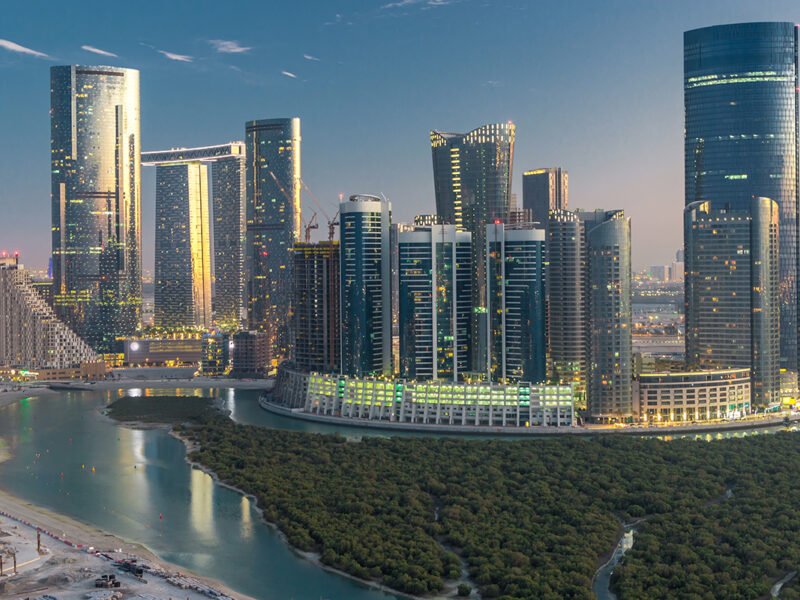
Abu Dhabi, the capital of the United Arab Emirates, is a city where modern architecture meets rich heritage. Beyond its skyscrapers and luxury hotels, the city is home to cultural landmarks that reflect centuries of history, art, and tradition. For travelers seeking a blend of modernity and heritage, Abu Dhabi offers attractions that appeal to every interest.
One of the most iconic landmarks in Abu Dhabi is the Sheikh Zayed Grand Mosque. This stunning mosque is a masterpiece of contemporary Islamic architecture. With its 82 domes, intricate marble work, and the world’s largest hand-knotted carpet, it offers a serene and inspiring experience for visitors. Tourists are encouraged to dress modestly and respect the mosque’s traditions while exploring its beauty. The mosque is not only a place of worship but also a symbol of Abu Dhabi’s cultural openness.
Another cultural gem is Qasr Al Hosn, the oldest stone building in the city. Known as the “White Fort,” Qasr Al Hosn served as the residence of the ruling family and the seat of government. Today, it is a museum showcasing Abu Dhabi’s journey from a small fishing village to a thriving modern city. Visitors can explore traditional Emirati architecture, historical artifacts, and interactive exhibits that highlight the Emirate’s history.
For art enthusiasts, the Louvre Abu Dhabi is a must-visit. Opened in 2017, this museum has quickly become a world-class cultural destination. Its unique dome, designed to create a “rain of light” effect, houses artworks from around the globe, ranging from classical paintings to contemporary pieces. The museum also hosts temporary exhibitions and cultural events, making it a dynamic hub for art and education. Louvre Abu Dhabi offers travelers a chance to experience global art while understanding the region’s cultural context.

Abu Dhabi also celebrates its heritage through Heritage Village, a recreated traditional oasis village. Visitors can witness how life was in the UAE before the oil boom, exploring traditional workshops, tents, and market stalls. The village demonstrates traditional crafts such as pottery, weaving, and metalwork, giving tourists a hands-on experience of Emirati culture. It’s an educational yet entertaining stop for families and solo travelers alike.
For those interested in performing arts, the Abu Dhabi Cultural Foundation offers a variety of programs, from theater performances to music festivals. The foundation plays a key role in preserving local culture while encouraging contemporary creative expression. Attending a performance here allows travelers to experience the city’s vibrant cultural scene firsthand.
Qasr Al Watan, or the Presidential Palace, is another landmark that cannot be missed. Visitors can tour the grand halls, royal libraries, and gardens to get a glimpse of the UAE’s political and cultural heritage. The palace also hosts exhibitions that explain the country’s governance and its diplomatic relations. Qasr Al Watan is not only an architectural marvel but also a symbol of national pride and cultural identity.
Abu Dhabi’s cultural landmarks are not limited to historical buildings and museums. The city’s Corniche and Mangrove National Park provide insights into the natural heritage and sustainable initiatives in the region. Guided eco-tours of the mangroves offer a unique perspective on Abu Dhabi’s efforts to preserve its natural environment while promoting cultural tourism. These experiences highlight the harmony between tradition, modernity, and environmental responsibility.
Food is also an integral part of cultural exploration. Abu Dhabi offers authentic Emirati cuisine in traditional settings, especially in areas around the souks and cultural districts. Dishes like Al Harees, Machboos, and Luqaimat reflect the region’s culinary heritage, giving travelers a taste of local traditions. Visiting local markets and dining in traditional restaurants enhances the cultural journey beyond architecture and art.

When planning a trip to Abu Dhabi, travelers should prioritize these cultural landmarks to gain a deeper understanding of the city’s identity. Each site offers a unique story, from historical developments and architectural achievements to artistic innovation and natural conservation. Together, they present a comprehensive picture of Abu Dhabi as a city that honors its past while embracing the future.
In conclusion, Abu Dhabi’s cultural landmarks are more than just tourist attractions; they are windows into the soul of the Emirati culture. From the grandeur of Sheikh Zayed Grand Mosque to the historic charm of Qasr Al Hosn, and from world-class art at Louvre Abu Dhabi to the immersive experience of Heritage Village, each site is a testament to the city’s commitment to preserving and sharing its heritage. Travelers who explore these landmarks will leave with a richer appreciation of Abu Dhabi’s history, art, and culture.
Whether you are a history buff, an art lover, or simply someone seeking to explore the unique cultural landscape of the UAE, Abu Dhabi offers landmarks that cater to every traveler’s curiosity. Experiencing these cultural treasures ensures a memorable journey that goes beyond sightseeing, providing meaningful connections with the heart and soul of the city.
READ MORE:- Inside the World of Business Acquisitions: Secrets of Corporate Growth 2025