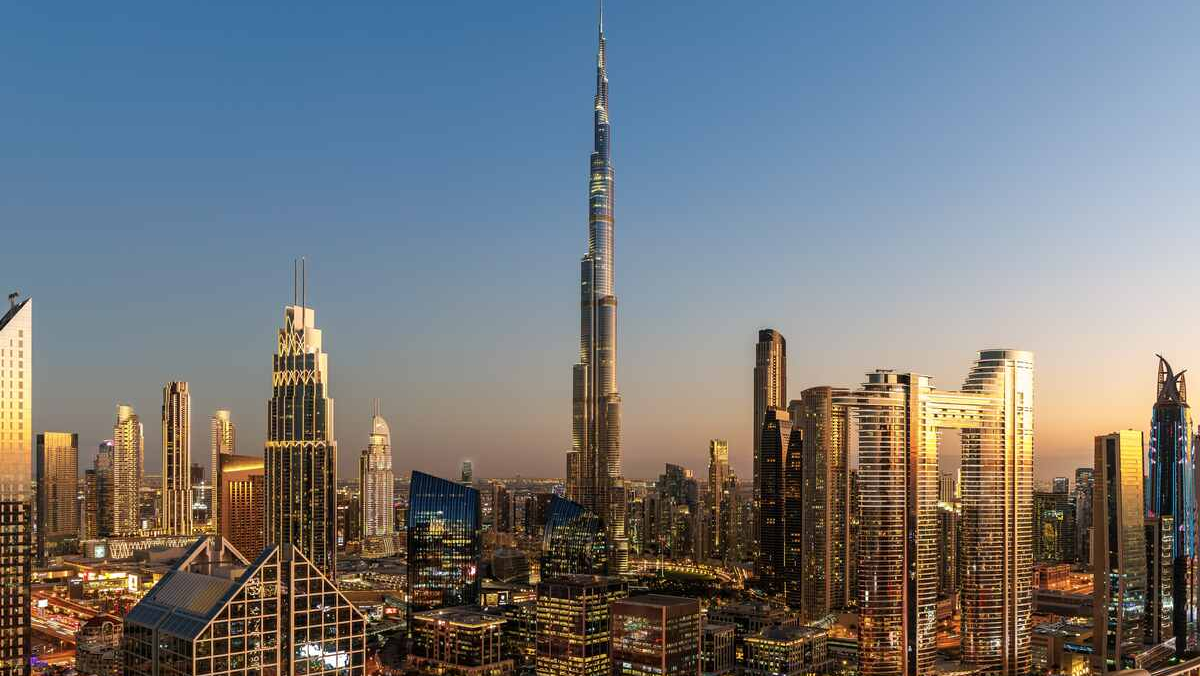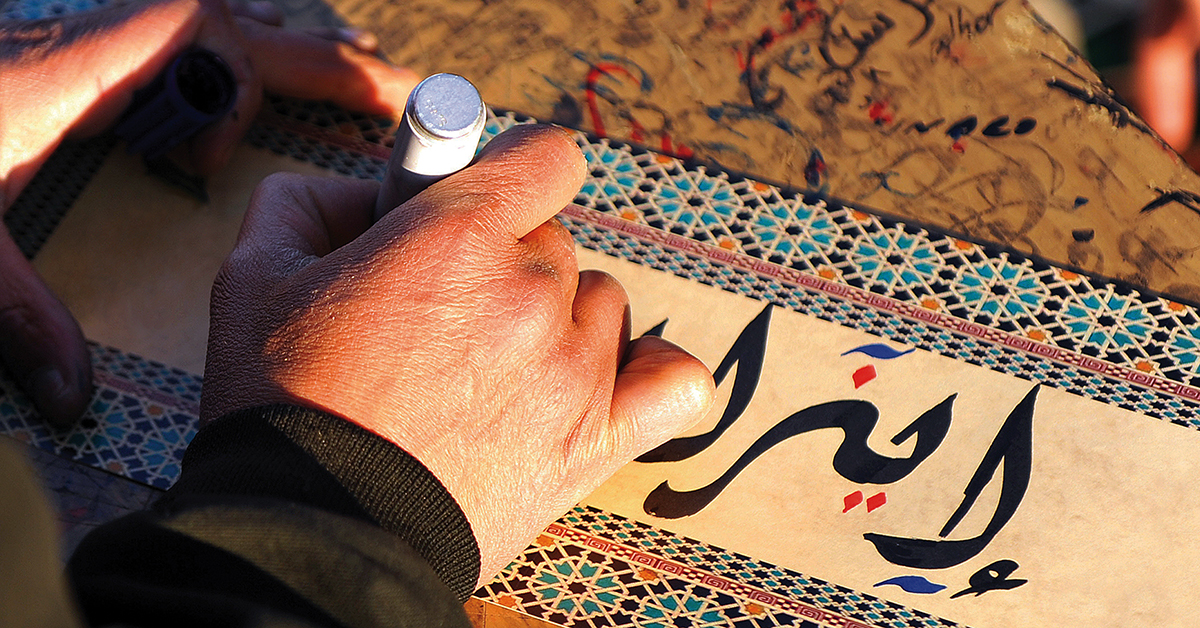
The United Arab Emirates (UAE) is often known for its futuristic skyscrapers, luxury lifestyle, and global business hub. But beyond the glamour, there is another side to this young nation: a powerful and growing sports culture. What makes UAE sports unique is the balance between preserving traditional heritage and embracing modern global events.
From camel racing in the deserts to Formula 1 races in Yas Marina Circuit, the UAE has built a sporting identity that reflects both its history and its vision for the future. Today, sports are not only entertainment in the Emirates but also a driver of tourism, culture, and national pride.
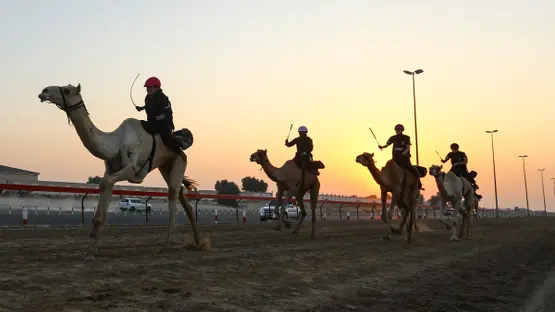
Before skyscrapers and stadiums, the deserts of the UAE echoed with the sound of racing camels. Camel racing has been a part of Emirati life for centuries, linked deeply with Bedouin traditions. Camels were once called the “ships of the desert” because of their importance in transportation and survival. Over time, this necessity turned into a competitive sport.
In earlier days, young riders would guide the camels across sandy tracks, with families and tribes cheering from the sidelines. Today, camel racing has become more advanced. Modern tracks have been built, and instead of child riders, small robot jockeys are now used reflecting how the UAE combines tradition with innovation.
The biggest races are held during the winter season, attracting tourists, locals, and even international visitors who want to experience authentic Emirati culture. The Al Marmoom Camel Race Track in Dubai and Al Wathba Camel Track in Abu Dhabi are two of the most famous venues for this sport.
Camel racing is more than just a competition; it is a reminder of the UAE’s roots. With government support and strict measures to protect animal welfare, the sport continues to thrive as a cultural treasure.

Another traditional sport closely tied to Emirati heritage is falconry. For centuries, falcons were trained to hunt in the desert, providing food and companionship to Bedouin tribes. Today, falconry is recognized by UNESCO as part of the world’s cultural heritage, and the UAE is one of the leading nations preserving this practice.
Falcons are treated with the highest care, with dedicated hospitals, breeding centers, and even passports for international travel. Falconry competitions in the UAE draw large crowds, with birds competing in speed and hunting skill challenges. The Abu Dhabi International Hunting and Equestrian Exhibition is one of the biggest events celebrating this tradition.
Falconry is not only a sport but also a symbol of courage, loyalty, and connection to the desert environment.
While traditional sports hold deep cultural value, modern sports have also captured the hearts of Emiratis and residents. Football is the most popular of them all.
The UAE Pro League, featuring top clubs such as Al Ain, Al Jazira, and Shabab Al Ahli, attracts thousands of fans each season. The national football team has also made its mark, famously qualifying for the 1990 FIFA World Cup in Italy. In recent years, the UAE has hosted international tournaments, including the AFC Asian Cup and FIFA Club World Cup, bringing global attention to its football scene.
With massive investments in infrastructure, training academies, and grassroots programs, the UAE is working to build future generations of football stars. Stadiums like Hazza Bin Zayed Stadium and Zayed Sports City are modern symbols of the country’s sporting ambition.
Horse racing has a royal connection in the UAE, particularly thanks to the support of Dubai’s leadership. The Dubai World Cup, held every year at Meydan Racecourse, is one of the richest horse races in the world. With prize money worth millions of dollars, it attracts elite jockeys, trainers, and horses from across the globe.
This event is not just about sports; it is also a glamorous social occasion. Celebrities, business leaders, and international visitors attend in large numbers, making it a highlight of Dubai’s sporting calendar. The UAE’s investment in horse racing also reflects its historic bond with Arabian horses, known worldwide for their beauty and strength.
When it comes to modern global sports, nothing represents the UAE better than Formula 1. The Abu Dhabi Grand Prix, held annually at Yas Marina Circuit, has become one of the most exciting races on the F1 calendar. Since its debut in 2009, the event has brought the world’s attention to the UAE, combining high-speed racing with luxury entertainment.
The Yas Marina Circuit is not just a race track it is a world-class sporting destination. Visitors enjoy concerts, entertainment shows, and luxury hospitality alongside the thrilling races. The final race of the F1 season is often held in Abu Dhabi, making it a decisive and dramatic event watched by millions worldwide.
Formula 1 has also helped the UAE grow as a sports tourism destination. Fans from around the world fly to Abu Dhabi, boosting hotels, restaurants, and local businesses.
Sports in the UAE are more than competitions they are part of the nation’s growth strategy. By hosting international events such as the Dubai Tennis Championships, UFC fights, cycling tours, and even global golf tournaments, the UAE attracts athletes and fans from across the world.
Sports tourism contributes heavily to the economy. For example, events like the Dubai Marathon or Ironman triathlons not only promote fitness but also encourage thousands of participants and visitors to explore the country.
The government’s investment in sports facilities, academies, and stadiums shows that the UAE is committed to becoming a global sports hub. This vision aligns with its broader strategy to diversify the economy beyond oil.
What makes the UAE’s sports culture unique is the balance between heritage and modernity. While camel racing and falconry keep the nation connected to its roots, Formula 1 and football link it to the global sports stage.
For young Emiratis, this mix provides a strong sense of identity being proud of traditions while competing internationally in modern arenas. For residents and tourists, it offers a chance to experience both the past and the future in one country.
The UAE’s journey from desert camel racing to hosting Formula 1 races reflects its remarkable growth as a nation. Sports in the Emirates are not just about winning or entertainment; they are about culture, unity, and global recognition.
Whether it is the sight of camels sprinting across golden sands or the roar of F1 cars under Yas Marina’s floodlights, the UAE proves that sports can tell the story of a nation past, present, and future.
READ MORE:- Inside the World of Business Acquisitions: Secrets of Corporate Growth 2025