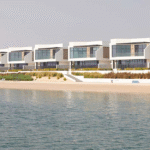
The United Arab Emirates UAE has become one of the world’s most attractive destinations for property investment. Foreigners Known for its modern lifestyle, strong economy, and high rental returns, the UAE especially Dubai and Abu Dhabi welcomes thousands of international buyers each year. Foreigners often wonder whether they can legally own property in the UAE, and the answer is yes.
This article provides a complete guide for foreigners planning to buy property in the UAE, covering legal rights, property types, procedures, and key tips to make the process smooth and secure.
Yes, foreigners can own property in the UAE, but there are specific rules to follow. In 2002, Dubai became the first emirate to allow foreign nationals to buy property in designated freehold areas. Abu Dhabi followed later, offering leasehold and freehold rights in certain zones.
Today, foreigners can buy property in multiple emirates, but the options may differ depending on the city.

When buying property in the UAE, it is important to understand the two main ownership structures:
Buying a property in the UAE is relatively straightforward if you follow the proper legal steps.
Foreigners can select from apartments, villas, townhouses, or commercial properties. Popular areas in Dubai include Downtown Dubai, Dubai Marina, Palm Jumeirah, and Business Bay. In Abu Dhabi, Yas Island, Saadiyat Island, and Al Reem Island are major investment hubs.
It is crucial to work with a licensed real estate agent and verify the property’s details with the Dubai Land Department (DLD) or Abu Dhabi Municipality.
Once a buyer and seller agree on the terms, they sign an MoU outlining the purchase price, payment plan, and other conditions.
Buyers typically pay a 10% deposit to secure the property.
The developer issues an NOC to confirm that the seller has no outstanding service charges or liabilities.
Both buyer and seller must be present at the Dubai Land Department or Abu Dhabi Municipality to complete the transfer. The buyer pays the full purchase amount, registration fees, and receives the property title deed.
Apart from the purchase price, foreign buyers should budget for additional costs:
Yes, foreigners can apply for mortgages in the UAE, but eligibility may vary depending on the buyer’s nationality, income, and credit history. Most banks require:
Mortgages are available for both residents and non-residents, though non-residents may face stricter requirements and higher interest rates.

There are several advantages for foreigners investing in UAE real estate:
The UAE, especially Dubai and Abu Dhabi, has opened doors for foreigners to invest in real estate with attractive benefits. From freehold ownership to rental income opportunities and residency visas, the country offers strong incentives for international investors.
While the process is simple, careful planning and legal guidance are essential for a safe and successful transaction. For anyone dreaming of owning a home or investment property in the Middle East, the UAE remains one of the most secure and rewarding destinations.
READ MORE:- Inside the World of Business Acquisitions: Secrets of Corporate Growth 2025