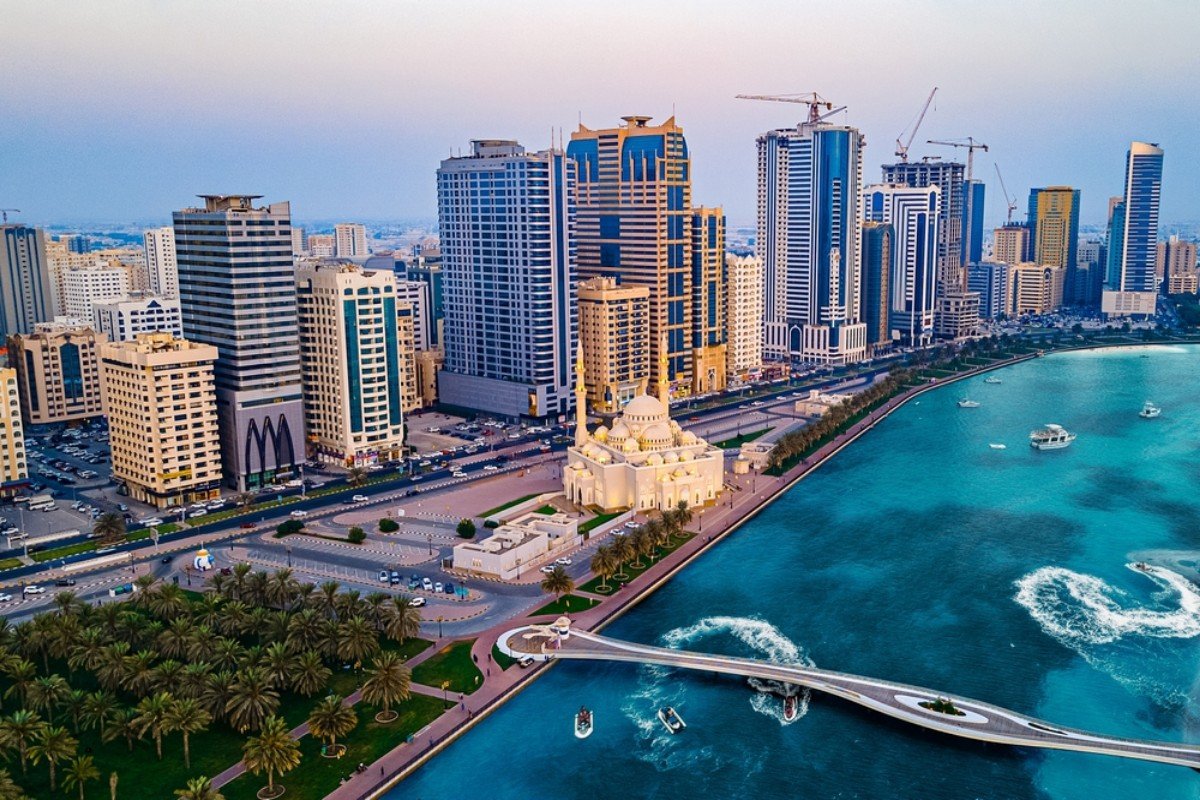
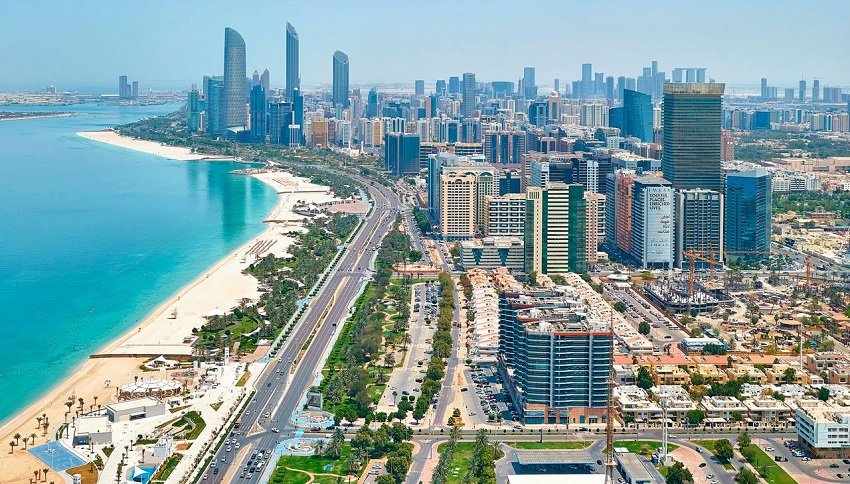
Dubai has always been known for its futuristic skyline, luxury living, and smart city innovations. But behind its glittering towers and world-class infrastructure lies something equally important urban planning focused on air circulation and climate comfort. As the city grows, Dubai’s planners and engineers are adopting innovative models that not only shape how the city looks but also how it feels to live and work here.
Dubai is located in one of the world’s hottest climates, where summer temperatures can rise above 45°C. Managing heat and ensuring proper airflow is not just about comfort—it is about public health, energy savings, and sustainability. Poorly designed urban spaces can trap heat, create “urban heat islands,” and increase demand for air conditioning. This leads to higher energy costs and carbon emissions.
Dubai, however, has made air circulation a key part of its urban planning strategy, blending traditional architectural wisdom with modern technology.
Long before skyscrapers dominated the skyline, the people of Dubai and the wider Gulf region used natural design strategies to deal with extreme heat. Traditional houses often featured wind towers (barjeel)—structures that captured cooler winds and directed them inside homes. Narrow alleyways between buildings created shaded pathways with natural airflow, reducing heat exposure for pedestrians.
Today, urban planners are revisiting these traditional methods and integrating them into modern projects. The Al Fahidi Historical District is a prime example of how these designs created comfortable living environments long before air conditioning existed.
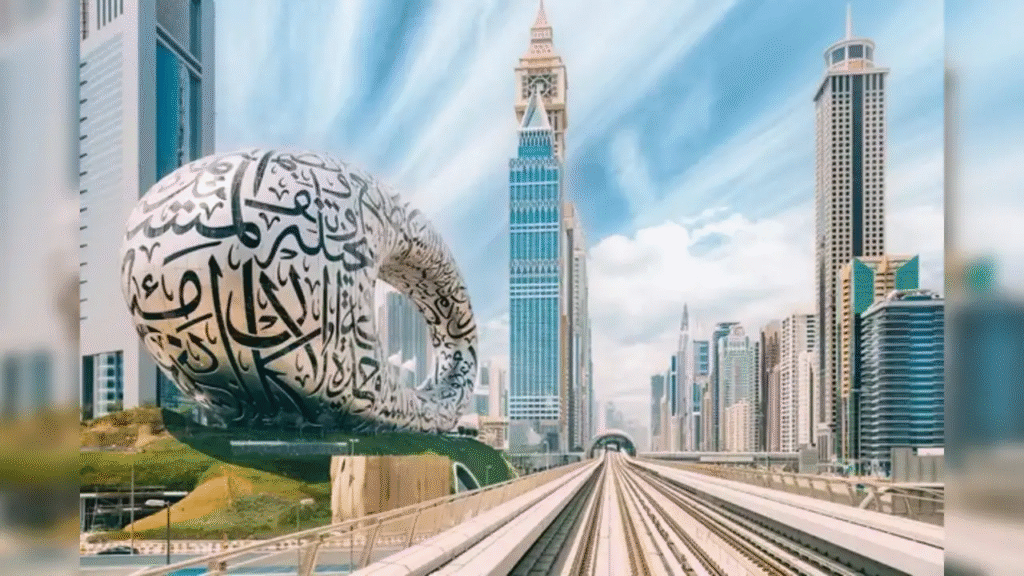
Dubai’s modern planners use computer simulations, climate modeling, and advanced design tools to predict how air will flow through new developments. These models consider factors such as:
For example, in projects like Dubai Creek Harbour and Dubai South, master planners carefully designed layouts to maximize airflow and minimize heat stress.
Dubai is also embracing smart technology to enhance air circulation. The city’s smart building systems monitor indoor air quality, temperature, and humidity in real time. Artificial intelligence is increasingly being used to optimize air conditioning systems by aligning them with natural ventilation patterns.
Additionally, Dubai is experimenting with urban cooling corridors wide green boulevards that act as wind tunnels, pushing fresh air into dense urban areas. These corridors, when combined with shaded walkways and greenery, make pedestrian zones more comfortable.
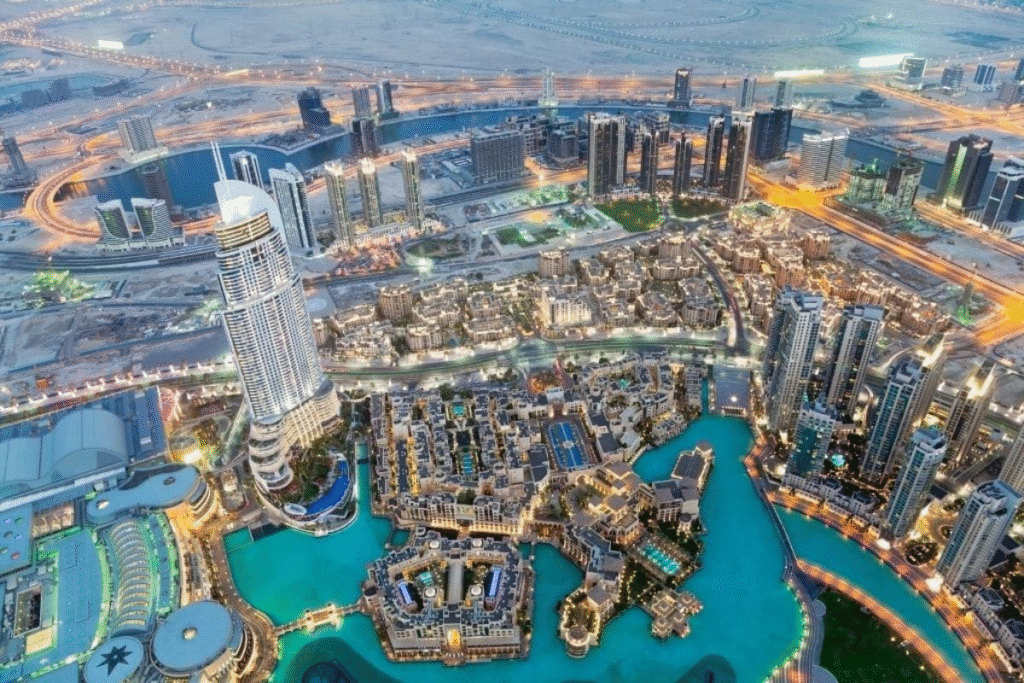
Air circulation models are not just about comfort they are central to Dubai’s sustainability goals. The UAE’s Net Zero 2050 plan emphasizes reducing energy consumption, and better airflow directly supports this mission. By designing buildings and communities that require less artificial cooling, Dubai can lower its reliance on fossil fuels and move closer to renewable energy targets.
Moreover, urban cooling strategies reduce heat-related health risks. In a city where outdoor workers spend long hours under the sun, shaded areas and natural airflow can help reduce the risk of heatstroke and dehydration.
Looking ahead, Dubai’s planners aim to integrate air circulation into every layer of urban development—from individual buildings to entire city districts. Some future-focused approaches include:
A strong example of this vision is Expo City Dubai, designed as a sustainable community with climate-responsive buildings, shaded pathways, and energy-efficient cooling systems. This project demonstrates how urban planning can merge futuristic design with environmental responsibility.
Dubai is one of the fastest-growing cities in the world, attracting millions of residents, tourists, and investors. Balancing rapid growth with livability is a constant challenge. By making air circulation models a priority, Dubai is showing the world that mega-cities can be both modern and comfortable.
Urban planning here is no longer just about where to place a skyscraper or highway it is about creating a climate-conscious ecosystem where people can live, work, and move comfortably even in the hottest months.
Dubai’s success story is not only written in steel and glass but also in the invisible air that flows through its streets and buildings. By combining traditional wisdom with cutting-edge science, Dubai is proving that urban planning can redefine comfort, sustainability, and resilience in extreme climates.
As cities around the world face rising temperatures and growing populations, many will look to Dubai’s urban planning and air circulation models as a blueprint for the future.
Read More:- Shobha Realty Launches Its Most Luxurious Project Yet—Full Details Inside 2025