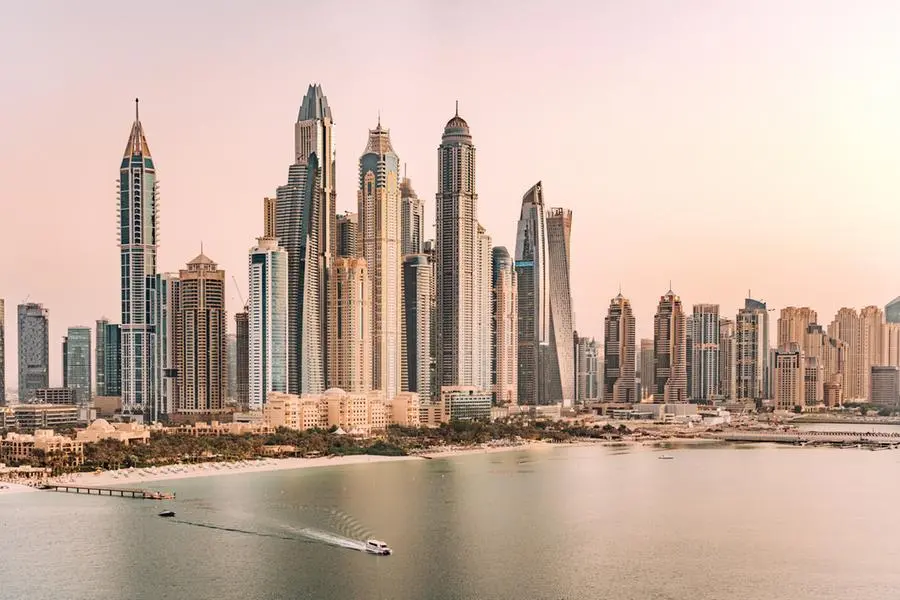
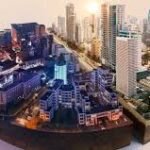
Dubai Housing Oversupply is the latest buzz in the city’s fast-moving real estate market. As many as 150,000 new homes are expected to be delivered over the next few years, sparking debates among investors, homeowners, and analysts. While the market has been on a record-breaking high in 2024 and 2025, experts warn that this large wave of supply could soften property prices from 2026 onwards.
For buyers, this might sound like good news—more homes mean more options and potentially better deals. But for developers and current owners, oversupply could mean slower growth, longer selling cycles, and pressure on rents.
Why Oversupply Is Becoming a Real Concern
Dubai’s real estate market thrives on balance. When demand outpaces supply, prices rise. When supply exceeds demand, prices soften. The concern today is simple:
Developers are launching projects at record speed.
Population growth is strong but may not keep pace with the sheer number of units.
Global economic uncertainty could slow down foreign demand.
With 150,000 new homes set to hit the market, the city risks having more units than buyers ready to absorb them.
Breaking Down the Numbers
To understand Dubai Housing Oversupply better, let’s look at the figures:
2024-2025 Boom: More than 100,000 property transactions were recorded in 2024, setting new records.
2026-2028 Pipeline: Analysts expect around 150,000 new units—a mix of apartments, villas, and townhouses—to be delivered.
Vacancy Risks: If demand slows even slightly, many of these homes could remain unsold or unrented, creating downward pressure on prices.
Dubai has seen oversupply cycles before, most notably after 2009. The difference this time is that demand is more diversified, with buyers from Europe, Asia, and the Middle East all active in the market.
How Oversupply Affects Property Prices
The link between oversupply and property prices is straightforward:
More Choices, Lower Prices: With too many homes on the market, buyers can negotiate better deals.
Pressure on Developers: To attract sales, developers may offer discounts, extended payment plans, or waived fees.
Impact on Existing Owners: Those looking to resell properties may struggle if new projects offer cheaper or more attractive alternatives.
Rental Market Softening: Too much supply can also push rental yields down, especially in mid-market communities.
For investors banking on quick appreciation, oversupply poses a real challenge.
Lessons from the Past
Dubai’s property market has faced oversupply issues before. After the global financial crisis in 2009, property values dropped sharply due to an abundance of unfinished or unsold units.
Key takeaways from that cycle include:
Resilient Recovery: Dubai always bounces back, but corrections can take years.
Quality Over Quantity: Prime locations and branded developments recover faster than oversupplied, mid-market areas.
Policy Intervention: Government regulations, such as tighter project approvals, helped stabilize the market.
This history provides valuable lessons for today’s investors and developers.
Who Wins and Who Loses in Oversupply
Winners:
Buyers & End-Users: More choices, better payment plans, and competitive pricing.
Tenants: If rental yields fall, rents may stabilize or even decline in some areas.
Losers:
Developers: Longer sales cycles and tighter profit margins.
Speculative Investors: Lower resale potential in oversupplied areas.
Current Owners: Risk of slower appreciation or stagnant property values.
Developers’ Strategies to Tackle Oversupply
To counter the risks of Dubai Housing Oversupply, developers are adapting in several ways:
Flexible Payment Plans: Offering post-handover schemes to attract buyers.
Focus on Luxury & Branded Residences: Targeting wealthy buyers who are less sensitive to price fluctuations.
Mixed-Use Communities: Creating lifestyle destinations that offer more than just housing.
Overseas Marketing: Aggressively promoting Dubai properties in London, Mumbai, Shanghai, and beyond.
These strategies may cushion the impact but are unlikely to erase oversupply risks entirely.
What This Means for Investors
If you are investing in Dubai real estate, here’s what Dubai Housing Oversupply means for you:
Short-Term Risks: Prices could stagnate or soften from 2026, especially in outer communities with too much supply.
Long-Term Opportunity: Dubai remains a global hub with strong population growth, suggesting long-term resilience.
Selective Buying Matters: Focus on prime locations like Downtown, Palm Jumeirah, or Dubai Marina, which typically weather oversupply better.
Rental Strategy: If yields fall in mid-market areas, investors may need to shift focus to short-term rentals or premium properties.
The Role of Population Growth
One counterbalance to oversupply is population growth. Dubai’s population continues to rise, driven by:
Inflow of Professionals: As businesses expand, demand for housing grows.
Residency Programs: Golden Visa and retirement visas attract long-term residents.
Tourism & Hospitality: Many short-term rentals cater to tourists, absorbing part of the supply.
If population growth matches or exceeds the supply pipeline, the impact of oversupply may be less severe.
Potential Market Scenarios
Looking ahead, analysts see three possible scenarios for Dubai Housing Oversupply:
Mild Correction: Prices dip slightly as supply increases but stabilize due to strong demand.
Moderate Decline: Prices fall 5–10% in certain areas where supply heavily outpaces demand.
Segmented Market: Prime areas stay strong, while outer suburbs see sharp corrections.
The most likely outcome is a segmented market, with winners and losers depending on location and project quality.
Practical Advice for Buyers and Owners
If you’re considering buying or already own property, here’s what to keep in mind:
For Buyers: Wait for potential corrections to secure better deals, especially in oversupplied areas.
For Current Owners: Hold long-term if possible; avoid panic selling.
For Tenants: Explore options—oversupply may open doors to better rental deals.
For First-Time Investors: Focus on projects with strong developer reputations and prime locations.
Government and Market Outlook
The Dubai government has historically taken steps to manage oversupply, including:
Regulating Launches: Controlling new project approvals.
Infrastructure Investments: Boosting demand by developing new districts.
Foreign Investment Incentives: Making it easier for global buyers to enter the market.
These measures will likely play a role in preventing oversupply from turning into a severe downturn.
Conclusion: Dubai Housing Oversupply Is a Double-Edged Sword
The coming wave of 150,000 new homes makes Dubai Housing Oversupply one of the most important topics for 2025 and beyond. For buyers and tenants, it offers opportunities—more choices, better deals, and possibly lower rents. For developers and current owners, it presents challenges that could slow growth and put pressure on profits.
The ultimate outcome will depend on how demand evolves. If Dubai continues to attract new residents, businesses, and investors, the city may absorb much of this supply. But if demand slows, oversupply could lead to corrections in certain areas.
Either way, the next three years will be crucial in shaping Dubai’s property market.