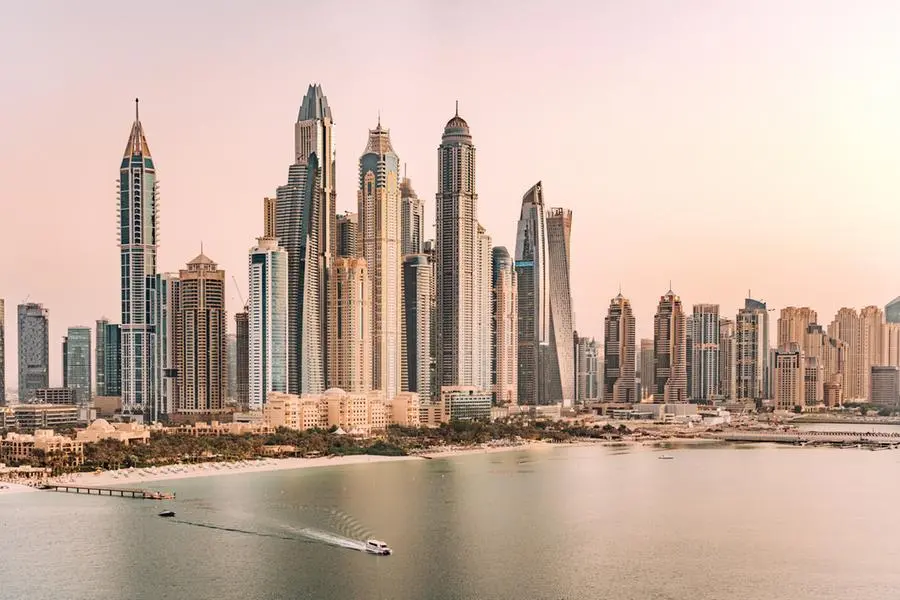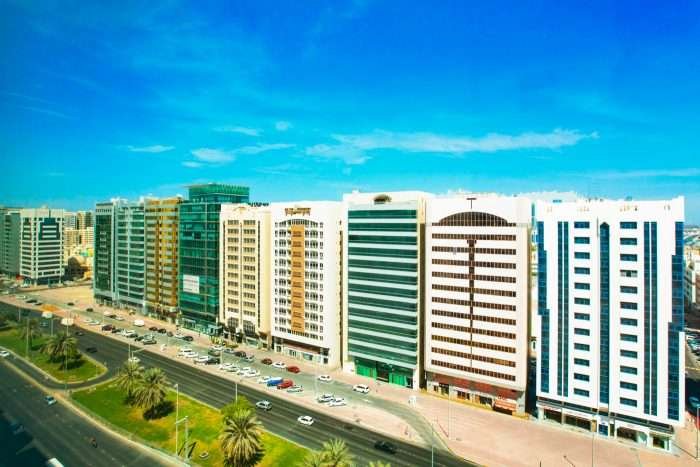
Abu Dhabi Residential Rent Inflation has surged in 2025, reaching levels not seen in over a decade. This sharp increase is reshaping the housing market, affecting tenants and investors alike. Rising rents are fueled by strong demand, limited supply, and ongoing economic growth in the capital. Experts warn that understanding these trends is essential for making informed property decisions, whether you are a renter, homeowner, or investor looking for opportunities in Abu Dhabi’s dynamic real estate market.
The sharp increase in rents has sparked widespread discussion among property experts, developers, and residents alike. Many are closely watching how supply, demand, and government policies will shape the market in the coming months. Understanding these trends is crucial for both potential homeowners and investors seeking to make informed decisions in Abu Dhabi’s competitive real estate landscape.
According to Cushman & Wakefield Core, Abu Dhabi’s rental market saw a 10% annual increase in villa rents and a 16% rise in apartment rents in 2024, marking the sharpest annual growth in the past decade. Cushman & Wakefield This upward trend has continued into 2025, with apartment rents increasing by 12.5% year-on-year in Q2 2025, as reported by ValuStrat.
The surge in rents can be attributed to a combination of factors, including high demand and limited supply. As the population of Abu Dhabi continues to grow, the demand for residential properties has increased, while the supply has not kept pace. This imbalance has led to higher rental prices.
Abu Dhabi’s economic growth has also played a role in the rising rents. The expansion of various sectors, including finance, healthcare, and education, has led to an increase in job opportunities, attracting more residents to the city. This influx of professionals has further intensified the demand for housing.
Ongoing infrastructure projects, such as the development of new transport links and community amenities, have made certain areas more desirable. This has led to increased demand in specific neighborhoods, driving up rents in those areas.
For tenants, the rising rents have made it more challenging to find affordable housing. Many are being priced out of their preferred neighborhoods and are being forced to consider less desirable areas or smaller properties. This has led to increased competition for available units and, in some cases, longer commutes.
For investors, the surge in rents presents both opportunities and challenges. On one hand, higher rents can lead to increased rental yields, making property investments more attractive. On the other hand, the rapid rise in rents may lead to concerns about affordability and potential regulatory interventions.
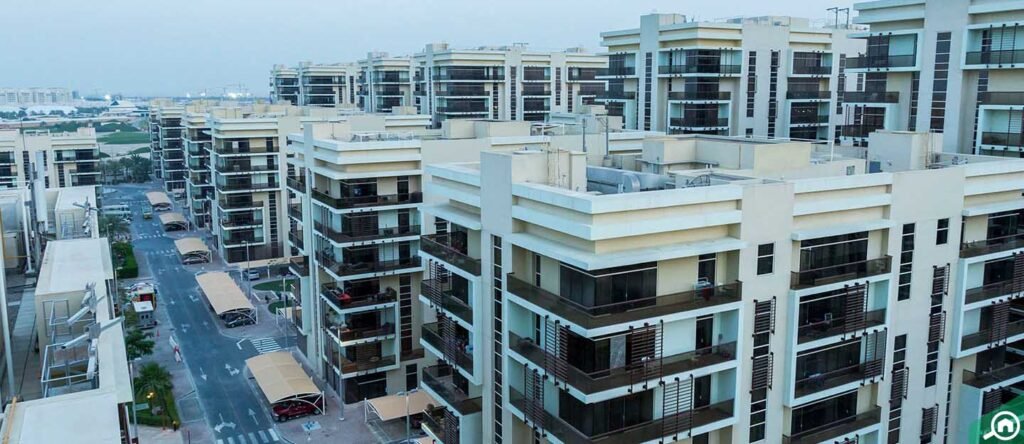
While the overall trend in Abu Dhabi has been upward, there are variations across different neighborhoods. For instance, areas like Yas Island and Saadiyat Island have seen significant increases in rents due to their popularity and desirable locations. In contrast, other areas have experienced more moderate growth, reflecting the diverse dynamics of the city’s rental market.
The Abu Dhabi government has implemented various measures to address the rising rents, including the introduction of rental caps and the development of affordable housing projects. These initiatives aim to balance the interests of tenants and investors and ensure the sustainability of the housing market.
Looking ahead, the outlook for Abu Dhabi’s residential rental market remains cautiously optimistic. While the demand for housing is expected to continue, the government’s efforts to increase supply and regulate rents may help stabilize the market in the coming months.
Abu Dhabi’s residential rent inflation in 2025 reflects a complex interplay of demand, supply, and economic factors. While the rising rents present challenges for tenants, they also offer opportunities for investors. With ongoing government initiatives and market adjustments, the city’s rental market is poised to evolve, aiming for a balance that supports both residents and investors alike.
Follow us on – Instagram
Read More:-Fujairah Coastal Properties See Sudden Global Interest