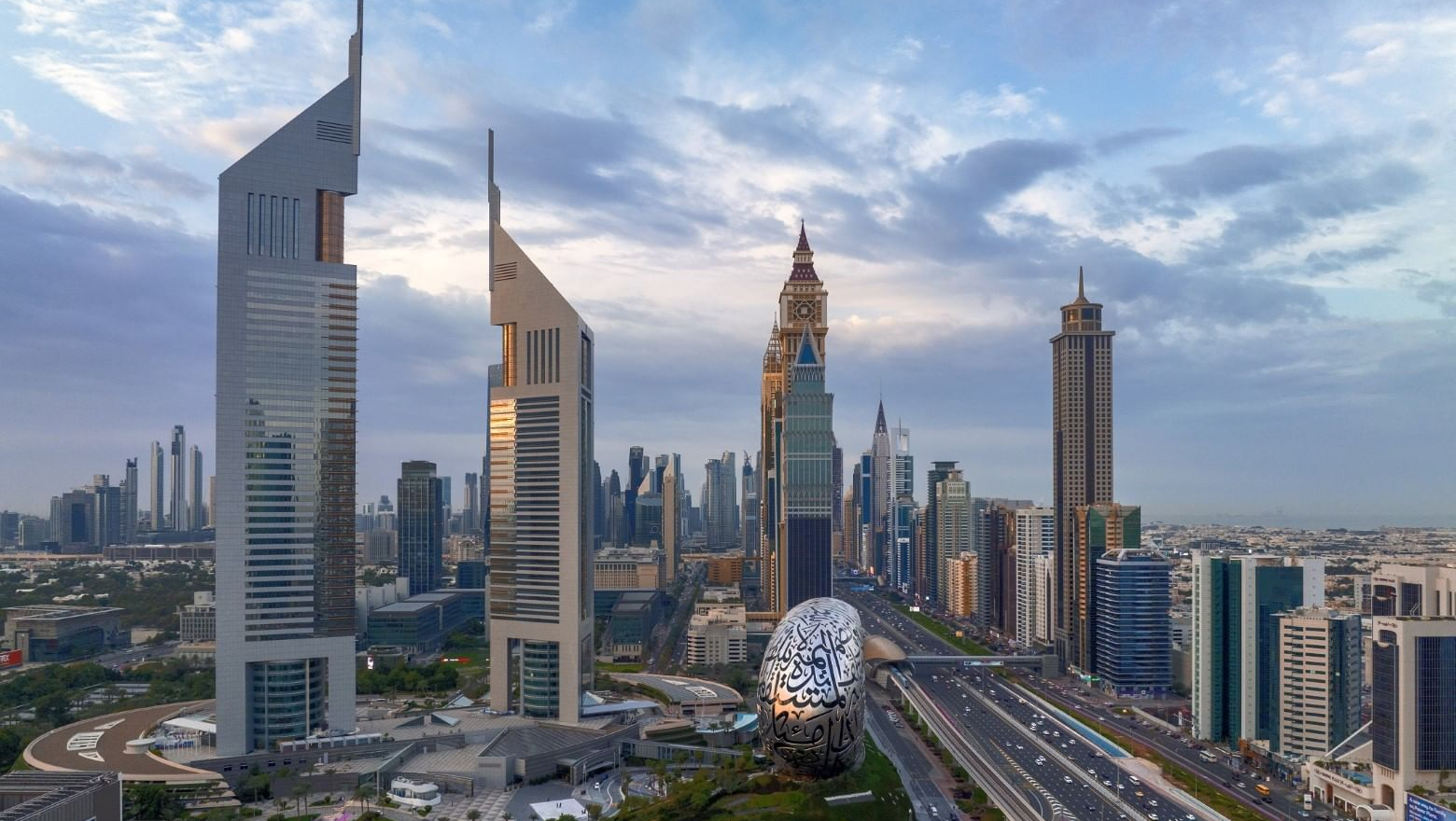
Dubai, known globally for its futuristic architecture and towering skyscrapers, has one of the most impressive skylines in the world. From the iconic Burj Khalifa to the modern Emirates Towers, the city’s skyline is a symbol of ambition and innovation. However, these towering structures do more than just define Dubai’s aesthetics; they also influence the urban climate in significant ways.
Over the past two decades, Dubai has transformed from a desert city into a modern metropolis. The construction of high-rise buildings has increased rapidly, reflecting the city’s rapid economic growth and global appeal. While these structures are marvels of engineering and design, they also interact with natural elements like wind, sunlight, and temperature, altering the urban environment around them.
One of the main impacts of Dubai’s skyline on the urban climate is the urban heat island (UHI) effect. Tall buildings and concrete surfaces absorb and retain heat, causing city temperatures to rise compared to surrounding desert areas. During summer, this effect can increase energy demand for cooling systems, putting additional pressure on the city’s power grid. The UHI effect also affects human comfort, air quality, and can worsen heatwaves, which are already common in the region.

Skyscrapers also influence wind patterns. Dubai’s tall buildings can create strong wind tunnels at street level, which may be uncomfortable or even hazardous for pedestrians. On the other hand, some buildings are strategically designed to redirect airflow and reduce heat accumulation in public spaces. Urban planners now consider these wind effects when designing new developments, balancing aesthetics with functional environmental benefits.
Another consequence of Dubai’s high-rise clusters is the effect on sunlight exposure. Tall buildings cast long shadows, affecting nearby areas and potentially reducing natural daylight. This can be both positive and negative. On one hand, shading can provide relief from intense desert heat, creating cooler spaces for pedestrians. On the other hand, reduced sunlight may impact vegetation growth and the effectiveness of solar panels, which are increasingly used in the city to support renewable energy goals.
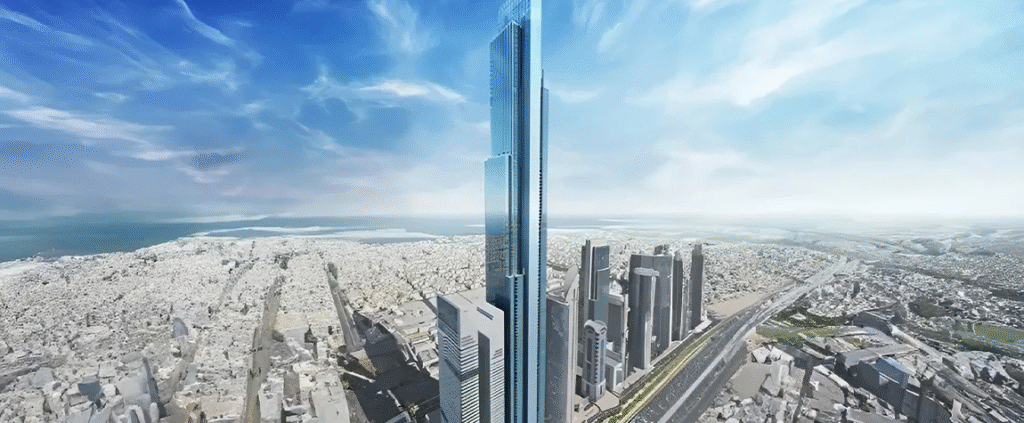
The concentration of skyscrapers can also affect humidity and precipitation patterns. Heat trapped between tall buildings can change how air moisture moves, sometimes leading to localized weather variations. Water bodies such as artificial lakes and fountains, common in Dubai’s urban design, can help moderate this effect by adding cooling through evaporation. This combination of natural and built elements is key to managing urban comfort in the desert environment.
Dubai is actively addressing these challenges through sustainable urban planning. Newer projects incorporate green roofs, vertical gardens, and reflective building materials to minimize heat absorption. City planners are also designing open spaces, parks, and water features to counteract the UHI effect. The integration of smart city technologies allows monitoring of temperature, air quality, and wind patterns, ensuring that urban development aligns with environmental sustainability.
Architects in Dubai are increasingly aware of the environmental impacts of tall buildings. Innovative designs, such as aerodynamic shapes and ventilated facades, reduce wind turbulence and heat gain. Additionally, mixed-use developments encourage pedestrian movement and reduce reliance on vehicles, helping to lower air pollution and energy consumption. The careful placement of skyscrapers and the use of modern materials play a vital role in maintaining a livable urban climate.
Dubai’s skyline is more than a symbol of modernity; it actively shapes the city’s urban climate. From heat islands to wind channels, shading, and humidity changes, the effects of tall buildings are wide-ranging. The city’s commitment to sustainable design and planning ensures that while Dubai continues to grow upwards, it also remains mindful of environmental impacts. By integrating technology, green design, and careful urban planning, Dubai demonstrates how a futuristic skyline can coexist with climate-conscious strategies, setting an example for other fast-growing cities worldwide.
READ MORE:- Shobha Realty Launches Its Most Luxurious Project Yet—Full Details Inside 2025