The GCC Real Estate Momentum is set to remain strong through the second half of 2025, according to recent forecasts by top analysts including Markaz. With major economies like Saudi Arabia, the UAE, and Kuwait driving investment, the property market across the Gulf Cooperation Council (GCC) is expected to sustain its upward trend.
Supported by robust government spending, lower borrowing costs, and high investor confidence, real estate in the region is shaping up as one of the most attractive asset classes globally. From mega-projects in Saudi Arabia to residential demand in Dubai and infrastructure upgrades in Kuwait, the GCC real estate market is on track for continued expansion.
The current boom is not happening in isolation. Several interconnected factors are fueling GCC Real Estate Momentum:
Saudi Arabia remains the largest market in the GCC real estate sector. Its ambitious Vision 2030 plan has turned the Kingdom into a hotspot for developers, investors, and global partners.
Key highlights include:
Analysts believe Saudi Arabia will continue to dominate regional real estate growth in the coming years, thanks to its scale and government backing.
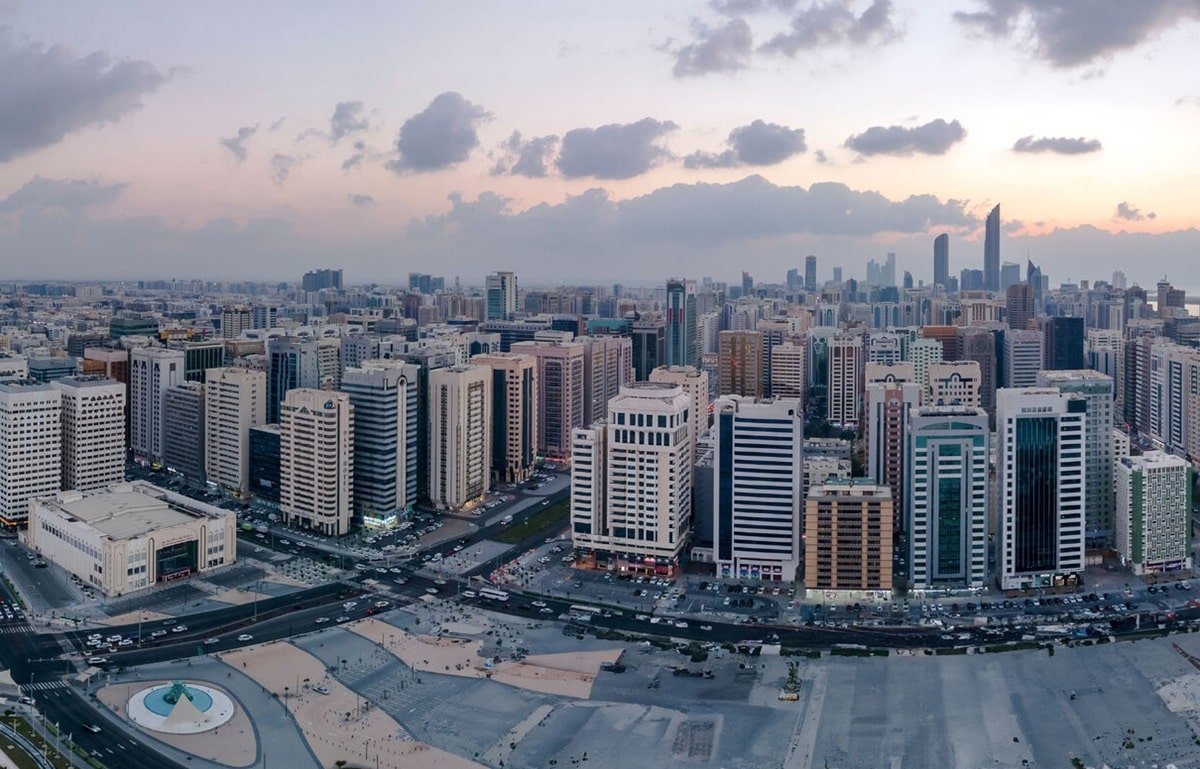
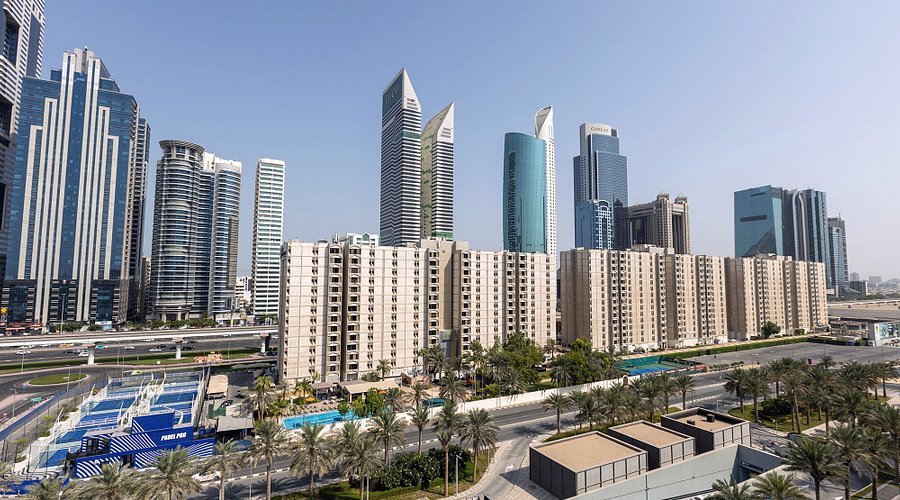
The UAE remains one of the most attractive real estate hubs in the world. Dubai, in particular, continues to attract international investors with its mix of luxury properties, affordable apartments, and strong rental yields.
The GCC Real Estate Momentum in the UAE is being driven by:
Despite rising property prices, Dubai and Abu Dhabi remain magnets for global investors, particularly from Europe, Asia, and the Middle East.
Kuwait’s real estate market is also seeing positive momentum, albeit on a smaller scale compared to Saudi Arabia and the UAE.
Government investment in housing projects, infrastructure upgrades, and urban development is creating opportunities for both developers and buyers.
While historically conservative, Kuwait is gradually opening its market to more foreign participation. Affordable housing schemes and demand from a young population are expected to drive steady growth through 2025 and beyond.
The GCC Real Estate Momentum is also a reflection of global investor sentiment. Investors are increasingly looking to the region for several reasons:
Despite the positive outlook, the GCC real estate market is not without risks. Some challenges include:
Analysts, however, believe that these risks are being actively managed through government regulation, diversification, and strategic planning.
Another factor driving GCC Real Estate Momentum is the growing adoption of technology. Smart city initiatives, digital transactions, and blockchain-based property registries are making the market more transparent and accessible.
Dubai, for example, is already experimenting with tokenized real estate and digital investment platforms. Saudi Arabia is embedding smart infrastructure in NEOM, while Kuwait is modernizing its property registration processes.
Looking ahead to the second half of 2025, analysts forecast continued strong demand across GCC markets. Key expectations include:
The GCC Real Estate Momentum is not just about luxury towers and mega-projects. It is about building diverse, sustainable, and inclusive housing solutions that cater to a growing population.
The GCC Real Estate Momentum shows no signs of slowing in 2025. Backed by government initiatives, attractive financing conditions, and robust investor demand, markets in Saudi Arabia, the UAE, and Kuwait are expected to remain strong.
For investors, developers, and homebuyers, this creates a window of opportunity to participate in one of the world’s most dynamic real estate regions.
As long as governments continue to invest, diversify, and innovate, GCC real estate will remain a pillar of economic growth and a magnet for global capital well into the future.
Follow us on – Instagram
Read More:Dubai Villa Market Soars 32.2% as Prices Hit AED 5.2M