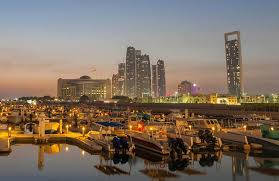
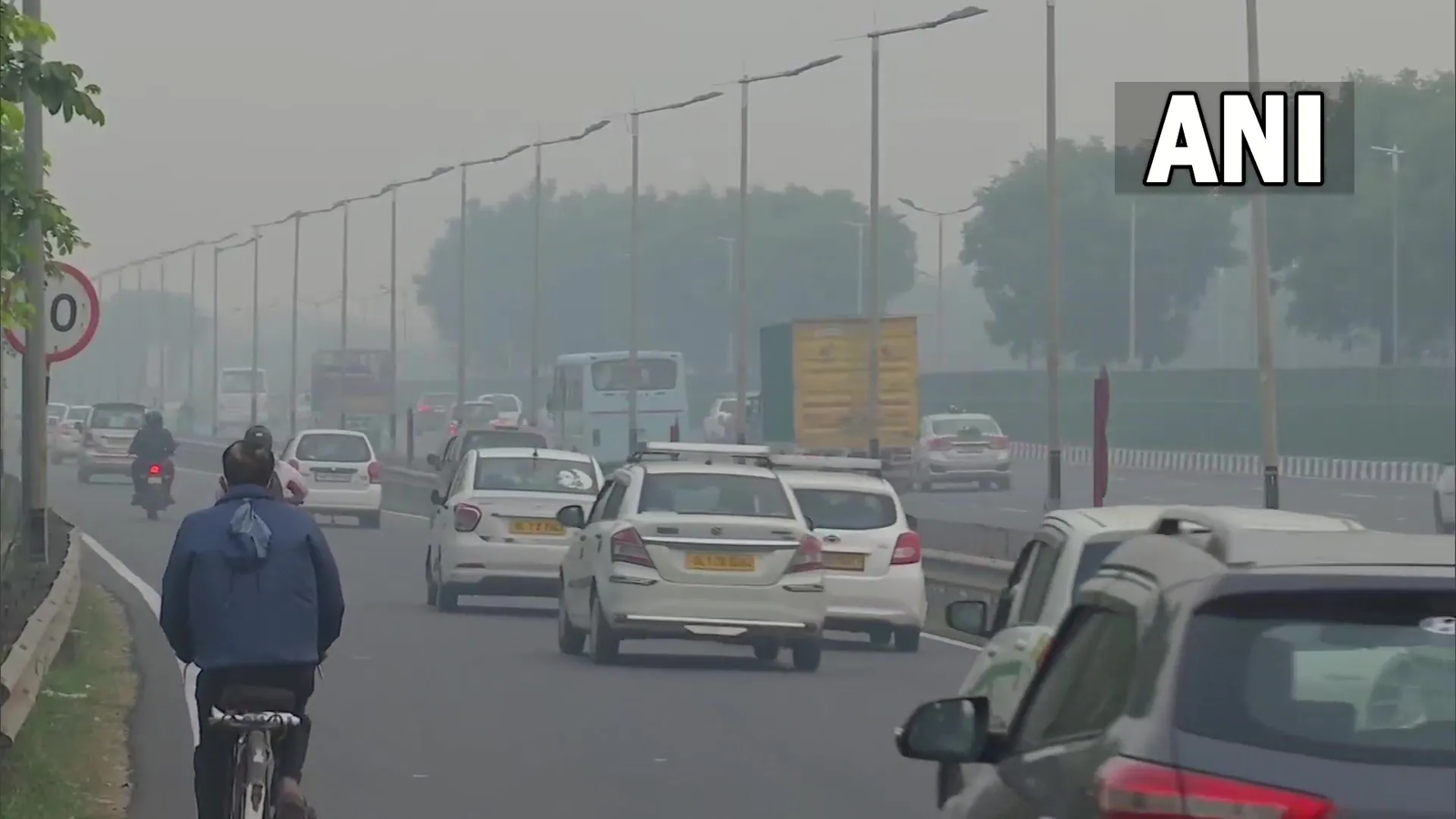
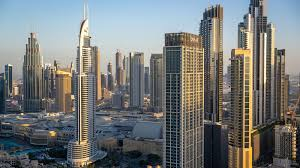
Dubai, known worldwide for its rapid urban growth and iconic skyline, is now setting a global example with its robust pollution control measures in 2025. The city, home to millions of residents and tourists, faces the challenge of balancing urban development with environmental sustainability. Recognizing the urgency, Dubai’s government and private sectors have introduced multiple initiatives aimed at reducing air, water, and land pollution while promoting a cleaner, greener city.
Air quality has been a major concern for Dubai, especially with increasing vehicle numbers and construction activities. In 2025, the Dubai Municipality and the Roads and Transport Authority (RTA) have intensified efforts to reduce harmful emissions. Key measures include:
Recent air quality reports show a steady improvement, with a notable decrease in particulate matter levels in urban areas. Experts believe these measures will continue to improve public health and the overall urban environment.
Dubai’s water resources face pressures from rapid urbanization and desalination plants. Pollution control in 2025 focuses on ensuring clean water for both residents and ecosystems. Notable initiatives include:
These measures not only improve water quality but also support Dubai’s goal of sustainable urban development.
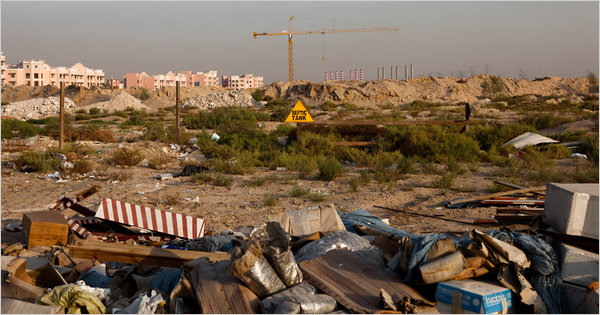
Land pollution, particularly from construction waste, plastic usage, and improper disposal practices, has been a growing concern in Dubai. The 2025 measures include:
Experts say that these measures will significantly reduce land contamination while creating a healthier environment for residents.
Dubai’s success in pollution control also depends on public cooperation. In 2025, the city has launched extensive awareness campaigns to educate residents and businesses about sustainable practices. These campaigns focus on reducing single-use plastics, conserving water, using public transport, and participating in community clean-up drives. Schools and universities have also joined the movement, promoting eco-friendly habits among the younger generation.
Dubai is leveraging cutting-edge technology to monitor and control pollution levels. Smart sensors across the city track air and water quality in real-time. Artificial intelligence helps predict pollution trends, allowing authorities to take proactive measures. Drone technology is also used to monitor industrial emissions and illegal waste dumping in remote areas.
Additionally, Dubai is collaborating with international environmental organizations to adopt best practices in pollution management. This global cooperation ensures that the city remains at the forefront of sustainable urban living.
While Dubai has made significant progress in 2025, authorities acknowledge that pollution control is an ongoing challenge. The city aims to integrate sustainability into every sector, from transportation and energy to construction and tourism. Future plans include expanding solar energy adoption, creating more eco-friendly public transport options, and increasing community-led environmental initiatives.
Experts highlight that Dubai’s approach provides a blueprint for other rapidly developing cities. By combining strong government policies, innovative technology, and public participation, Dubai demonstrates that economic growth and environmental sustainability can go hand in hand.
Dubai’s 2025 pollution control measures showcase the city’s commitment to a cleaner, healthier, and greener future. From reducing air and water pollution to managing waste and promoting sustainable practices, these initiatives are transforming the urban landscape. With continuous innovation and active community participation, Dubai is setting a high standard for environmental responsibility in the modern world.
As residents and visitors witness the tangible benefits of these measures, the city is not just building skyscrapers and luxury destinations it is building a sustainable legacy for generations to come.
READ MORE:- Shobha Realty Launches Its Most Luxurious Project Yet—Full Details Inside 2025