Dubai, a city renowned for its innovation and futuristic architecture, owes much of its global recognition to its iconic skyscrapers. These towering structures are not just architectural marvels they are symbols of Dubai’s rapid growth, economic ambition, and vision for a modern metropolis. Over the last few decades, skyscrapers have redefined Dubai’s skyline, shaping both its identity and the way the city functions.
The Burj Khalifa, standing at a staggering 828 meters, is a prime example of how skyscrapers have become an integral part of Dubai’s brand. Completed in 2010, this record-breaking structure did more than just set a world height record; it positioned Global Dubai as a hub for luxury, innovation, and architectural excellence. The Burj Khalifa and other skyscrapers like the Marina 101 and Princess Tower illustrate how vertical construction is critical in managing urban space while accommodating a growing population and business sector.
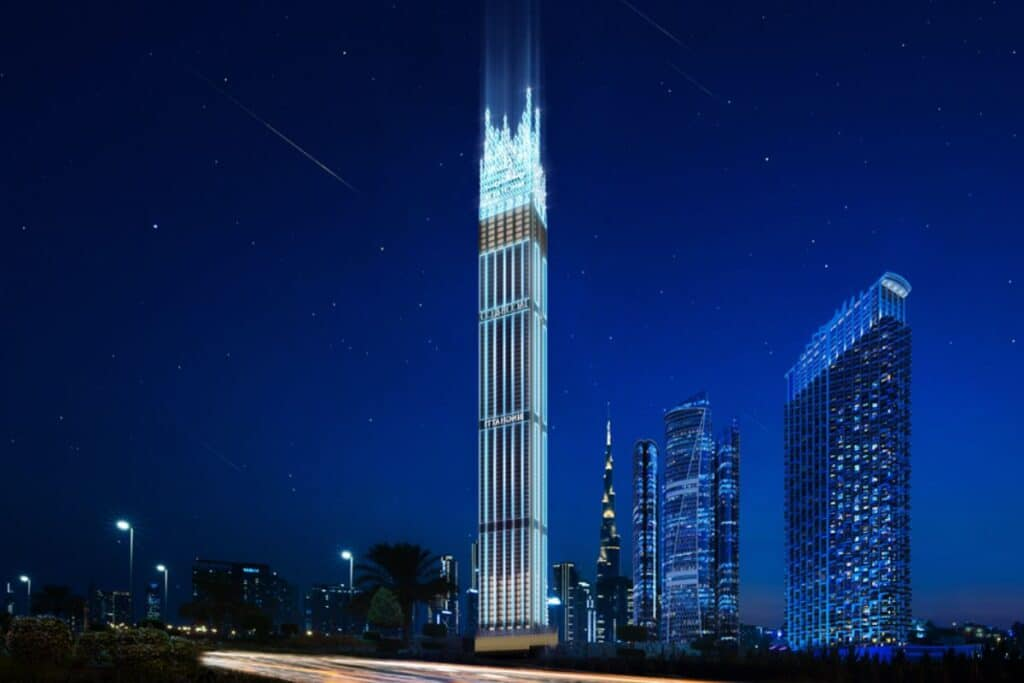
Skyscrapers are not merely symbols of prestige; they play a crucial role in Dubai’s economy. High-rise buildings allow the city to maximize its limited land, attracting businesses, investors, and residents from around the world. Commercial towers house multinational corporations, tech startups, and financial institutions, making Dubai a competitive business hub. Residential skyscrapers cater to an increasing population that seeks modern, luxurious living spaces in prime urban locations.
Furthermore, skyscrapers contribute to tourism revenue. Iconic structures such as the Global Burj Khalifa and Cayan Tower attract millions of visitors annually, eager to experience Dubai’s architectural wonders and panoramic city views. The integration of hotels, observation decks, and entertainment spaces within these skyscrapers creates a seamless combination of business, leisure, and lifestyle opportunities, enhancing Dubai’s global appeal.
The rapid rise of skyscrapers has also influenced urban planning in Dubai. The city’s planners focus on creating vertical neighborhoods that balance commercial, residential, and recreational spaces. Mixed-use skyscrapers help reduce traffic congestion by combining offices, homes, shopping, and Global entertainment in single complexes.
Sustainability has become a key consideration in modern skyscraper construction. Dubai now emphasizes energy-efficient designs, smart technologies, and environmentally friendly materials to reduce the carbon footprint of high-rise buildings. For instance, some towers incorporate solar panels, advanced cooling systems, and rainwater harvesting techniques. These innovations demonstrate Dubai’s Global commitment to building a sustainable urban future while maintaining its iconic skyline.
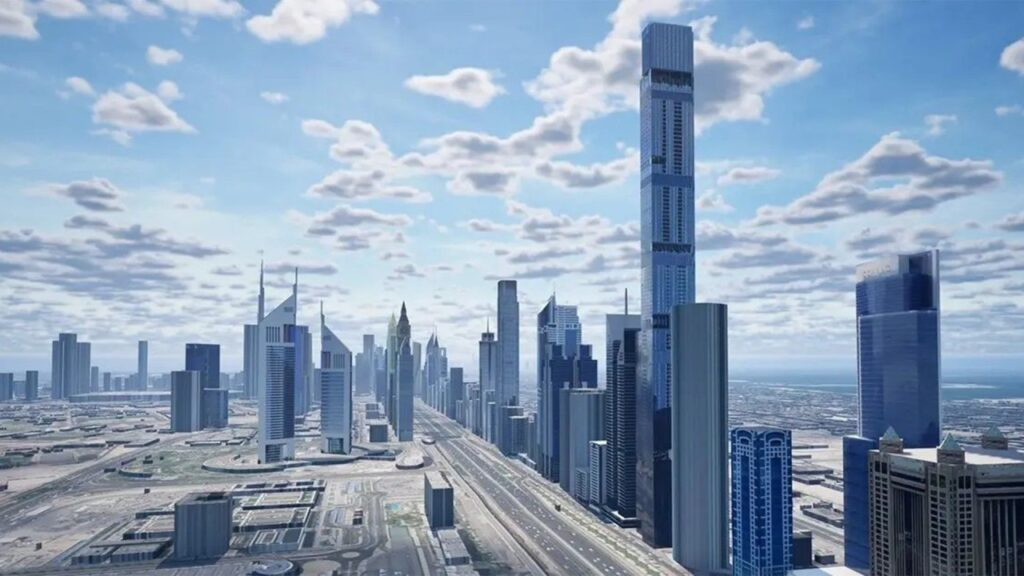
Beyond economics and urban planning, skyscrapers shape the social and cultural fabric of Dubai. They reflect the city’s ambition, cosmopolitan lifestyle, and appreciation for innovation. Skyscrapers serve as landmarks, helping create a distinct city identity that resonates globally. They also inspire local architects, designers, and engineers, promoting creativity and pushing the boundaries of modern architecture.
High-rise living has influenced Dubai’s social landscape, introducing luxury apartment lifestyles, rooftop leisure spaces, and integrated community amenities. Skyscrapers also foster social interaction in shared spaces like gyms, pools, and lounges, making urban life more vibrant and interconnected.
Despite their many benefits, skyscrapers also present challenges. High construction costs, environmental impact, and the need for advanced infrastructure are significant considerations. Additionally, maintaining safety standards and structural integrity in extreme weather conditions remains critical.
However, Dubai continues to innovate. Future projects such as the Dubai Creek Tower and upcoming sustainable vertical communities demonstrate that skyscrapers will remain central to the city’s urban vision. By combining innovative architecture with sustainable planning, Dubai aims to maintain its position as a world-class city while addressing the evolving needs of residents and businesses.
Skyscrapers have undoubtedly played a transformative role in shaping Dubai’s urban landscape. They are more than tall buildings; they represent economic growth, modern urban planning, social lifestyle evolution, and cultural identity. As Dubai continues to grow, skyscrapers will remain vital in defining the city’s skyline and reinforcing its position as a global hub of innovation, luxury, and ambition.
In essence, the vertical expansion of Dubai demonstrates how architecture can drive a city’s evolution, blending functionality, sustainability, and aesthetics into structures that inspire awe worldwide. Dubai’s skyscrapers are not only monuments of ambition but also blueprints for the future of modern urban living.
READ MORE:- Shobha Realty Launches Its Most Luxurious Project Yet—Full Details Inside 2025