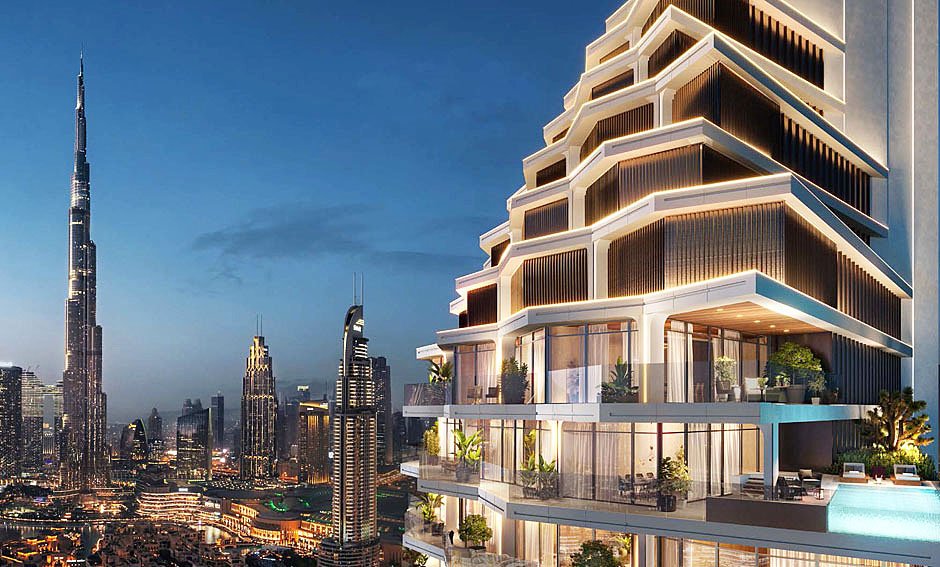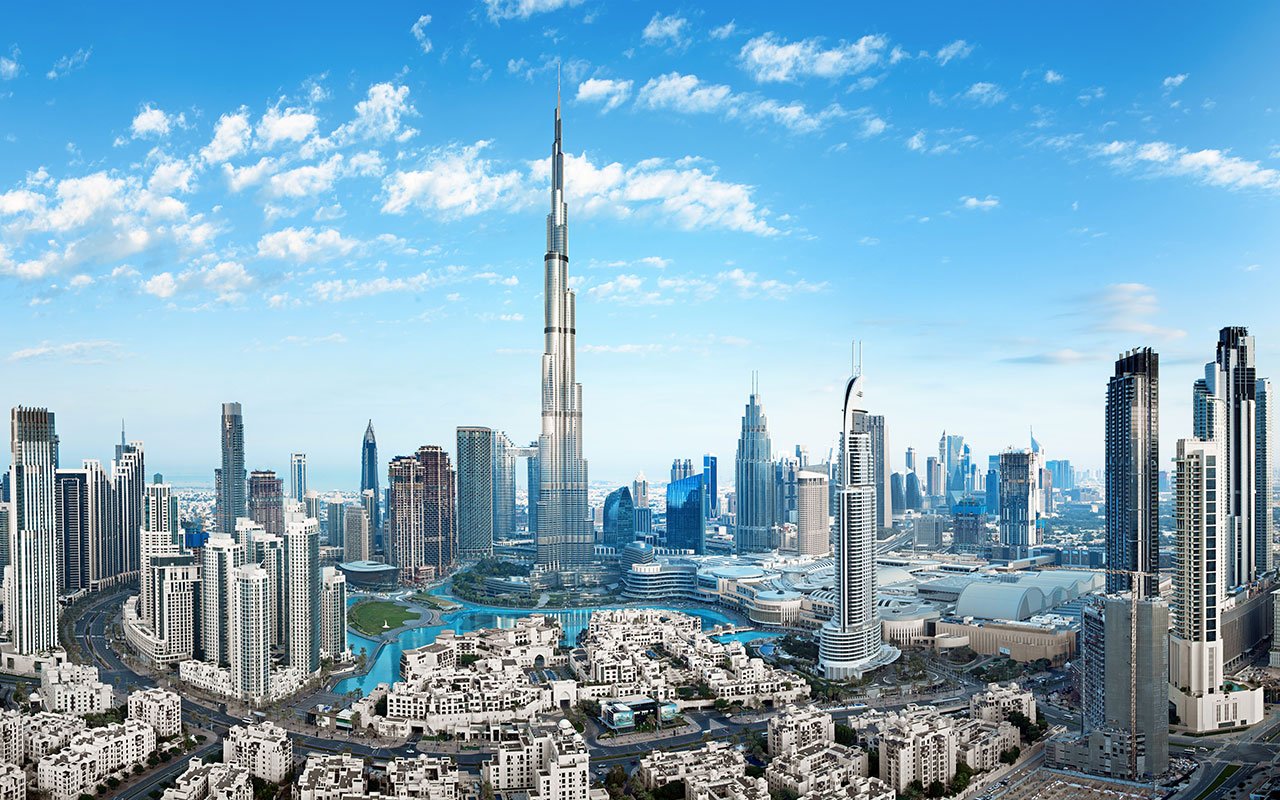

UAE property prices are expected to face a slowdown starting in 2026, according to a new report by Moody’s Investors Service. The forecast highlights that more than 150,000 new homes are expected to enter the market, creating a supply wave that could ease upward price pressures seen in recent years.
This projection comes after years of rapid growth in Dubai, Abu Dhabi, and other emirates, where property values surged due to strong investor demand, rising rents, and record transaction levels. While prices are not expected to collapse, the report signals a potential cooling that could reshape the dynamics of the UAE’s booming real estate sector.
Moody’s is one of the world’s leading credit rating and financial analysis agencies. When it makes a forecast about UAE property prices, global investors, banks, and real estate developers take notice.
The report points to a balance shift that could come from the delivery of around 150,000 new residential units between 2026 and 2028. With this influx of supply, the fast rising property prices seen in Dubai and Abu Dhabi since 2021 may begin to flatten, or in some cases, dip modestly.
For homebuyers, this could mean more affordable options. For investors, however, it raises the question of whether current returns will hold steady once new supply hits the market.
Over the past three years, UAE property prices have been on an upward trajectory. In Dubai alone, transaction volumes repeatedly broke records, fueled by wealthy foreign investors, end users shifting from renting to buying, and demand for luxury trophy homes.
At the same time, supply struggled to keep up. Many projects launched during the pandemic years faced delays, while demand accelerated faster than expected. This imbalance pushed property prices higher across both luxury and affordable segments.
Moody’s now believes the trend will normalize from 2026 as developers deliver a wave of new housing units. The additional supply will give buyers more choices, reduce bidding pressure, and ultimately create a more balanced market.
Dubai has been the UAE’s property hotspot, with luxury villas, branded residences, and waterfront apartments in high demand. The city attracted global millionaires and investors seeking stable returns, while rising rents convinced many tenants to buy homes instead.
However, Dubai is also where the largest share of the 150,000 new homes will be delivered. Many of these are off-plan projects currently under construction, set for completion between 2026 and 2028. This supply pipeline could ease the steep price gains witnessed in 2022 and 2023, especially in mid-market and affordable housing segments.
While luxury real estate may still hold value due to limited land availability and international demand, more modest properties are likely to see slower growth or small dips in prices.
Unlike Dubai, Abu Dhabi’s real estate market has traditionally been more stable and less prone to sharp price swings. Major projects like Saadiyat Island and Yas Island continue to attract buyers, particularly from high-net-worth individuals.
Moody’s notes that while Abu Dhabi will also see new supply, the pace of development is more controlled. As a result, UAE property prices in the capital may not dip as sharply as in Dubai. Instead, they are expected to remain relatively stable with moderate adjustments as more homes are delivered.
Sharjah, Ras Al Khaimah, and Ajman have emerged as attractive destinations for buyers priced out of Dubai and Abu Dhabi. Their affordability and family friendly communities have boosted sales in recent years.
The supply pipeline in these emirates is not as large as in Dubai, meaning the effect on UAE property prices here will likely be less dramatic. Instead, demand for affordable housing may keep values steady, although investors could see slower capital appreciation compared to the boom years.
Several factors explain why Moody’s expects UAE property prices to cool from 2026:
For UAE residents who have been waiting on the sidelines, the expected dip in UAE property prices could be good news. A larger supply of homes will provide more options, better payment plans, and in some cases, more competitive pricing from developers.
It also means that those struggling with high rents in Dubai and Abu Dhabi may find buying a home more financially attractive once prices ease.
For investors, the forecast is a mixed signal. While rental yields in prime areas may remain attractive, capital appreciation could slow from 2026 onward. This makes the next two years critical for those looking to maximize gains before the market enters a cooling phase.
Some investors may shift focus toward off-plan projects delivering before 2026, while others may diversify into commercial or alternative real estate sectors to protect returns.
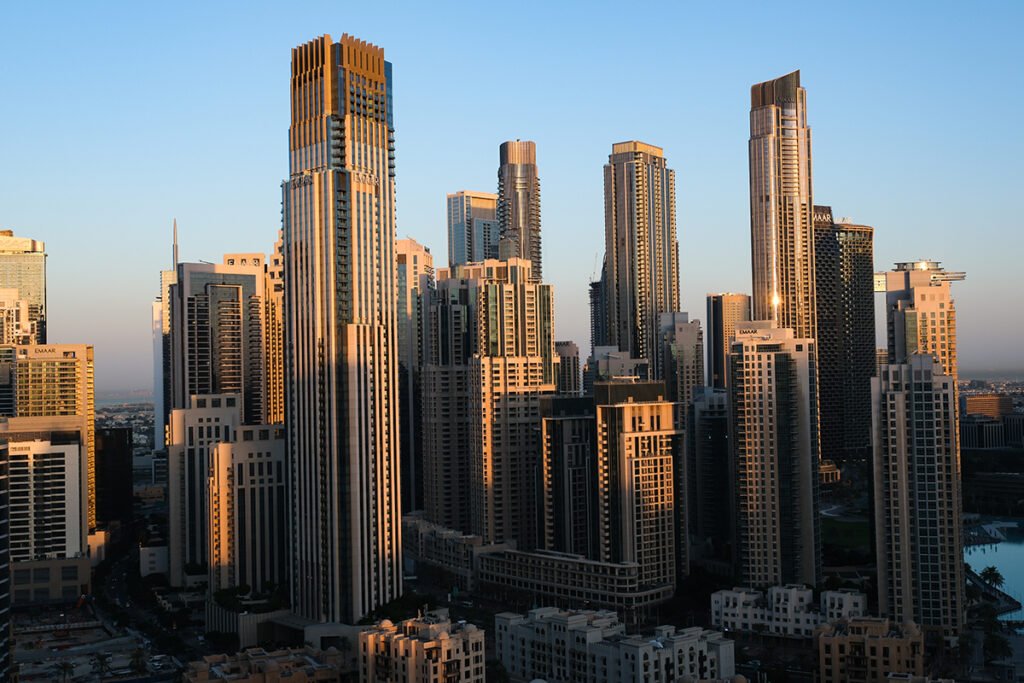
Despite the forecasted dip, Moody’s stressed that the long-term outlook for UAE property prices remains positive. The country continues to attract global talent, entrepreneurs, and high-net-worth individuals. Government policies such as the Golden Visa and corporate tax incentives will ensure steady demand for real estate.
Moreover, the UAE’s global positioning as a safe haven for wealth, its world-class infrastructure, and its role as a business hub mean that demand for housing will not disappear. Instead, the market is likely to move from a rapid growth phase to a more sustainable and balanced cycle.
For buyers and investors, the key takeaway is preparation. Those planning to purchase in the next two years may want to act sooner, before supply surges begin to impact UAE property prices. Meanwhile, long-term investors should view the coming dip not as a crash, but as an opportunity to enter the market at more attractive levels.
Developers, too, will need to adapt by offering flexible financing, focusing on quality over quantity, and diversifying into niche segments like branded residences, eco-friendly projects, and mixed-use communities.
Moody’s forecast that UAE property prices will dip from 2026 due to the delivery of 150,000 new homes is an important signal for the market. It suggests that the extraordinary boom of recent years will give way to a more sustainable growth pattern.
For buyers, this could mean more affordable entry points. For investors, it highlights the importance of timing, diversification, and long-term strategy. For developers, it underscores the need to differentiate projects in a competitive landscape.
What remains clear is that the UAE real estate market is not heading toward a collapse, but rather a natural adjustment. As the country continues to grow as a global hub, its property sector will remain one of the most dynamic and closely watched in the world.
Follow us on: Instagram
Read More:-Dubai Housing Boom Is Stoking Fears of Another Crash