Dubai real estate prices have enjoyed one of the most remarkable booms in recent history. After several years of rising values driven by strong investor demand, record-breaking transactions, and global wealth inflows, the city has positioned itself as a leading property hub. However, a new report by Fitch Ratings suggests that this momentum may not last forever. The credit ratings agency has warned that Dubai real estate prices could face a double-digit decline of up to 15 percent as supply catches up and demand cools.
This forecast signals a shift in the market cycle. While the boom years saw villa and apartment prices soar, a wave of new projects and changing global financial conditions could now weigh on growth. The report has sparked debate among buyers, investors, and developers who have all benefited from Dubai’s property surge.
Fitch Ratings is one of the world’s top financial rating agencies, and its analysis carries weight among global investors and institutions. When Fitch points to a possible 15 percent correction in Dubai real estate prices, it reflects concerns about sustainability after years of rapid appreciation.
The warning is not a call for panic but rather a reminder that real estate markets move in cycles. Dubai’s property sector has seen ups and downs in the past, and after several strong years, a slowdown or correction could be part of a natural adjustment.
Dubai’s property boom began in the aftermath of the pandemic. Wealthy individuals from around the world flocked to the city, drawn by its safe environment, tax-friendly policies, and investor-friendly visa schemes.
Between 2021 and 2023, property prices surged, with some luxury segments recording gains of over 30 percent. Villas in Palm Jumeirah, branded residences, and waterfront apartments became hot commodities, while mid-market homes also rose steadily as renters converted into buyers.
The rental market added fuel to the fire. With rents climbing rapidly, many residents opted to purchase homes, further tightening supply and accelerating price growth.
According to Fitch, several key factors explain why Dubai real estate prices may face a 10 to 15 percent drop in the coming years.
Not all parts of Dubai’s property market will be equally affected.
Luxury properties, which saw the sharpest increases, may see smaller corrections due to limited availability and continued global demand. International buyers seeking trophy homes in iconic locations like Palm Jumeirah, Emirates Hills, and Downtown Dubai are less sensitive to price dips.
Mid-market apartments and villas, however, could face more pressure. With a flood of new projects in areas such as Dubai South, Jumeirah Village Circle, and MBR City, competition among developers may lead to more competitive pricing.
Affordable housing is another segment to watch. As developers launch more budget-friendly projects, buyers may gain bargaining power, potentially leading to small price declines.
For buyers who have been waiting to enter the market, Fitch’s forecast could be welcome news. If Dubai real estate prices fall by up to 15 percent, it may create opportunities to purchase homes at better values.
This could also ease affordability challenges for residents struggling with high rents. As new units are completed and supply grows, rental increases may also stabilize, offering relief to tenants.
For investors, the potential dip brings mixed signals. While capital appreciation may slow, rental yields in Dubai remain attractive compared to many global cities. Even with a moderate decline in prices, strong rental demand could ensure healthy returns.
Investors with long-term horizons may see a correction as a chance to acquire properties at more favorable entry points. However, short-term speculators banking on continued double-digit growth may need to adjust expectations.
Dubai’s real estate market has gone through cycles before. In the mid-2000s, prices surged before the global financial crisis triggered a sharp decline. Later, Expo 2020 and government reforms helped revive demand and stabilize the sector.
This historical context suggests that while downturns are inevitable, Dubai has proven resilient in bouncing back. Government initiatives such as long-term residency visas, foreign ownership rules, and strategic infrastructure investments have ensured the city’s ongoing appeal.
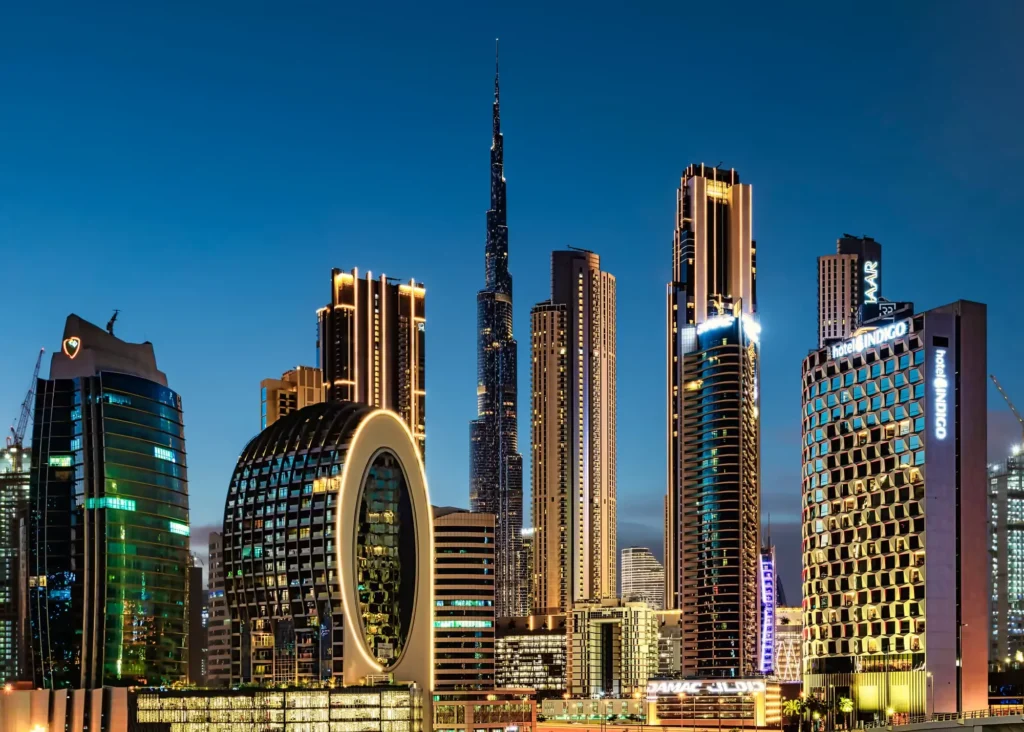
Despite the warning of a 15 percent dip, the long-term outlook for Dubai real estate prices remains broadly positive. Several factors continue to support demand:
In the bigger picture, a correction could even strengthen the market by making it more sustainable. Prices that rise too quickly often deter long-term investors. A more balanced market could attract a wider range of buyers and keep growth steady over time.
For buyers, the coming years may represent a chance to secure homes at better prices. Those who are not in a hurry could benefit from waiting to see how the market adjusts as supply increases.
For investors, the key is diversification and careful planning. While luxury properties may hold their value, mid-market segments could provide rental yields even as prices dip. Off-plan projects delivering before 2026 may still offer solid returns, while those completing later could face stiffer competition.
Developers will need to adapt to a changing landscape. With more projects completing, they may focus on differentiating offerings through quality, amenities, flexible payment plans, and sustainable design. Marketing to international buyers will also remain critical, as foreign demand continues to underpin Dubai’s real estate sector.
Dubai real estate prices may face a 10 to 15 percent decline in the coming years, according to Fitch Ratings. After years of remarkable growth, this correction would represent a natural shift in the market cycle rather than a collapse.
For buyers, it could mean more affordable opportunities. For investors, it signals the importance of long-term strategy over quick gains. For developers, it highlights the need to innovate and stand out in an increasingly competitive environment.
In the end, Dubai’s real estate market remains one of the most dynamic in the world. A short-term dip in prices may simply pave the way for more sustainable growth in the years ahead.
Follow us on: Instagram
Read More:-Dubai Housing Boom Is Stoking Fears of Another Crash