Remote work impact on UAE office space is becoming one of the most significant forces shaping the country’s commercial real estate sector. Since the COVID-19 pandemic, the way businesses use office spaces has changed dramatically. What began as an emergency shift to working from home has now evolved into a long-term restructuring of workplace demand, blending flexibility with efficiency.
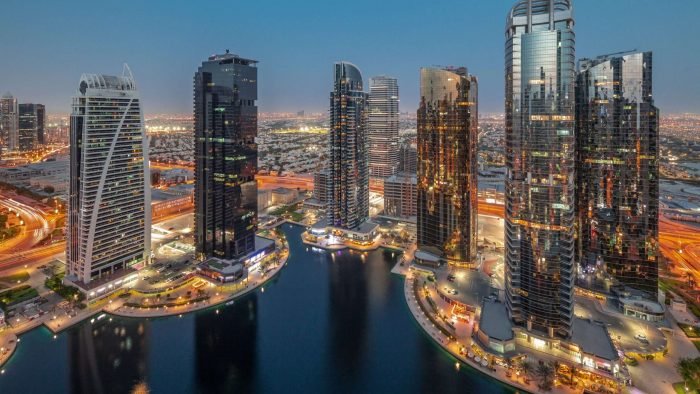
Dubai and Abu Dhabi, as the UAE’s major business hubs, are witnessing new dynamics in office demand. Traditional large-scale office leasing is giving way to hybrid models, co-working spaces, and smaller flexible offices. For landlords, developers, and investors, this shift is redefining strategies for design, leasing, and investment.
Before 2020, most UAE companies operated under traditional office-based models. Employees were expected to work from central headquarters or leased offices, often in prime locations such as Downtown Dubai, DIFC, or Abu Dhabi Global Market.
The pandemic disrupted this model, proving that remote and hybrid working structures can be just as effective. Businesses quickly realized benefits such as:
Even as the world returned to normal, many companies chose to maintain these benefits through hybrid work policies.
The remote work shift has produced several distinct trends in the UAE’s office market:
These trends indicate a shift from office as a mandatory daily workplace to a flexible resource for collaboration and networking.
For property owners and developers, the remote work wave brings both challenges and opportunities:
Those who adapt quickly by offering flexible designs and modern features are well-positioned to thrive in this new landscape.
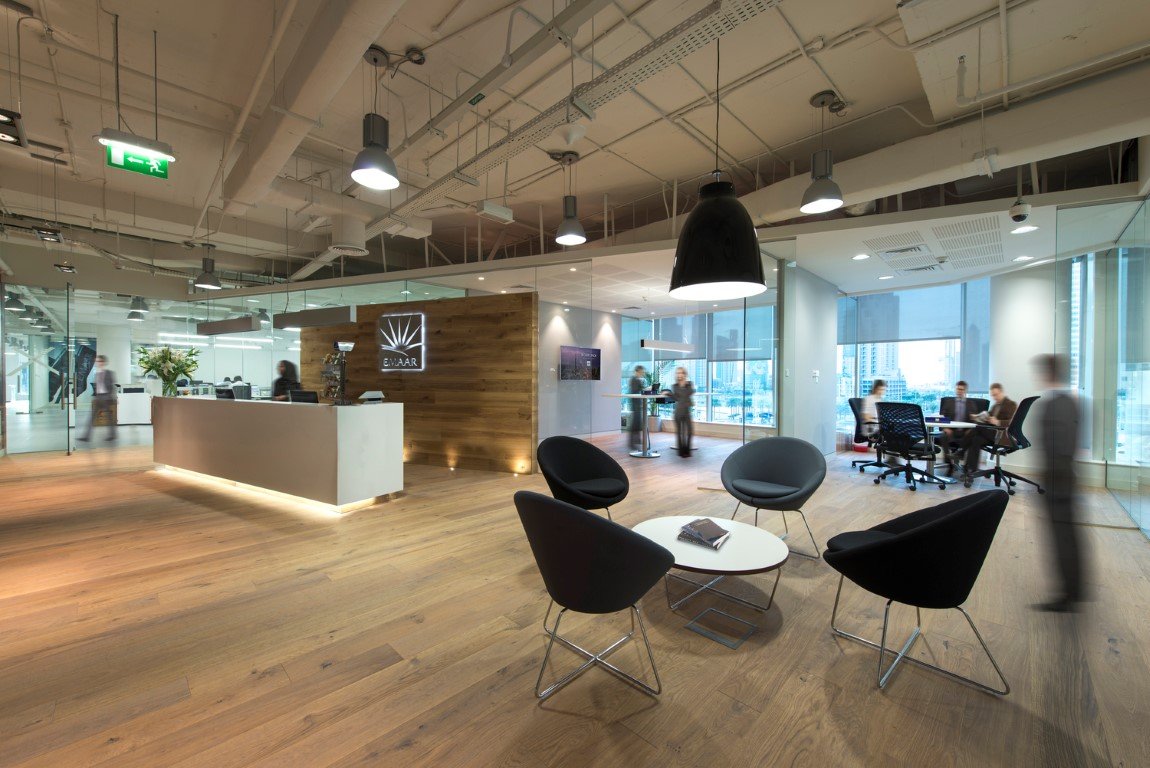
Co-working spaces have been one of the biggest beneficiaries of remote work. These shared offices provide companies and freelancers with flexible leasing, community networking, and plug-and-play infrastructure.
This shift reflects a growing preference for adaptability over long-term lease commitments.

The move away from traditional office setups also creates long-term advantages for businesses:
These benefits explain why hybrid models are expected to dominate the UAE’s office market for years to come.
The UAE government has actively supported flexible work arrangements and digital transformation. Policies that encourage remote visas, digital nomad programs, and long-term residency options have directly influenced office demand.
For instance:
These measures position the UAE as a global hub for both traditional and remote businesses.
Looking ahead, the remote work impact on UAE office space is expected to create a more diversified and resilient market:
In short, the UAE office market is not shrinking—it is evolving to meet new realities.
The remote work impact on UAE office space highlights a permanent transformation in commercial real estate. While traditional large office leases may decline, the demand for flexible, hybrid, and experience-driven workspaces is growing rapidly.
For developers, this means innovation and adaptation. For businesses, it provides new opportunities for cost savings and talent attraction. For employees, it represents a more balanced, flexible work life.
Dubai and Abu Dhabi have always been pioneers in embracing change. The rise of remote and hybrid work ensures that the UAE’s office market will continue to evolve, staying competitive and attractive on the global stage.
Follow us on: Instagram
Read More –Artificial Intelligence reshapes UAE property price trends