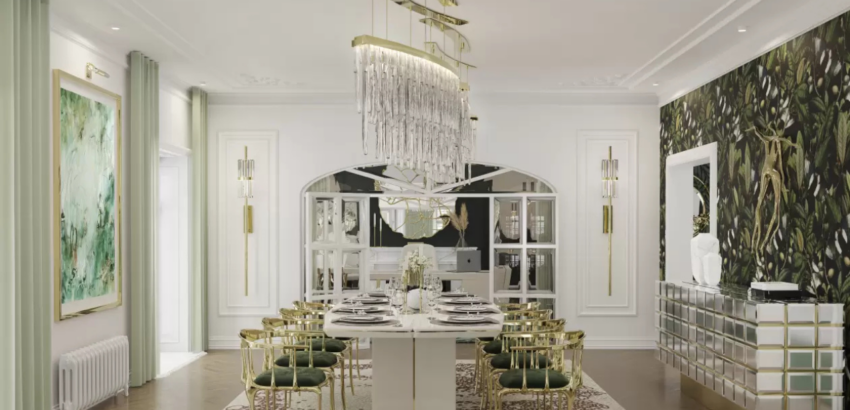
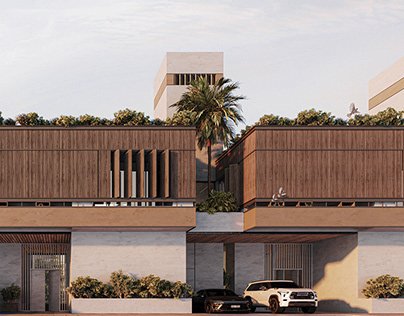
UAE housing design trends demonstrate a remarkable balance between traditional cultural elements and modern architectural innovation. In Dubai, Abu Dhabi, and other emirates, residential developments increasingly reflect a fusion of Arabic heritage, Islamic aesthetics, and contemporary functionality. This approach not only preserves cultural identity but also addresses the lifestyle expectations of modern residents and global investors.
From luxury villas to mid-market apartments, the UAE’s housing sector is pioneering designs that combine beauty, comfort, and functionality while respecting the country’s history and climate.
Why balancing tradition and modernity matters
The UAE’s real estate market caters to a highly diverse population, including Emirati families, expatriates, and international investors. Balancing traditional and modern design offers several advantages:
Cultural preservation: Retains elements of Arabic architecture, such as mashrabiya screens, courtyards, and geometric patterns.
Global appeal: Modern amenities and sleek designs attract expatriates and international buyers.
Sustainable living: Traditional elements like wind towers and shaded courtyards reduce energy consumption in hot climates.
Market differentiation: Developers can distinguish projects by integrating heritage-inspired aesthetics with contemporary lifestyles.
Community identity: Traditional motifs and layout principles foster a sense of place and belonging.
This balance ensures that housing developments are culturally meaningful, functional, and appealing to a wide audience.
Key traditional design elements in UAE housing
Several traditional features are commonly integrated into modern UAE homes:
Courtyards and central gardens: Offer natural ventilation, privacy, and family gathering spaces.
Mashrabiya screens: Decorative wooden or lattice screens that provide shade and airflow while maintaining privacy.
Arches and domes: Architectural motifs that reflect Islamic heritage and create visual identity.
Natural materials: Stone, wood, and clay are often used for walls, floors, and façades.
Neutral palettes and geometric patterns: Reflect traditional aesthetics while enhancing elegance and simplicity.
These elements preserve cultural identity while addressing the practical needs of contemporary living.
Modern design trends in UAE housing
Contemporary architecture complements traditional design by introducing:
Open-plan interiors: Enhances natural light, ventilation, and social interaction.
Smart home technology: Automated lighting, security, climate control, and energy efficiency.
Sustainable features: Solar panels, energy-efficient glazing, and water-saving fixtures.
Minimalist finishes: Clean lines, neutral tones, and uncluttered layouts.
Indoor-outdoor integration: Terraces, balconies, and landscaped gardens extend living spaces.
By blending these features with traditional motifs, architects create homes that are both culturally rich and technologically advanced.
Examples of balanced housing projects
Several developments in the UAE successfully integrate tradition and modernity:
Al Barari, Dubai: Luxury villas featuring lush gardens, courtyards, and contemporary interiors.
Saadiyat Island, Abu Dhabi: Homes incorporating Arabic motifs with modern layouts and amenities.
Al Mouj, Muscat (inspired by UAE trends): Combines waterfront living, sustainable design, and traditional aesthetics.
Arabian Ranches, Dubai: Modern villas with heritage-inspired façades and communal spaces.
These projects highlight how developers can create timeless designs that resonate with local culture and international tastes.
Benefits for developers and homeowners
Integrating tradition and modernity in housing design offers multiple advantages:
Enhanced market appeal: Attracts both Emirati families and expatriates seeking culturally sensitive yet modern homes.
Long-term value: Heritage-inspired homes often maintain strong demand and appreciation.
Energy efficiency: Traditional design elements reduce cooling needs and environmental impact.
Cultural storytelling: Homes become a medium for preserving heritage and local identity.
Community cohesion: Shared spaces and architectural identity foster a sense of belonging.
Developers who embrace this design philosophy create lasting value for both buyers and communities.
Challenges in blending traditional and modern designs
While the benefits are clear, there are challenges to achieving the right balance:
Cost considerations: Integrating handcrafted traditional elements can increase project expenses.
Design complexity: Architects must carefully harmonize old and new styles without compromising functionality.
Cultural accuracy: Misrepresentation of traditional motifs can undermine authenticity.
Regulatory constraints: Building codes and zoning regulations may limit certain design features.
Overcoming these challenges requires careful planning, collaboration with heritage experts, and innovative design solutions.
Future trends in UAE housing design
The UAE’s approach to housing design will continue evolving, influenced by sustainability, technology, and cultural awareness:
Hybrid layouts: Flexible spaces that accommodate family, work, and lifestyle needs.
Green living: Greater integration of solar energy, water recycling, and green roofs.
Smart, connected homes: Increased use of AI, IoT, and automation for convenience and efficiency.
Community-centric design: Neighborhoods with communal courtyards, parks, and shared amenities.
These trends will ensure that future developments honor tradition while meeting modern lifestyle expectations.
Conclusion: Tradition and modernity in harmony
UAE housing design trends demonstrate that tradition and modernity can coexist harmoniously. By blending Arabic heritage with contemporary architecture, developers create homes that are culturally meaningful, technologically advanced, and environmentally sustainable.
For buyers, these homes provide a unique combination of identity, comfort, and innovation. For developers and urban planners, balancing tradition with modernity ensures that the UAE’s residential landscape continues to reflect its rich heritage while embracing the future of living.