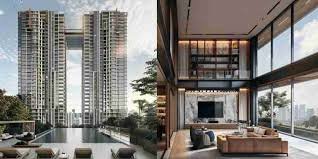
What is an Apartment? Understanding Modern Urban Living
An apartment is a self-contained housing unit within a larger multi-storey building. Designed for convenience, comfort, and efficiency, apartments have become the preferred choice for millions of people around the world who live in urban centers. They offer a balance between affordability and lifestyle while providing access to shared amenities such as gyms, swimming pools, parking, and security services.
Apartments come in various sizes and styles, ranging from compact studios to luxurious penthouses. Regardless of the type, they are typically designed to maximize space, comfort, and privacy while being part of a community environment.
The Anatomy of an Apartment
Understanding the structure of an apartment helps you appreciate why they are so popular in urban areas. Typically, an apartment consists of:
Living Area: The central space for relaxation, entertainment, and daily activities.
Kitchen: Modern apartments often have compact yet functional kitchens with the latest appliances.
Bedroom(s): Separate spaces for privacy and rest.
Bathroom(s): Equipped with essential facilities, often including showers or bathtubs.
Balcony or Terrace: Optional outdoor space for leisure, plants, or city views.
Shared spaces in apartment complexes often include lobbies, gardens, recreation rooms, and sometimes retail spaces or cafes, enhancing the sense of community.
Types of Apartments
Apartments are designed to cater to different needs and budgets. Some of the most common types include:
Studio Apartment: A single-room apartment where the living, sleeping, and kitchen areas are combined. Ideal for single individuals or minimalists.
One-Bedroom Apartment: Includes a separate bedroom, living area, kitchen, and bathroom. Suitable for singles or couples.
Two-Bedroom Apartment: Offers more space for small families or roommates.
Luxury Apartment: High-end apartments with premium finishes, amenities, and larger living areas.
Penthouse: Usually located on the top floor with extensive space, private terraces, and exclusive features.
Each type has its own advantages and caters to specific lifestyles and financial considerations.
Benefits of Living in an Apartment
Choosing apartment living comes with numerous benefits, especially for city dwellers. Some key advantages include:
Convenience: Apartments are often located near commercial centers, transport hubs, and entertainment options.
Affordability: Compared to single-family homes, apartments can be more cost-effective, especially in high-demand urban areas.
Amenities: Access to shared facilities such as gyms, swimming pools, lounges, and sometimes concierge services.
Community: Apartment complexes foster social interaction while maintaining privacy.
Maintenance: Building management often handles repairs, landscaping, and security, reducing personal responsibilities.
For people seeking a lifestyle that balances independence with convenience, apartments are often the ideal choice.
Urban Lifestyle and Apartments
Apartments are closely associated with urban living because they optimize space and efficiency in crowded cities. Modern urban apartments often focus on:
Smart Design: Open floor plans, multipurpose furniture, and efficient storage solutions.
Sustainability: Many apartment buildings now feature energy-efficient lighting, solar panels, and water-saving systems.
Connectivity: High-speed internet, co-working spaces, and smart home technology make city life easier.
Urban apartments allow residents to live closer to work, cultural centers, and social hotspots, minimizing commute times and enhancing the overall quality of life.
Factors to Consider Before Choosing an Apartment
Selecting the right apartment requires careful consideration of several factors:
Location: Proximity to work, schools, hospitals, and transportation.
Budget: Rent or purchase price, utilities, and maintenance fees.
Size and Layout: Number of bedrooms, bathrooms, and overall living space.
Amenities: Whether the building offers facilities such as parking, gym, pool, or community halls.
Security: Presence of security systems, personnel, and surveillance measures.
Making a well-informed decision ensures comfort, convenience, and long-term satisfaction.
Common Misconceptions About Apartments
Many people have preconceived notions about apartment living, but some myths are worth debunking:
Apartments are small and cramped: Modern designs often maximize space efficiently, making even small units feel open and functional.
Lack of privacy: Soundproofing, building layout, and private terraces or balconies enhance privacy.
Limited lifestyle options: Apartments today offer a wide range of amenities and social opportunities, often surpassing those in traditional homes.
Understanding the truth behind these myths helps people make informed decisions.
Investment Potential of Apartments
Apartments are not just living spaces—they are also investment opportunities. Factors contributing to their appeal as investments include:
High Rental Demand: Urban areas consistently attract tenants, ensuring a steady rental income.
Appreciation Potential: Apartments in prime locations can increase in value over time.
Diversification: Investing in apartment units offers portfolio diversification for real estate investors.
Resale Flexibility: Apartments in popular buildings often have quicker resale potential compared to other properties.
Real estate investors often target apartments for both short-term rental income and long-term capital growth.
The Future of Apartment Living
The apartment concept continues to evolve as cities grow and lifestyles change. Emerging trends include:
Micro-Apartments: Ultra-compact units designed for affordability and efficiency in crowded urban areas.
Smart Apartments: Integration of AI, IoT devices, and automation for enhanced living experiences.
Co-Living Spaces: Shared apartments offering community-focused lifestyles for young professionals and students.
Sustainable Designs: Green apartments with eco-friendly materials, solar energy, and water-saving technologies.
The future promises more intelligent, efficient, and community-oriented apartment living experiences.
Conclusion
An apartment is much more than a living space—it is a lifestyle choice designed to meet the demands of modern urban living. With various types, layouts, and amenities, apartments cater to individuals, couples, families, and investors alike.
From affordability and convenience to community and security, the benefits of apartment living make them the preferred option in cities around the world. Whether you are seeking your first home, a rental property, or a long-term investment, understanding what an apartment offers can help you make smarter, more informed decisions.
As cities continue to grow and urban lifestyles evolve, apartments will remain at the forefront of modern housing solutions, offering comfort, flexibility, and a sense of belonging in a fast-paced world.