Dubai’s real estate market offers both tenants and investors a wide spectrum of opportunities. But one question always sparks debate — should you rent or buy property in Dubai? The answer isn’t one-size-fits-all. It depends on your goals, lifestyle, and financial readiness.
As Dubai’s property landscape evolves with new developments, flexible payment plans, and changing residency laws, the decision between renting vs buying has become more nuanced than ever. Let’s break down both sides to help you decide which option truly makes sense for you.
Dubai’s real estate market has matured over the years from speculative beginnings to a regulated, investor-friendly environment. With new visa reforms, reduced transaction costs, and affordable payment options, buying property is no longer reserved for the ultra-wealthy.
At the same time, Dubai’s rental market remains strong due to the city’s transient population, global workforce, and diverse housing options. The decision between renting vs buying ultimately comes down to financial goals, stability, and lifestyle preferences.
Renting continues to be the preferred choice for a large percentage of Dubai residents. Let’s explore why it remains an attractive option.
Dubai is home to a highly mobile population. Many professionals relocate frequently for work, while others prefer exploring different neighborhoods before settling down. Renting allows residents to move freely without the long-term commitment of property ownership.
If your career or personal situation is uncertain, renting gives you the freedom to relocate quickly and avoid the risks of fluctuating property prices.
Buying property in Dubai requires a substantial financial commitment — including a 20–25% down payment, registration fees, and maintenance costs. Renting, by contrast, only requires a refundable security deposit and post-dated rent cheques.
For those still building savings or uncertain about long-term residency, renting offers an affordable and practical alternative.
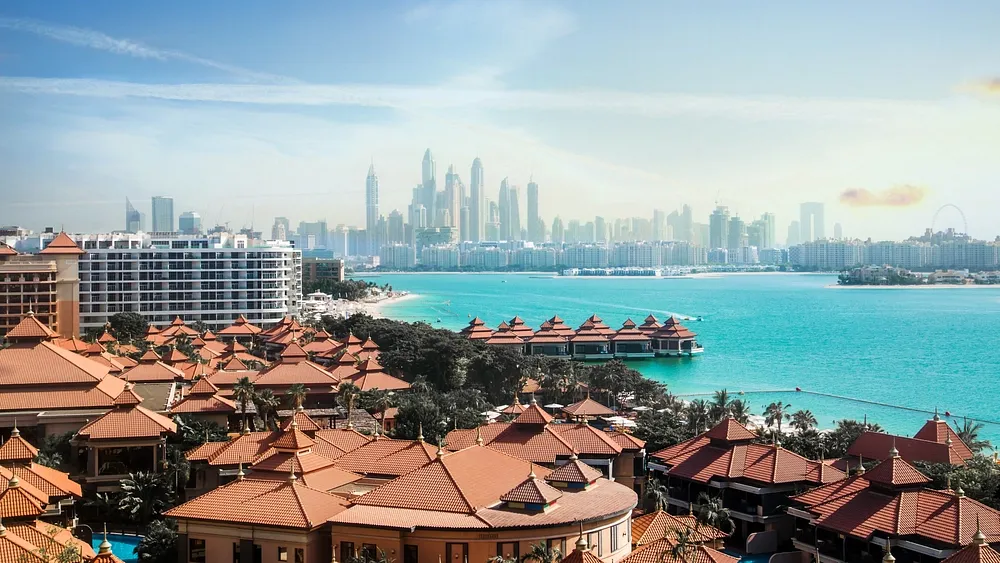
Renting can also give you access to prime communities that may be too expensive to buy in. Areas like Downtown Dubai, Palm Jumeirah, and Dubai Marina offer luxurious living options that might be out of reach for buyers but accessible to tenants.
When you rent, the landlord typically handles major maintenance and repairs. This means fewer unexpected costs and less hassle, especially in high-maintenance properties like villas or luxury apartments.
While renting offers flexibility, buying a property in Dubai is increasingly being seen as a smart long-term investment — both financially and personally.
Owning property in Dubai allows you to build equity instead of paying rent that benefits someone else. Property ownership gives you a tangible asset that can appreciate in value and generate passive income through leasing.
Dubai’s property market has shown consistent growth, especially in prime areas and master-planned communities. With the government’s commitment to infrastructure development and population expansion, real estate continues to be a safe, appreciating asset.
Buying property worth AED 1 million or more can make you eligible for long-term residency visas, depending on your investment value. This adds security and flexibility for expatriates planning to make Dubai their permanent home.
Homeownership gives you the freedom to design and renovate your space exactly how you like it. From interior finishes to landscaping, owning a property lets you personalize your environment — something you can’t fully enjoy while renting.
Even if you decide not to live in your property, you can lease it to generate steady income. With high rental yields (typically between 6–8% in popular areas), Dubai’s market offers attractive returns for investors.

Let’s look at a simplified example.
If you rent for 5 years, that’s AED 600,000 paid without ownership.
Now, consider buying an apartment for AED 1 million:
In this scenario, your monthly mortgage payment could be lower than your rent, and after 10–15 years, you’ll own the property outright — a long-term asset that may also appreciate in value.
However, property ownership also includes additional expenses like:
There’s no doubt that renting is ideal for many residents. It makes sense if you:
Renting allows you to experience Dubai’s best lifestyle offerings without being tied down to a mortgage or long-term property ownership.
Buying property becomes the smarter option if you:
Dubai’s real estate developers now offer flexible payment plans, rent-to-own schemes, and post-handover options, making property ownership accessible even for first-time buyers.
If you’re planning a short-term stay, renting is more practical. But if Dubai is your long-term base, buying allows you to save money in the long run.
Consider your savings, job stability, and ability to pay the down payment and ongoing costs. A rushed purchase can lead to financial stress.
Monitor Dubai’s real estate trends — property prices, mortgage rates, and rental yields. Buying during market dips can lead to significant gains later.
Do you value flexibility or stability? Are you starting a family, or do you prefer mobility and freedom? Your lifestyle plays a huge role in the decision.
Best Areas to Rent:
Best Areas to Buy:
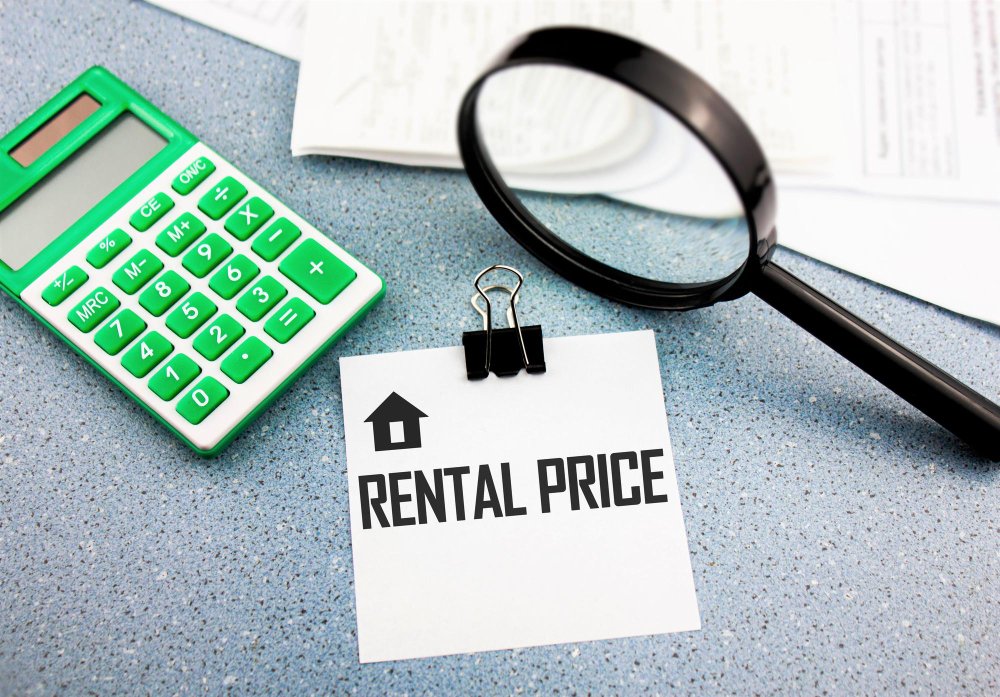
Recent government reforms have made both renting vs buying easier. Long-term visas, relaxed ownership laws for foreigners, and improved mortgage access all contribute to market confidence.
Additionally, the rise of digital tenancy contracts (Ejari) and smart property platforms have simplified rental transactions, while off-plan payment plans make property ownership more attainable than ever before.
For many residents, rent-to-own schemes offer the best of both worlds. These allow tenants to pay rent that contributes toward future property ownership. Over time, part of your rent is converted into equity, helping you gradually buy your home.
This model works perfectly for residents who want stability without immediate large investments.
Over the last decade, Dubai’s property market has matured, with more transparency and government oversight. Long-term investors have reaped significant gains, especially in established areas like Dubai Marina, Palm Jumeirah, and Downtown Dubai.
Even new suburban communities such as Dubai Hills Estate and Arabian Ranches 3 are seeing steady growth in both property value and rental yields.
If you plan strategically, property ownership in Dubai can become one of the most powerful wealth-building tools available.
The debate between renting vs buying in Dubai boils down to your lifestyle, financial goals, and future plans. Renting offers freedom, mobility, and low commitment — perfect for short-term residents and professionals. Buying, on the other hand, is a long-term wealth strategy that delivers equity, stability, and potential residency benefits.
Ultimately, there’s no universally right answer. If you see Dubai as a temporary stop, renting makes complete sense. But if you envision it as your long-term base, investing in property may be one of the smartest financial decisions you’ll ever make.
Dubai’s evolving market ensures that whether you rent or buy, you’ll find opportunities to match your ambitions — all within one of the world’s most vibrant and future-ready cities.
Do Follow Estate Magazine on Instagram