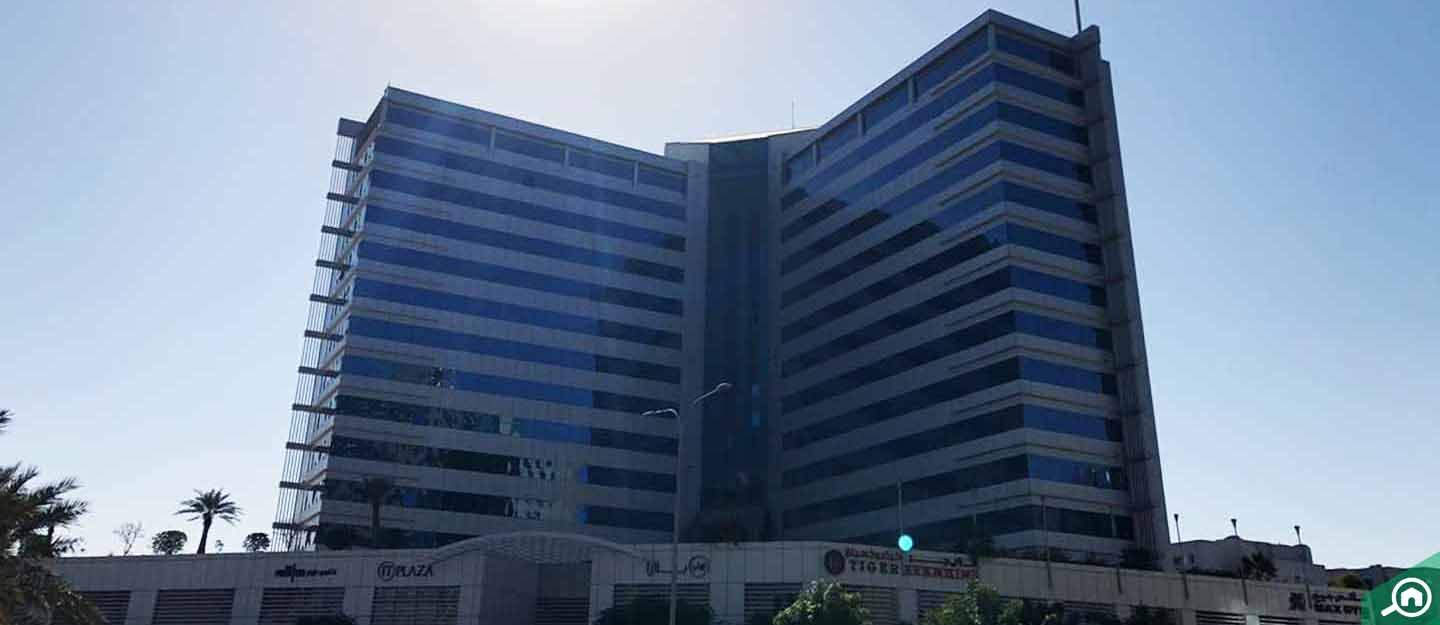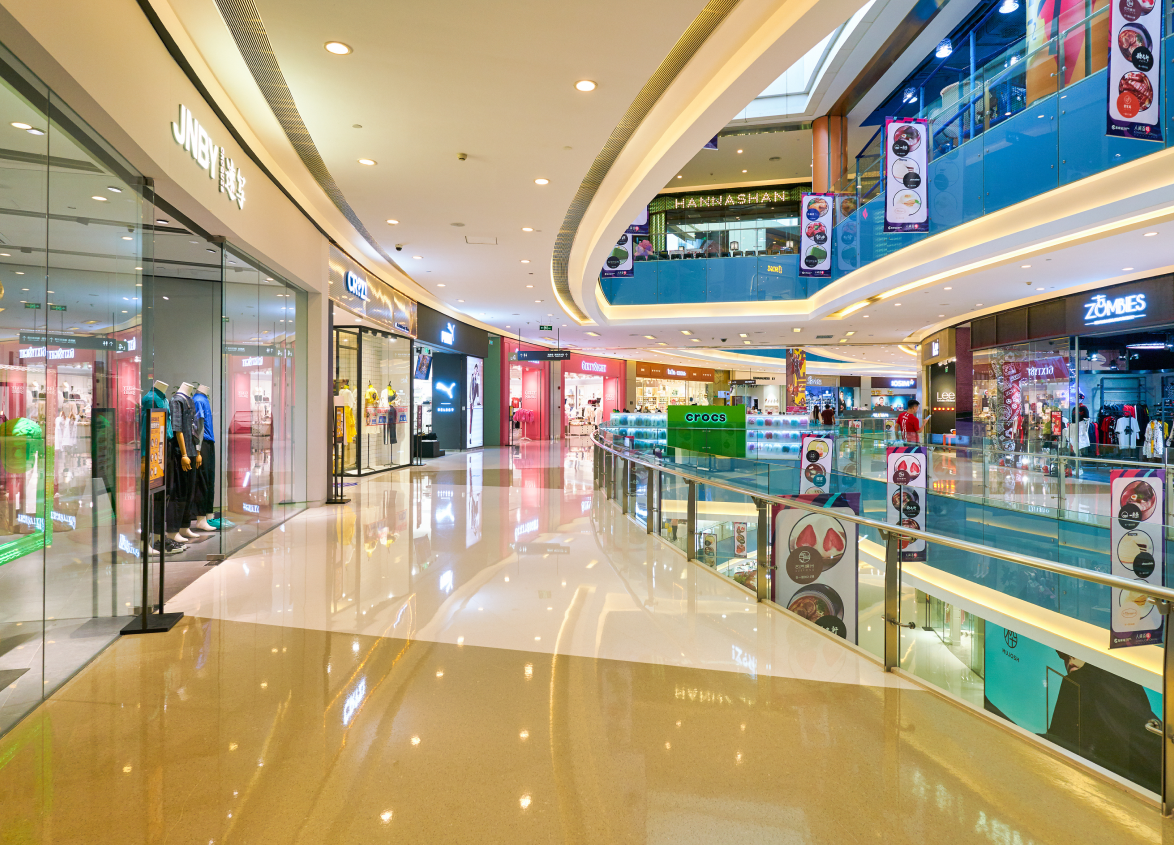
Retail real estate near tourist hotspots is a strategic goldmine for business owners. High foot traffic, a constant influx of visitors, and an international customer base make these spaces highly sought after. Yet, navigating the rental landscape can be challenging. From soaring rates to understanding peak seasons, every detail matters for maximizing return on investment. This article dives deep into everything you need to know about retail spaces near tourist hotspots, from cost trends to location advantages, helping you make informed decisions.
Tourist hotspots are more than just scenic locations—they are thriving commercial zones. Visitors not only seek experiences but are also inclined to shop, dine, and explore. This makes these areas highly profitable for retail businesses.
The main benefits include:
While these advantages are enticing, they also come with challenges such as higher rent costs and competitive markets.
Rental prices in tourist hotspots are influenced by multiple factors. Location, footfall, accessibility, and surrounding amenities all play a role. High-demand areas near iconic landmarks or bustling streets naturally demand premium rates.
Key rental considerations include:
Investors should monitor trends and consider long-term projections rather than focusing solely on short-term costs.
Not all tourist hotspots are created equal. Certain areas consistently outperform others in terms of foot traffic and sales potential. Identifying these prime locations is critical for maximizing ROI.
Examples of prime locations include:
Being strategically positioned in these zones ensures constant visibility and access to a ready customer base.
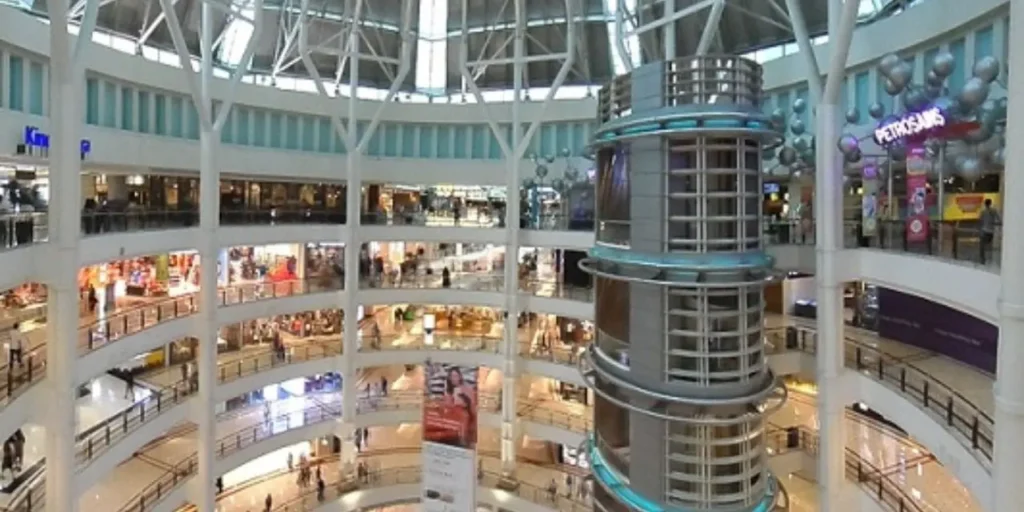
Understanding what drives rental costs can help you negotiate better deals and avoid surprises.
Major factors include:
A thorough cost-benefit analysis ensures your business remains profitable even in premium locations.
Success in high-demand tourist areas isn’t just about location; it’s about strategy. Smart retailers leverage their environment to maximize revenue.
Strategies include:
By combining location advantages with strategic marketing, businesses can significantly enhance their revenue potential.
While the advantages are clear, there are notable challenges that every business must anticipate.
Preparation and foresight can help retailers navigate these challenges while capitalizing on high-demand areas.
Effective negotiation can save costs and secure more favorable terms.
Practical tips:
Negotiating strategically ensures your investment remains sustainable even in premium zones.
A store’s location is more than just convenience—it affects how the brand is perceived. Being in a prime tourist area sends a strong message about your brand’s value and credibility.
A well-chosen retail location near tourist hotspots reinforces brand identity while driving sales.

The retail landscape in tourist areas is continuously evolving. Staying ahead of trends ensures sustained profitability.
Being adaptable to these trends ensures your retail business remains competitive and relevant.
Investing in retail spaces near tourist hotspots presents immense opportunities but requires careful planning. From understanding rental trends to leveraging strategic location advantages, success depends on combining insights with execution. Businesses that navigate the challenges smartly while capitalizing on high tourist footfall can achieve remarkable returns.
Tourist areas are more than scenic attractions—they are revenue powerhouses waiting to be tapped. Whether you are a seasoned investor or a new retailer, the key lies in selecting the right location, negotiating wisely, and aligning your offerings with tourist needs.
Do Follow Estate Magazine on Instagram
Read More:- Unlocking Business Success: Jumeirah Business Centre 3’s Strategic Edge