
In today’s fast-paced global trade environment, logistics efficiency is no longer optional; it’s essential. One of the most critical factors in ensuring smooth supply chain operations is the strategic placement of warehouses. Warehouses near ports have become a game-changer for businesses aiming to optimize storage, reduce transportation costs, and enhance operational efficiency.
Warehouses near ports offer unmatched advantages for logistics operations. Proximity to shipping terminals allows companies to reduce the time goods spend in transit, ensuring faster delivery to distribution centers or retail outlets. For businesses dealing with imports and exports, this location can significantly reduce overall shipping costs and minimize delays associated with long-haul transportation.
By positioning warehouses close to ports, companies also gain flexibility in inventory management. It becomes easier to respond to market demand fluctuations, seasonal spikes, and urgent orders without the bottlenecks that distant storage facilities can create.
1. Reduced Transportation Costs
Transporting goods from ports to inland warehouses can be expensive and time-consuming. By situating storage facilities near ports, businesses can drastically cut fuel costs, labor charges, and vehicle maintenance expenses. Shorter transit distances also reduce the risk of damages or losses during transportation.
2. Faster Turnaround Times
Time is a critical factor in supply chains. Warehouses near ports allow for quicker unloading, sorting, and redistribution of goods. This ensures that shipments reach end customers faster, improving customer satisfaction and building a competitive edge.
3. Enhanced Supply Chain Visibility
Modern port-adjacent warehouses often incorporate advanced tracking and inventory management systems. These technologies provide real-time updates on stock levels, shipment statuses, and order fulfillment, enabling better decision-making and proactive problem-solving.
4. Reduced Risk of Congestion
Ports often experience congestion due to the high volume of shipments. Warehouses in close proximity allow companies to bypass port traffic and quickly access their goods, reducing delays and improving overall operational efficiency.
When selecting a warehouse near a port, businesses should look for several key features:
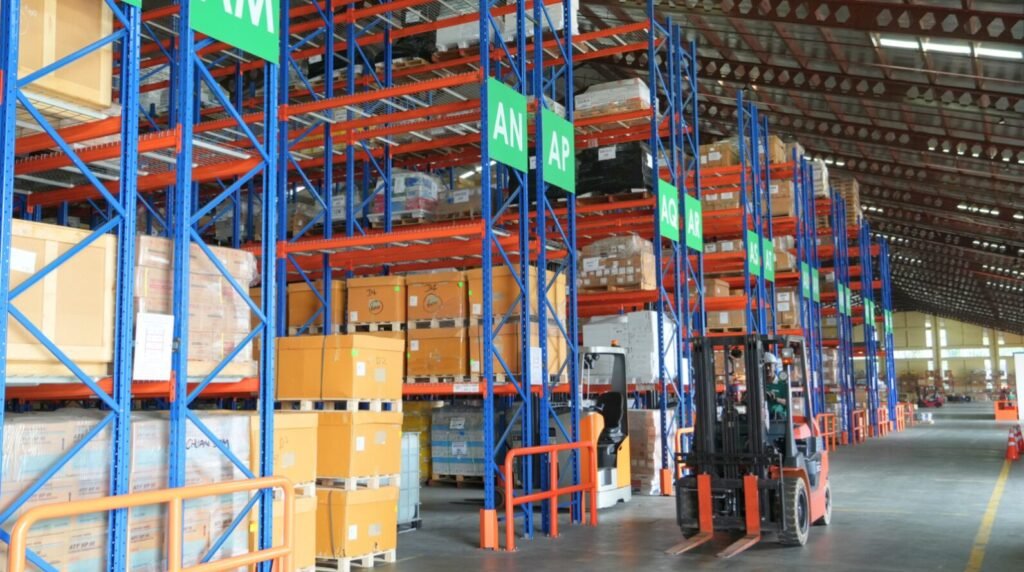
1. General Warehouses
These are versatile storage facilities suitable for a wide variety of goods. They offer flexibility in handling different types of cargo and are often equipped with basic loading and unloading facilities.
2. Cold Storage Warehouses
For perishable goods like food, pharmaceuticals, and certain chemicals, cold storage warehouses near ports are essential. Maintaining a controlled temperature ensures product quality and compliance with regulations.
3. Bonded Warehouses
Bonded warehouses allow imported goods to be stored without immediate payment of customs duties. This can provide financial flexibility and ease cash flow pressures for businesses engaged in international trade.
4. Distribution Centers
Distribution centers near ports serve as hubs for sorting, packaging, and dispatching goods. They are crucial for businesses looking to implement just-in-time inventory practices or rapid e-commerce fulfillment.
While proximity to a port is crucial, other factors also influence warehouse efficiency:
The integration of technology has revolutionized warehouse operations. Key innovations include:
As businesses become more environmentally conscious, sustainability in warehousing has gained importance. Warehouses near ports can reduce carbon emissions by cutting transportation distances. Additionally, implementing energy-efficient lighting, solar panels, and eco-friendly packaging reduces environmental impact and operational costs.
Challenge 1: Space Constraints
Port-adjacent areas are often limited in space. Multi-story warehouses and vertical storage solutions can maximize available land.
Challenge 2: Traffic Congestion
Even near ports, heavy traffic can disrupt operations. Scheduling deliveries during off-peak hours and using intelligent route planning can mitigate delays.
Challenge 3: Security Risks
High-value goods require robust security measures. Advanced surveillance systems, controlled access, and trained personnel can prevent theft and damage.
The future of port-proximate warehouses is being shaped by technology, automation, and sustainability:
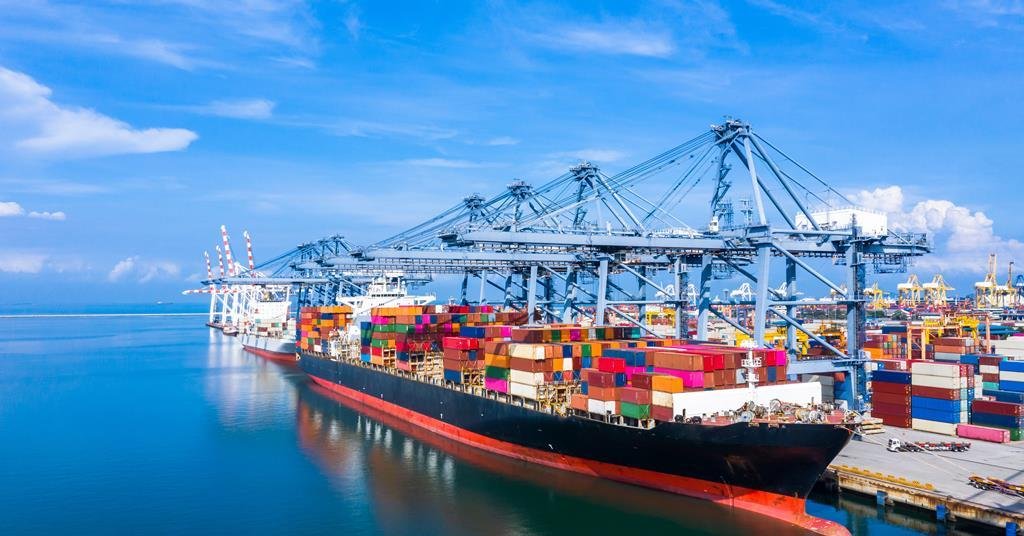
Businesses across industries are increasingly investing in warehouses near ports for several reasons:
Warehouses near ports are no longer just storage spaces; they are critical components of modern supply chains. By strategically placing warehouses close to ports, businesses can streamline logistics, reduce costs, and ensure timely delivery of goods. From small startups to multinational corporations, leveraging the benefits of port-proximate warehouses has become essential for sustainable growth and competitive advantage.
The combination of advanced technology, strategic location, and sustainable practices positions these warehouses as the backbone of efficient and resilient supply chains in the 21st century. For any business looking to thrive in global trade, investing in warehouses near ports is not just a choice—it’s a necessity.
Do Follow Estate Magazine on Instagram