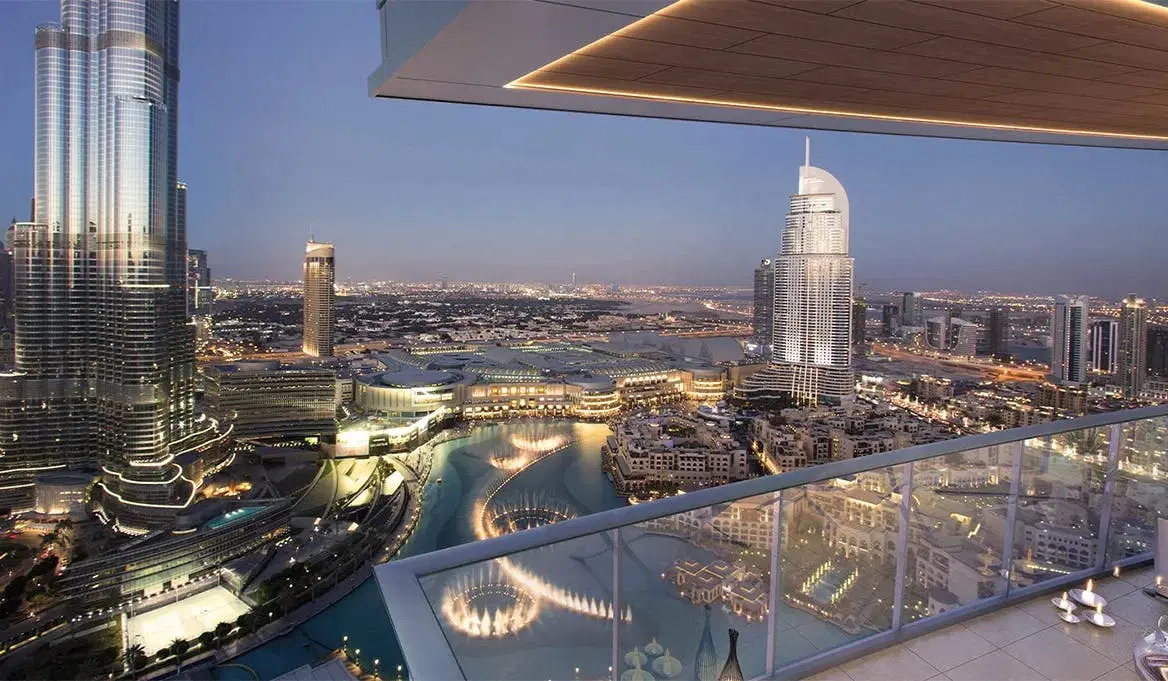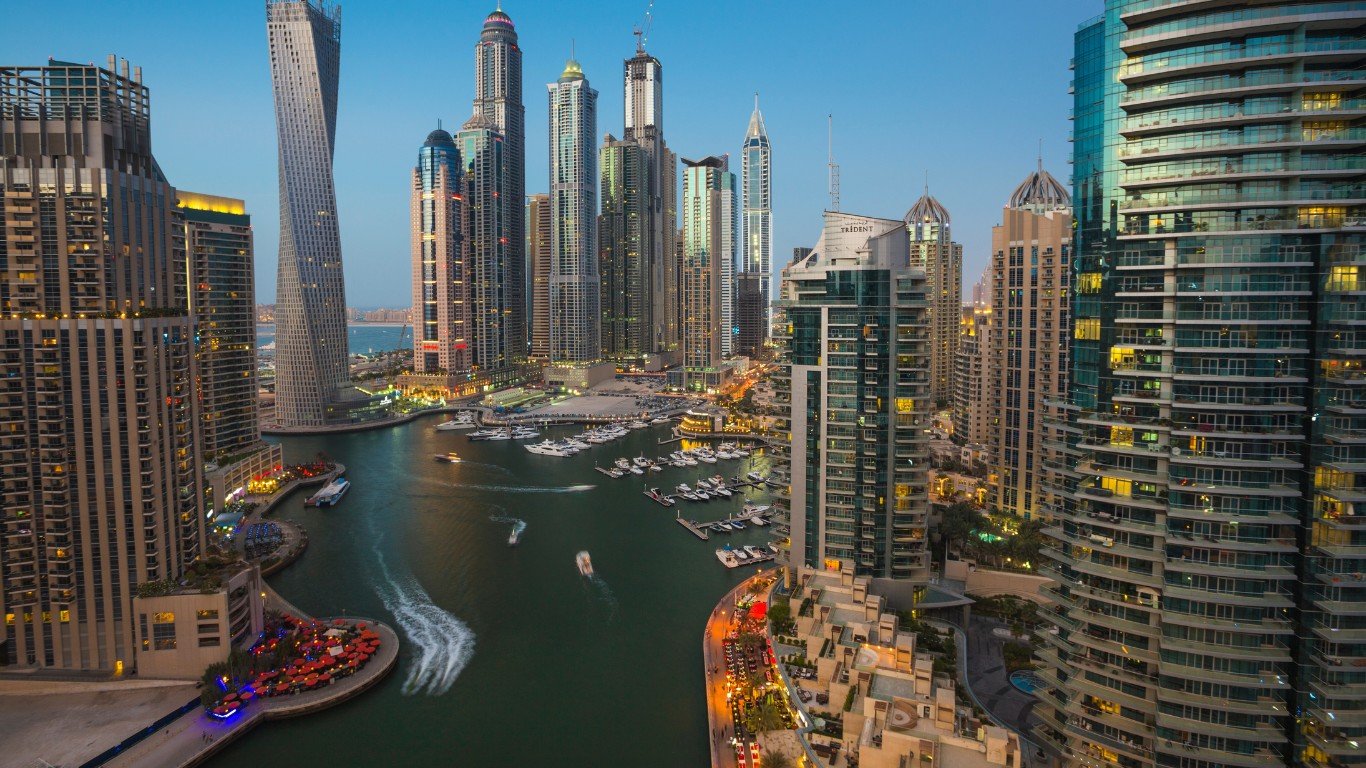
Dubai’s commercial property market has consistently been a focal point for investors, businesses, and developers worldwide. As the city evolves into a global business hub, 2026 promises a landscape full of opportunities, strategic investments, and transformative changes. Understanding the trends and dynamics shaping this market is crucial for anyone looking to invest or expand in Dubai.
The demand for premium office spaces in Dubai has been steadily increasing, particularly in districts like Downtown Dubai, DIFC, and Business Bay. International corporations and startups alike are seeking strategically located offices that offer convenience, connectivity, and prestige.
Investors are increasingly prioritizing properties with flexible layouts, modern amenities, and smart infrastructure. Companies are no longer just looking for a physical address—they want spaces that enhance productivity and brand image.
Factors driving this demand include Dubai’s tax-free policies, its business-friendly environment, and ongoing infrastructure upgrades that make commuting and connectivity seamless.
The rise of remote work and hybrid office models has changed the commercial real estate landscape. Flexible office spaces, co-working hubs, and serviced offices are no longer niche concepts—they are becoming mainstream.
These spaces appeal to startups, freelancers, and SMEs looking for affordable yet professional environments. Investors and developers are recognizing the value of incorporating flexibility into their projects, from modular office designs to customizable leases.
This trend also opens new revenue streams for landlords, who can maximize occupancy rates by offering flexible rental terms and services like meeting rooms, lounges, and event spaces.
Dubai’s retail sector, closely tied to its commercial property market, is undergoing a significant transformation. Malls, high-street locations, and mixed-use developments are adapting to changing consumer behaviors, especially after recent global disruptions.
Retail spaces with integrated entertainment, dining, and experiential elements are seeing higher footfall. Brands are looking for spaces that combine traditional retail with immersive experiences to attract a diverse audience.
For investors, this means focusing on prime locations, modern mall developments, and retail properties that offer unique value propositions beyond conventional shopping.
The growth of e-commerce, international trade, and logistics has created unprecedented demand for industrial and warehouse spaces in Dubai. Ports like Jebel Ali and strategic industrial zones have become hubs for businesses looking to optimize supply chain operations.
Investments in logistics-oriented commercial properties are increasingly attractive due to consistent demand and long-term rental agreements. As Dubai positions itself as a global trade hub, this sector is expected to continue its upward trajectory through 2026.
Smart technologies are reshaping commercial real estate in Dubai. From energy-efficient HVAC systems to AI-powered building management and IoT-integrated offices, technology is becoming a core differentiator.
Companies are prioritizing buildings with smart security, automated maintenance, and digital infrastructure that supports seamless business operations. For investors, integrating technology not only enhances property value but also attracts high-quality tenants seeking modern, efficient workspaces.
While traditional hubs like DIFC and Business Bay remain popular, emerging districts are offering lucrative investment opportunities. Areas such as Dubai South, Dubai Creek Harbour, and Al Quoz are attracting investors due to affordable pricing, large-scale development projects, and government incentives.
Early investment in these districts can yield high returns as infrastructure develops, commercial demand grows, and the city expands outward. Savvy investors are closely monitoring these areas for long-term growth potential.
Environmental consciousness is influencing the commercial property market. Sustainable, energy-efficient, and LEED-certified buildings are gaining popularity among tenants and investors alike.
Green buildings not only reduce operational costs but also enhance brand image for businesses that prioritize sustainability. This trend is expected to shape Dubai’s commercial real estate policies and investments in the coming years.
Rental trends in Dubai’s commercial property market show a steady recovery post-pandemic. Prime office locations are commanding higher rents, while flexible and co-working spaces offer competitive rates.
Investors should pay attention to market dynamics, including lease structures, occupancy rates, and demand for niche commercial spaces. Properly positioned properties in high-demand areas are likely to generate stable yields and capital appreciation through 2026.
While the Dubai commercial property market holds immense promise, it is not without risks. Oversupply in certain segments, global economic uncertainties, and shifts in work culture could impact demand.
Investors must conduct thorough due diligence, assess location potential, and understand tenant requirements. Balancing high-demand prime locations with emerging markets can help mitigate risks while maximizing returns.
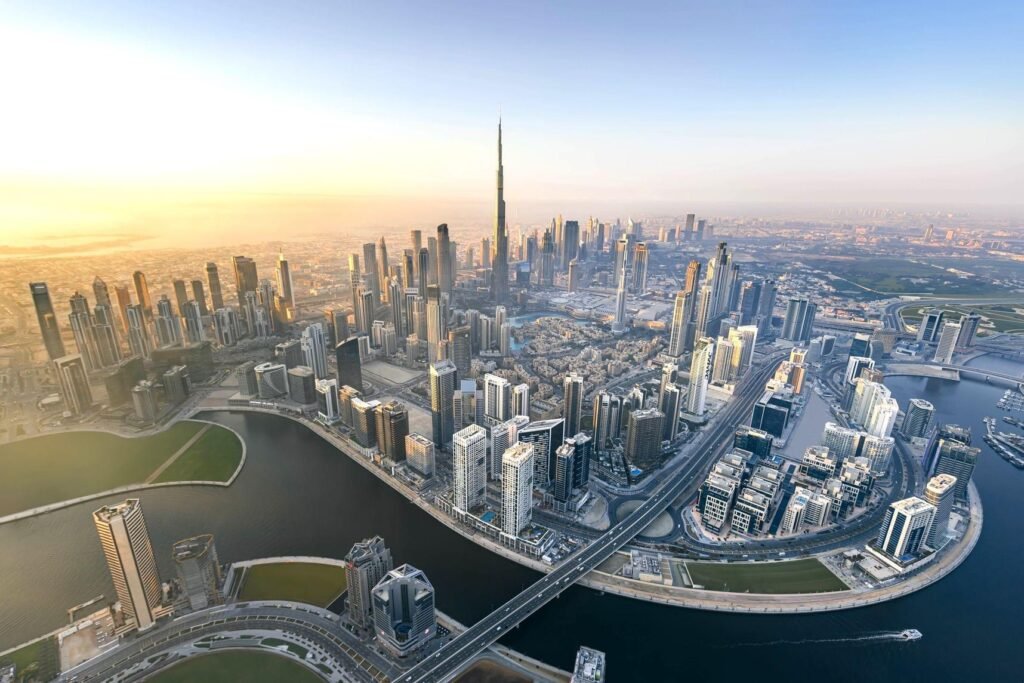
Dubai’s government has implemented numerous initiatives to support commercial real estate, from visa reforms to business-friendly policies. Programs promoting foreign investment, economic diversification, and infrastructure development contribute to a favorable environment for investors and tenants.
These initiatives create stability, enhance investor confidence, and attract international businesses, ensuring that the market remains dynamic and resilient.
Looking ahead, Dubai’s commercial property market is poised for strategic growth. Key predictions include:
Investors and businesses that understand these trends and strategically position themselves will benefit from Dubai’s evolving commercial landscape.
Dubai’s commercial property market in 2026 presents a unique blend of opportunities and challenges. Investors who focus on prime locations, technological advancements, sustainability, and emerging districts will likely achieve significant returns.
For businesses, choosing the right commercial space is not just about location—it’s about aligning with future trends, enhancing operational efficiency, and creating a professional environment that attracts talent.
Ultimately, informed decisions, proactive strategies, and a keen eye on market trends will define success in Dubai’s commercial property market as the city moves towards 2026.
Do Follow Estate Magazine on Instagram
Industrial Properties With High Capital Appreciation: Unlocking Lucrative Investment Opportunities