Why Rooftop Amenities Are Changing Office Spaces Forever
The modern workplace is evolving faster than ever, and office spaces are no longer just about desks and cubicles. Companies are seeking environments that inspire creativity, enhance employee well-being, and provide unique experiences. Rooftop amenities are emerging as a key feature that can transform a regular office into a remarkable workspace.
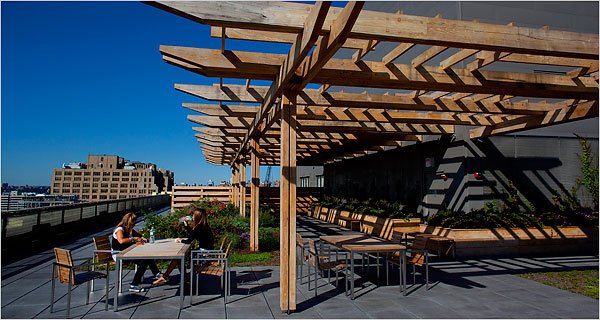
Rooftop spaces are no longer reserved for luxury hotels or penthouses. For businesses, they offer an opportunity to integrate open-air relaxation zones, collaborative areas, and recreational spaces. The benefits are multifold: employees get access to natural light, fresh air, and panoramic city views that stimulate innovation and reduce stress.
The Rise of Rooftop Work Culture
Work culture has shifted significantly in the past decade. The focus is now on work-life integration rather than separation. Rooftop office spaces perfectly embody this philosophy. These spaces encourage employees to take breaks, hold informal meetings, or even brainstorm while enjoying the outdoors.
Companies adopting rooftop amenities often see improved employee morale, creativity, and collaboration. These spaces provide a refreshing alternative to traditional meeting rooms and cubicles, encouraging a sense of community and openness.
Key Rooftop Amenities That Elevate Office Spaces
Rooftop office spaces are not just visually appealing—they are functional, practical, and strategically designed to improve productivity. Some of the key amenities include:
Green Spaces and Gardens: Rooftop gardens create a calm and serene environment that reduces stress and enhances focus. They also improve air quality and create a sustainable workspace.
Cafes and Outdoor Dining: Having a rooftop cafe or snack area allows employees to recharge without leaving the office premises. Casual dining spaces also encourage social interaction.
Open-Air Meeting Zones: Open-air conference areas or casual meeting spaces enable teams to think creatively and break the monotony of traditional indoor meetings.
Fitness and Wellness Areas: Yoga decks, small gyms, or jogging tracks on rooftops promote employee well-being and create a healthier workforce.
Event Spaces: Rooftops can double as venues for corporate events, product launches, or client entertainment, adding value to the office investment.
Benefits for Employees and Businesses Alike
Rooftop office spaces provide tangible benefits for both employees and companies. Employees experience enhanced mental and physical well-being, increased job satisfaction, and a boost in motivation. Companies benefit from higher productivity, improved employee retention, and a stronger brand image.
For Employees:
Increased access to sunlight and fresh air
Opportunity for relaxation and stress relief
Unique social and networking spaces
Better work-life balance
For Businesses:
Enhanced company image and appeal to top talent
Improved collaboration and team dynamics
Opportunities for hosting high-profile events
Potential to increase property value
Design Elements That Make Rooftop Spaces Stand Out
The appeal of a rooftop office goes beyond amenities—it lies in thoughtful design. Successful rooftop spaces are carefully designed to maximize comfort, aesthetics, and usability. Key design elements include:
Seating Arrangement: A mix of lounge areas, high tables, and casual seating encourages different types of interactions.
Shade and Shelter: Pergolas, retractable awnings, and umbrellas provide protection from harsh sunlight or rain.
Lighting: Ambient lighting ensures the rooftop is usable during evenings and creates a warm, inviting atmosphere.
Sustainable Features: Solar panels, rainwater harvesting, and green walls enhance sustainability while reducing operational costs.
Transforming Meetings and Collaboration
Traditional office spaces often limit collaboration to conference rooms or cubicles. Rooftop amenities break these barriers, fostering informal brainstorming sessions and innovative discussions. Teams can gather for spontaneous meetings, enjoy a change of scenery, and spark creativity in ways that indoor spaces cannot replicate.
Rooftop Amenities as a Recruitment and Retention Tool
In a competitive job market, rooftop amenities are more than just a perk—they’re a strategic recruitment tool. Prospective employees are drawn to offices that offer experiences beyond work. Rooftops provide an attractive edge that can make companies stand out in talent acquisition and retention efforts.
Examples of Innovative Rooftop Features
Modern offices are embracing creative approaches to rooftop spaces. Some innovative features include:
Outdoor lounges with Wi-Fi connectivity
Rooftop pools or jacuzzis for relaxation
Mini amphitheaters for presentations or performances
Interactive spaces with games like ping pong or foosball
Art installations or sculptures to inspire creativity
These unique elements turn the office into a multifunctional space, blending work and leisure seamlessly.
Challenges to Consider When Designing Rooftop Offices
While rooftop office spaces offer numerous benefits, there are challenges that companies must address:
Weather Conditions: Exposure to sun, rain, or wind requires careful planning, including shelter and drainage systems.
Safety Regulations: Adequate railings, non-slip flooring, and emergency exits are essential for employee safety.
Maintenance: Green areas, seating, and amenities require regular upkeep to remain functional and appealing.
Cost: Investment in rooftop development can be significant but offers long-term benefits in productivity and employee satisfaction.
Future Trends in Rooftop Office Spaces
The future of office design points toward sustainability, flexibility, and employee well-being. Rooftop spaces will continue to evolve with:
Smart Technology Integration: IoT-enabled seating, lighting, and climate control to optimize comfort and energy efficiency.
Biophilic Design: Incorporating natural elements like water features, plant walls, and organic shapes to enhance mental well-being.
Hybrid Work Models: Rooftops serving as flexible spaces for employees who alternate between in-office and remote work.
Community Engagement: Rooftops opening to local communities for events, pop-ups, and collaborations, strengthening corporate social responsibility.
How to Choose the Right Rooftop Office Space
Selecting the ideal rooftop office involves balancing aesthetics, functionality, and budget. Here are key considerations:
Location and accessibility for employees and clients
Type and scale of amenities based on company needs
Structural safety and compliance with building regulations
Potential for future expansion or customization
Alignment with company culture and employee lifestyle
Making the Most of Your Rooftop Office
To maximize the benefits of rooftop amenities, companies can:
Organize team-building activities or wellness sessions
Host networking events or client meetings
Encourage casual breaks and informal brainstorming sessions
Integrate sustainable practices like recycling and energy-efficient lighting
A well-utilized rooftop can become the heart of an office, where creativity, collaboration, and relaxation converge.
Conclusion: The Rooftop Revolution in Office Spaces
Rooftop amenities are no longer optional—they’re an essential aspect of modern office design. They create vibrant, inspiring, and healthy work environments that benefit both employees and businesses. By embracing rooftop office spaces, companies can elevate their work culture, enhance productivity, and leave a lasting impression on clients and employees alike.
The future of office spaces lies in open-air creativity, sustainable design, and multifunctional environments. Rooftop amenities are more than a luxury—they are a strategic investment in people, productivity, and innovation.
The modern workplace is evolving faster than ever, and office spaces are no longer just about desks and cubicles. Companies are seeking environments that inspire creativity, enhance employee well-being, and provide unique experiences. Rooftop amenities are emerging as a key feature that can transform a regular office into a remarkable workspace.
Rooftop spaces are no longer reserved for luxury hotels or penthouses. For businesses, they offer an opportunity to integrate open-air relaxation zones, collaborative areas, and recreational spaces. The benefits are multifold: employees get access to natural light, fresh air, and panoramic city views that stimulate innovation and reduce stress.
The Rise of Rooftop Work Culture
Work culture has shifted significantly in the past decade. The focus is now on work-life integration rather than separation. Rooftop office spaces perfectly embody this philosophy. These spaces encourage employees to take breaks, hold informal meetings, or even brainstorm while enjoying the outdoors.
Companies adopting rooftop amenities often see improved employee morale, creativity, and collaboration. These spaces provide a refreshing alternative to traditional meeting rooms and cubicles, encouraging a sense of community and openness.
Key Rooftop Amenities That Elevate Office Spaces
Rooftop office spaces are not just visually appealing—they are functional, practical, and strategically designed to improve productivity. Some of the key amenities include:
Green Spaces and Gardens: Rooftop gardens create a calm and serene environment that reduces stress and enhances focus. They also improve air quality and create a sustainable workspace.
Cafes and Outdoor Dining: Having a rooftop cafe or snack area allows employees to recharge without leaving the office premises. Casual dining spaces also encourage social interaction.
Open-Air Meeting Zones: Open-air conference areas or casual meeting spaces enable teams to think creatively and break the monotony of traditional indoor meetings.
Fitness and Wellness Areas: Yoga decks, small gyms, or jogging tracks on rooftops promote employee well-being and create a healthier workforce.
Event Spaces: Rooftops can double as venues for corporate events, product launches, or client entertainment, adding value to the office investment.
Benefits for Employees and Businesses Alike
Rooftop office spaces provide tangible benefits for both employees and companies. Employees experience enhanced mental and physical well-being, increased job satisfaction, and a boost in motivation. Companies benefit from higher productivity, improved employee retention, and a stronger brand image.
For Employees:
Increased access to sunlight and fresh air
Opportunity for relaxation and stress relief
Unique social and networking spaces
Better work-life balance
For Businesses:
Enhanced company image and appeal to top talent
Improved collaboration and team dynamics
Opportunities for hosting high-profile events
Potential to increase property value
Design Elements That Make Rooftop Spaces Stand Out
The appeal of a rooftop office goes beyond amenities—it lies in thoughtful design. Successful rooftop spaces are carefully designed to maximize comfort, aesthetics, and usability. Key design elements include:
Seating Arrangement: A mix of lounge areas, high tables, and casual seating encourages different types of interactions.
Shade and Shelter: Pergolas, retractable awnings, and umbrellas provide protection from harsh sunlight or rain.
Lighting: Ambient lighting ensures the rooftop is usable during evenings and creates a warm, inviting atmosphere.
Sustainable Features: Solar panels, rainwater harvesting, and green walls enhance sustainability while reducing operational costs.
Transforming Meetings and Collaboration
Traditional office spaces often limit collaboration to conference rooms or cubicles. Rooftop amenities break these barriers, fostering informal brainstorming sessions and innovative discussions. Teams can gather for spontaneous meetings, enjoy a change of scenery, and spark creativity in ways that indoor spaces cannot replicate.
Rooftop Amenities as a Recruitment and Retention Tool
In a competitive job market, rooftop amenities are more than just a perk—they’re a strategic recruitment tool. Prospective employees are drawn to offices that offer experiences beyond work. Rooftops provide an attractive edge that can make companies stand out in talent acquisition and retention efforts.
Examples of Innovative Rooftop Features
Modern offices are embracing creative approaches to rooftop spaces. Some innovative features include:
Outdoor lounges with Wi-Fi connectivity
Rooftop pools or jacuzzis for relaxation
Mini amphitheaters for presentations or performances
Interactive spaces with games like ping pong or foosball
Art installations or sculptures to inspire creativity
These unique elements turn the office into a multifunctional space, blending work and leisure seamlessly.
Challenges to Consider When Designing Rooftop Offices
While rooftop office spaces offer numerous benefits, there are challenges that companies must address:
Weather Conditions: Exposure to sun, rain, or wind requires careful planning, including shelter and drainage systems.
Safety Regulations: Adequate railings, non-slip flooring, and emergency exits are essential for employee safety.
Maintenance: Green areas, seating, and amenities require regular upkeep to remain functional and appealing.
Cost: Investment in rooftop development can be significant but offers long-term benefits in productivity and employee satisfaction.
Future Trends in Rooftop Office Spaces
The future of office design points toward sustainability, flexibility, and employee well-being. Rooftop spaces will continue to evolve with:
Smart Technology Integration: IoT-enabled seating, lighting, and climate control to optimize comfort and energy efficiency.
Biophilic Design: Incorporating natural elements like water features, plant walls, and organic shapes to enhance mental well-being.
Hybrid Work Models: Rooftops serving as flexible spaces for employees who alternate between in-office and remote work.
Community Engagement: Rooftops opening to local communities for events, pop-ups, and collaborations, strengthening corporate social responsibility.
How to Choose the Right Rooftop Office Space
Selecting the ideal rooftop office involves balancing aesthetics, functionality, and budget. Here are key considerations:
Location and accessibility for employees and clients
Type and scale of amenities based on company needs
Structural safety and compliance with building regulations
Potential for future expansion or customization
Alignment with company culture and employee lifestyle
Making the Most of Your Rooftop Office
To maximize the benefits of rooftop amenities, companies can:
Organize team-building activities or wellness sessions
Host networking events or client meetings
Encourage casual breaks and informal brainstorming sessions
Integrate sustainable practices like recycling and energy-efficient lighting
A well-utilized rooftop can become the heart of an office, where creativity, collaboration, and relaxation converge.
Conclusion: The Rooftop Revolution in Office Spaces
Rooftop amenities are no longer optional—they’re an essential aspect of modern office design. They create vibrant, inspiring, and healthy work environments that benefit both employees and businesses. By embracing rooftop office spaces, companies can elevate their work culture, enhance productivity, and leave a lasting impression on clients and employees alike.
The future of office spaces lies in open-air creativity, sustainable design, and multifunctional environments. Rooftop amenities are more than a luxury—they are a strategic investment in people, productivity, and innovation.