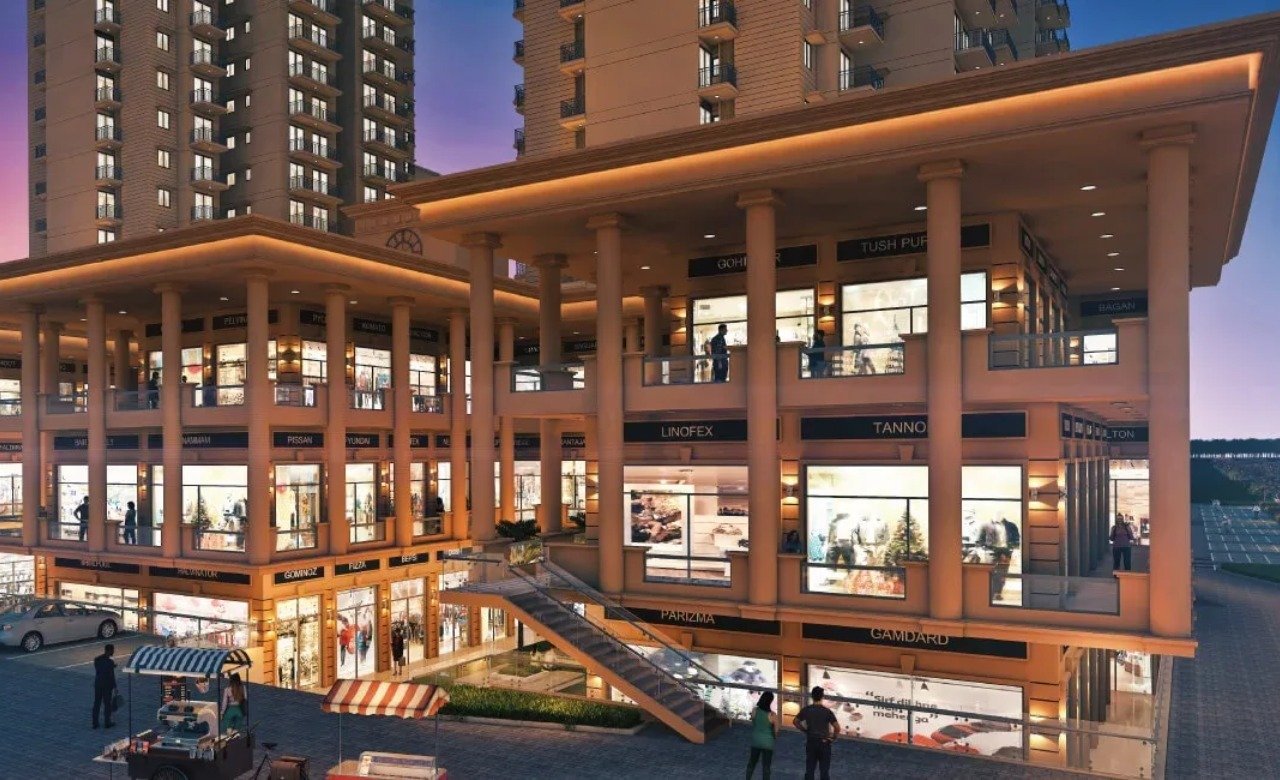
In real estate, location has always been the ultimate differentiator between a profitable investment and a stagnant one. Retail units near metro stations have become one of the most promising assets for investors looking to maximize returns while minimizing risk. With metro connectivity expanding rapidly across urban landscapes, these retail spaces enjoy the twin benefits of accessibility and constant foot traffic.
A metro station acts as an economic magnet, pulling in thousands of daily commuters, workers, and shoppers. This consistent flow of people creates a ready-made audience for retail businesses, making such locations prime choices for high-return investments.
Retail units near metro stations outperform standard commercial spaces because they combine visibility with convenience. Businesses that operate in these units benefit from walk-in customers, impulse buyers, and those seeking everyday essentials.
Moreover, these spaces are often surrounded by other amenities like offices, residential complexes, and entertainment zones — creating a vibrant ecosystem where commerce thrives naturally. The combination of transit convenience and diverse demographics ensures consistent revenue potential for tenants and long-term appreciation for investors.
The return on investment (ROI) from metro-adjacent retail properties is typically higher than other commercial segments. There are several reasons for this:
In cities with expanding metro networks, investors who recognized this trend early have already witnessed double-digit appreciation in a short span.
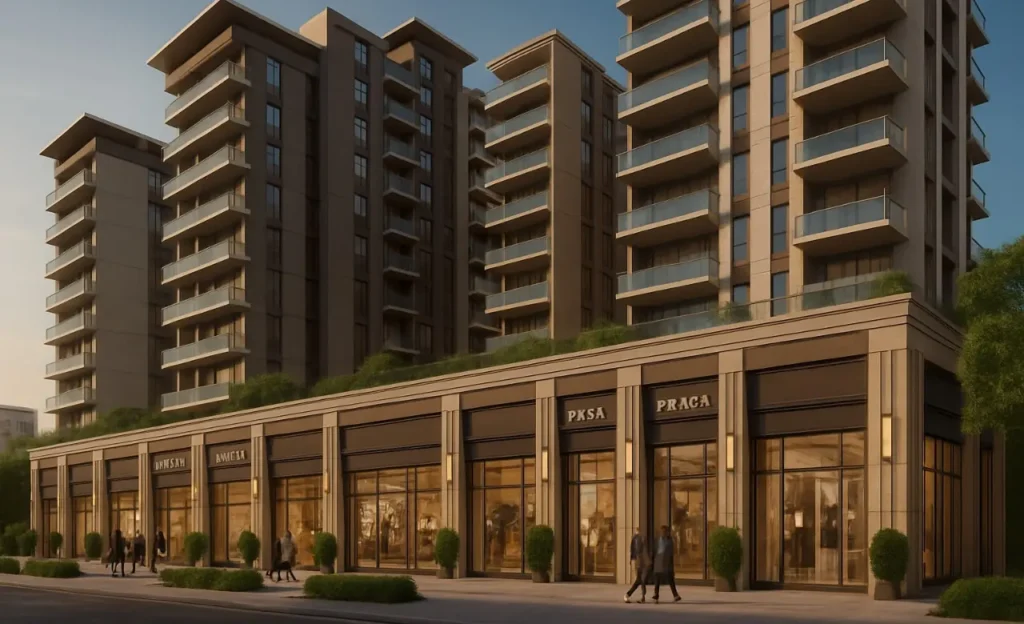
A unique factor that makes retail near metro stations so lucrative is the psychology of consumer behavior. Commuters often prefer convenience over choice — meaning they are more likely to shop, dine, or avail services near transit points. Whether it’s grabbing a coffee, purchasing essentials, or browsing through a boutique before heading home, metro-linked retail hubs thrive on convenience-based spending.
This consumer pattern ensures a predictable and sustainable revenue cycle, making the investment safer compared to standalone retail units in low-traffic areas.
Not all retail businesses flourish equally in metro-connected zones. Some types of retail units perform exceptionally well due to their relevance to commuter needs and surrounding demographics. These include:
Investors should evaluate the type of business models that align with local commuting habits and demographics before leasing or purchasing a unit.
Modern metro networks are more than just transport solutions — they are urban development catalysts. The presence of a metro station transforms surrounding areas into bustling commercial districts. Governments and developers often invest heavily in beautification, pedestrian zones, and commercial complexes near stations, increasing the overall value of nearby properties.
This ripple effect of metro infrastructure ensures sustained demand for retail spaces even during market slowdowns. As new metro lines are introduced, the demand for retail spaces around them spikes instantly, offering early investors substantial capital gains.
When compared with standalone retail properties or those located deep inside residential sectors, metro-adjacent retail units command higher rental yields — sometimes up to 20–30% more. For example, a retail unit close to a metro station in a prime city area may fetch higher per-square-foot rental rates due to its guaranteed visibility and accessibility.
Moreover, such properties experience minimal downtime between tenants. Even if one retailer vacates, another quickly replaces it, ensuring steady cash flow for investors. This consistency makes metro-linked retail assets a top choice for those seeking passive income.
Beyond immediate rental returns, the capital appreciation potential of retail spaces near metro corridors is substantial. As metro infrastructure expands and urban population density increases, the value of these spaces rises due to:
Investors who take a long-term approach can benefit from both recurring rental income and substantial resale value over time.
While the potential for high ROI is clear, investors should analyze several factors before committing capital:
A well-informed approach ensures that the investment not only generates consistent cash flow but also appreciates over time.
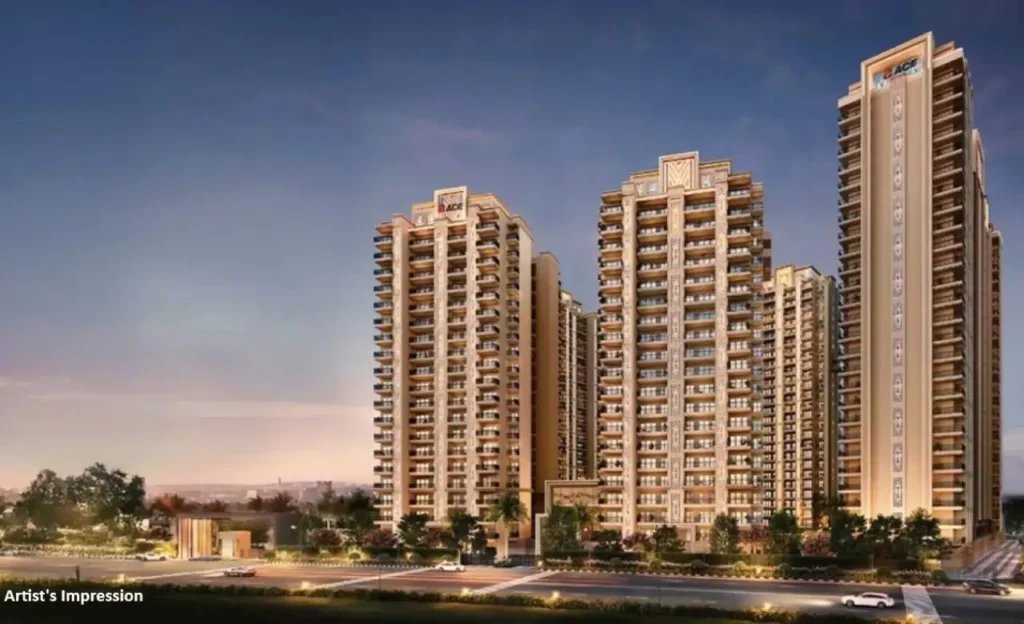
Cities across the globe are expanding metro networks at record speed, creating new hotspots for retail investments. In developing markets, where urban migration and modernization are accelerating, metro-linked retail spaces are becoming the cornerstone of smart urban planning.
For instance, areas that were once considered “fringe” are now highly sought-after due to upcoming metro connectivity. Early investors in these zones stand to gain significantly as property values climb in anticipation of new station inaugurations.
One of the most lucrative trends shaping the future of metro-connected retail is the rise of mixed-use developments — projects that combine residential, office, and retail spaces around transit hubs. These “live-work-play” ecosystems offer a holistic urban experience, ensuring constant activity and demand.
Retail units in such developments enjoy not only commuter traffic but also residents and office-goers, making them exceptionally profitable and resilient to market fluctuations.
Retail units near metro stations also align with the global shift toward sustainable urban living. As more people adopt public transportation to reduce carbon footprints, reliance on metro systems is set to increase. This ensures that the demand for retail spaces around these hubs remains consistent for decades to come.
Moreover, governments and urban planners continue to prioritize transit-oriented development (TOD), further solidifying these areas as long-term investment havens.
Investors can enhance their returns through smart management and strategic decisions:
These small but strategic steps can substantially boost long-term profitability.
Despite their appeal, metro-adjacent retail investments come with certain risks:
However, with careful due diligence, these challenges can be mitigated, making the investment relatively low-risk compared to other commercial categories.
As cities continue to evolve into interconnected urban centers, metro stations will remain at the heart of economic activity. Retail units located within walking distance of these hubs will continue to appreciate in both value and demand.
Investors who prioritize convenience-based locations and sustainable urban growth patterns will find these assets not only profitable but also future-proof. The blend of accessibility, visibility, and lifestyle convenience makes them one of the most dynamic real estate segments in modern times.
Retail units near metro stations represent a powerful blend of practicality and profitability. Their unmatched location advantages, steady footfall, and long-term appreciation potential make them a must-have in any diversified real estate portfolio.
For investors seeking assets that deliver consistent rental income, rapid value appreciation, and minimal vacancy risks, metro-connected retail properties stand as a beacon of opportunity in the evolving urban real estate landscape.
Do Follow Estate Magazine on Instagram