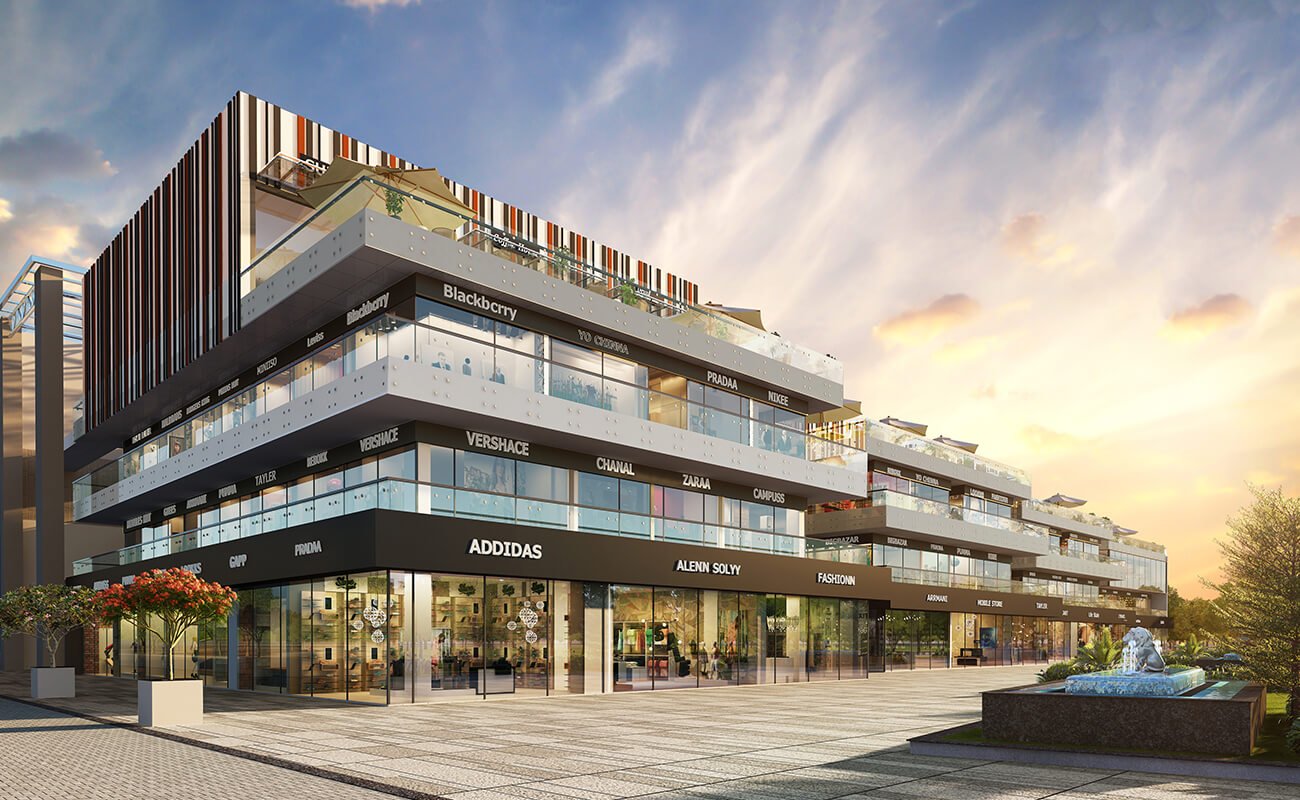
Investing in retail spaces has long been a popular choice among real estate investors who seek stable returns and consistent cash flow. But not all retail properties are created equal. Some spaces deliver exceptional rental yields, while others struggle to maintain profitability. Understanding what drives higher yields, where to invest, and how to manage these properties effectively can turn a good investment into a great one.
This guide explores how investors can identify retail spaces with maximum rental yields and make informed decisions that lead to long-term success.
Rental yield is a key metric that determines the profitability of a property. It measures how much rental income a property generates compared to its total value. In simple terms, rental yield = (Annual Rental Income / Property Value) × 100.
Retail spaces, such as shops, showrooms, and commercial plazas, often provide higher yields than residential properties. This is primarily due to longer lease terms, stable tenants, and business-driven demand. However, maximizing yield requires more than just location—it involves strategic planning, tenant selection, and understanding market dynamics.
Retail real estate has a unique advantage over other asset classes. When managed effectively, it offers a balance between risk and reward that few other investments can match.
1. Long-Term Leases: Most retail tenants prefer stability, signing leases that span multiple years. This ensures a predictable income stream for landlords.
2. Inflation-Proof Returns: As inflation rises, rental values tend to increase, allowing investors to maintain or even grow their purchasing power over time.
3. Strong Footfall Areas: Retail spaces located near high-traffic zones—such as malls, transit hubs, or popular neighborhoods—attract consistent customer flow, leading to stable tenancies and better rent appreciation.
4. Value Appreciation: Commercial zones often see higher value growth than residential areas, especially when urban development or infrastructure projects enhance connectivity.
High rental yields are not accidental—they are the result of thoughtful investment choices. Below are key factors that influence yield performance in retail spaces.
1. Prime Location
Location remains the number one factor in determining rental yield. Retail spaces near transportation nodes, business districts, or tourist attractions usually command higher rents.
2. Visibility and Accessibility
Shops with good visibility from main roads or pedestrian streets perform better. Easy access for customers and deliveries is a major attraction for businesses.
3. Tenant Mix and Profile
A healthy mix of tenants enhances a property’s reputation and draws more customers. Anchor tenants like banks, supermarkets, or branded retailers increase property value and rental stability.
4. Property Size and Layout
Efficiently designed spaces with flexible layouts attract a wider range of tenants. Smaller units in high-demand areas often achieve better yields per square foot.
5. Economic Growth and Local Demand
Strong economic performance in the surrounding area fuels retail spending and business expansion, directly boosting rental demand.
6. Lease Terms and Escalation Clauses
Leases with annual rent escalations ensure that returns keep pace with market trends. Investors should focus on long-term agreements with reliable tenants.
While yields vary depending on the economy, infrastructure, and demand, certain markets consistently outperform.
1. Dubai
Dubai’s retail sector thrives on tourism and luxury shopping. Areas like Downtown Dubai, Business Bay, and Jumeirah offer high-yield opportunities with strong tenant demand.
2. Singapore
Singapore’s Orchard Road and Marina Bay retail zones attract both local and international brands, ensuring consistent rental growth and low vacancy rates.
3. London
Prime high streets like Oxford and Regent Street deliver stable yields due to global retailer presence and strong consumer spending.
4. Mumbai and Delhi NCR
In India, commercial hubs like Bandra Kurla Complex and Connaught Place remain hotspots for investors seeking high retail rental yields.
5. New York
SoHo, Fifth Avenue, and the Meatpacking District are known for premium retail spaces that command top rents and strong capital appreciation.
Investors should look beyond just price and focus on long-term viability. Here are practical steps to evaluate a retail property’s earning potential.
1. Study Local Footfall Patterns
High customer traffic equals higher sales potential for tenants, which translates into stable rent for landlords. Observe footfall trends at different times of the day.
2. Analyze Competitor Presence
Areas with complementary retail outlets—like restaurants, cafes, and fashion stores—tend to attract consistent crowds.
3. Evaluate Lease History
A property that has consistently attracted tenants without long vacancies is a positive indicator of its market strength.
4. Check Infrastructure Developments
Upcoming metro lines, new highways, or nearby residential projects can drastically improve property desirability and yields.
5. Consult Market Experts
Engage local real estate agents or property consultants who understand market dynamics and can provide yield comparison data.

Even prime retail spaces can underperform if certain pitfalls are ignored.
1. Overpricing Rent
Setting rent too high may discourage potential tenants, leading to long vacancy periods and lost income.
2. Ignoring Maintenance
Poor maintenance can drive tenants away. Regular upkeep ensures tenant satisfaction and helps retain long-term occupants.
3. Selecting Unreliable Tenants
A tenant’s business model should align with the area’s demand. Unreliable tenants may default on payments, affecting cash flow.
4. Neglecting Lease Flexibility
While long leases provide stability, rigid terms can limit opportunities to renegotiate higher rents during market booms.
5. Poor Market Research
Investing without analyzing competition, demographics, and purchasing trends can lead to low occupancy rates and poor yields.
To achieve high rental yields, investors must focus on both short-term revenue and long-term appreciation.
1. Renovate and Modernize
Upgrading lighting, interiors, and façade designs can significantly improve property appeal and justify higher rent.
2. Use Data Analytics
Track tenant performance, customer footfall, and rent trends to make informed lease decisions.
3. Diversify Tenant Portfolio
Mix retail categories like fashion, food, and lifestyle to maintain steady visitor engagement throughout the day.
4. Negotiate Escalation Clauses
Incorporating annual rent increases of 5-10% ensures your income grows steadily over time.
5. Engage a Professional Property Manager
Experienced managers can handle tenant relations, maintenance, and rent collection efficiently—maximizing yield and minimizing stress.
The digital era has transformed commercial property management. Smart investors now use technology to increase transparency, efficiency, and profitability.
1. Proptech Platforms
Online listing and leasing platforms allow landlords to find tenants faster and streamline documentation.
2. Smart Energy Systems
Integrating energy-efficient lighting and HVAC systems reduces operational costs, attracting eco-conscious tenants.
3. Data-Driven Insights
AI tools analyze rental trends and predict optimal pricing based on demand, location, and competition.
4. Virtual Tours
3D walkthroughs help market spaces to a global audience, especially useful for international investors.
The retail real estate sector is constantly evolving, shaped by technology, consumer behavior, and global market shifts.
1. Rise of Experiential Retail
Modern consumers prefer experiences over transactions. Spaces that integrate entertainment, dining, and digital engagement will attract premium tenants.
2. Shift Toward Mixed-Use Developments
Retail integrated with residential and office spaces creates convenience and drives consistent footfall.
3. Sustainability and Green Design
Eco-friendly buildings not only attract tenants but may also qualify for government incentives and lower taxes.
4. Growth of Neighborhood Retail
Post-pandemic consumer behavior favors local convenience stores and community shopping hubs, offering new investment avenues.
5. Flexible Leasing Models
Pop-up shops and short-term leases cater to emerging brands and seasonal businesses, ensuring continuous occupancy.

Strong returns require smart financing strategies.
1. Evaluate Loan Options
Commercial property loans often differ from residential ones, with higher interest rates but flexible repayment terms.
2. Consider Joint Ventures
Partnering with other investors helps share risk and increase access to premium locations.
3. Optimize Leverage
Balancing equity and debt ensures steady cash flow while maintaining manageable repayment obligations.
4. Monitor Interest Rates
Interest fluctuations can impact profitability. Fixed-rate loans may provide more stability for long-term investments.
Diversification remains the cornerstone of a successful real estate portfolio. Investors should balance between high-yield retail units, long-term commercial properties, and low-risk assets.
1. Mix Property Types
Include both high-footfall retail stores and steady long-term leased outlets.
2. Geographical Spread
Invest across multiple cities or countries to reduce exposure to local economic downturns.
3. Continuous Reinvestment
Reinvesting profits into property upgrades or new acquisitions ensures compounding growth and sustained returns.
Retail spaces with maximum rental yields are not merely a result of luck—they’re the outcome of strategic choices, research, and foresight. The best investors understand that beyond location, it’s about the synergy between tenant mix, market timing, and effective management.
As cities expand and consumer behaviors evolve, the retail sector remains one of the most resilient and rewarding segments of real estate. By focusing on prime locations, maintaining property quality, and adapting to market shifts, investors can unlock the full potential of retail spaces and secure consistent, high-yield returns for years to come.
Do Follow Estate Magazine on Instagram