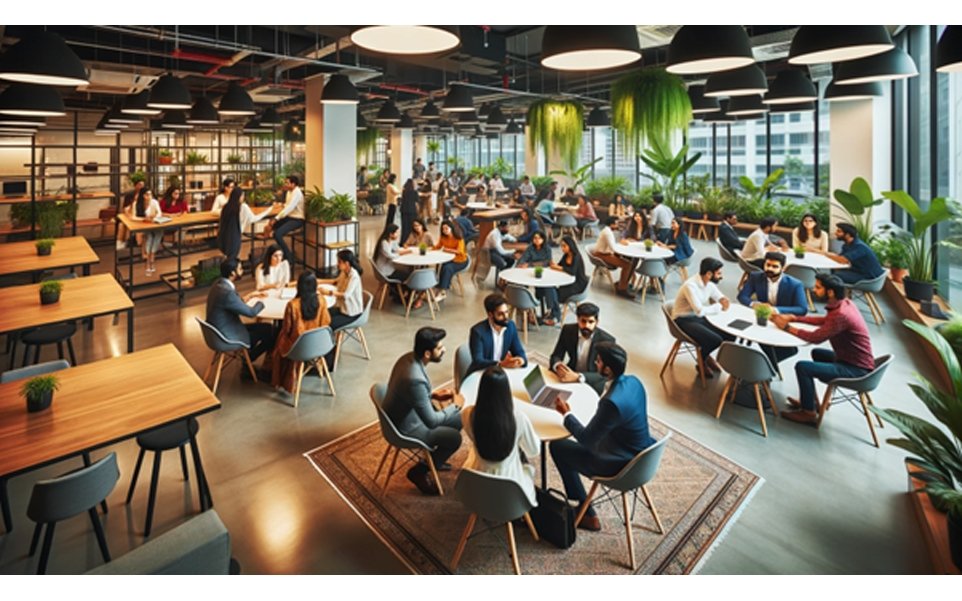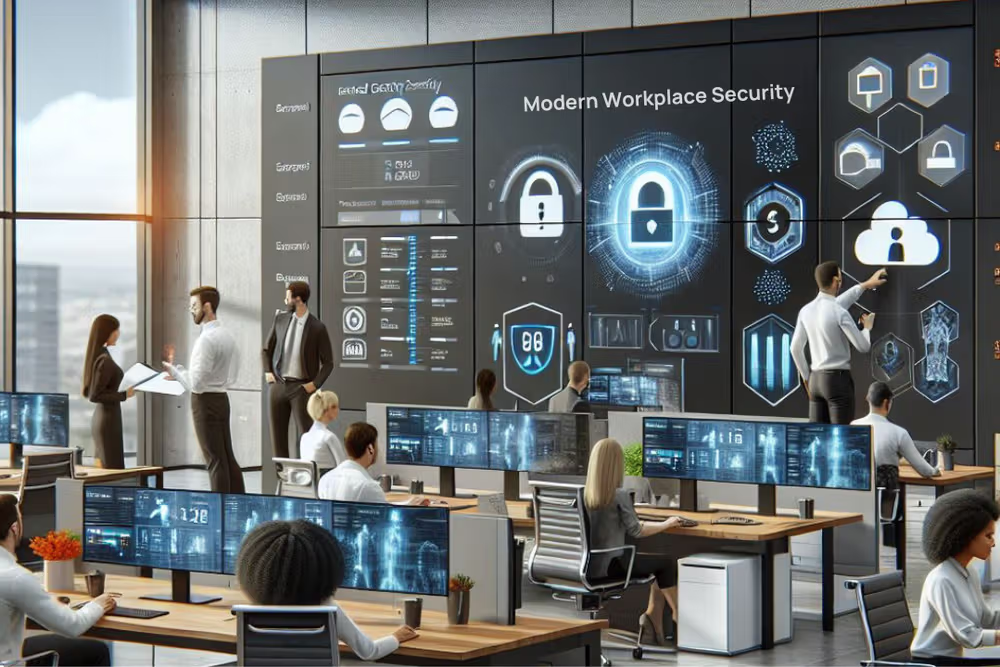
Workplaces have evolved dramatically over the past decade. Gone are the days when an office’s security meant just a lock and key. Today, technology has redefined safety standards, integrating advanced systems like AI surveillance, biometric access, and smart monitoring solutions. Modern businesses are now investing in smart security features not just to protect assets but also to create safer, more efficient, and more intelligent work environments.
With the rise of hybrid work models and flexible spaces, companies are recognizing that physical and digital security must go hand in hand. From automated entry systems to AI-driven incident alerts, smart security has become the silent guardian of every modern workspace.
The workplace of today is no longer confined to traditional office setups. Remote working, shared workspaces, and cloud-based systems have expanded the boundaries of security risks. Businesses are facing a new wave of challenges, including data breaches, unauthorized access, and physical threats.
Implementing smart security systems allows companies to:
The goal is not just to deter theft or unauthorized access, but to establish a proactive approach that safeguards both people and data within the workspace.
As the demand for smarter, safer offices increases, developers and property managers are adopting next-generation security solutions designed to enhance convenience and peace of mind. Let’s explore the top features making offices safer and smarter.
Biometric systems, such as fingerprint scanners and facial recognition devices, have become the gold standard in access control. They eliminate the need for physical keys or ID cards, reducing the chances of unauthorized entry.
Employees can gain access within seconds, and management can monitor who enters or exits the premises in real time. This not only tightens security but also streamlines attendance tracking and visitor management.
CCTV cameras have been a part of office security for years, but smart cameras powered by artificial intelligence are transforming the game. These cameras can detect unusual movements, identify unrecognized faces, and even send real-time alerts to security teams.
AI analytics also help in reviewing footage more efficiently, detecting patterns of suspicious behavior, and preventing potential incidents before they occur.
Traditional locks are being replaced with smart locks that can be controlled remotely through mobile apps or centralized systems. Managers can grant or revoke access instantly, ensuring that security remains intact even in flexible or co-working setups.
This technology proves especially useful for businesses that operate on rotating schedules or have multiple entry points.
In a smart office, visitor check-ins are handled digitally. Guests can pre-register their visit, receive QR codes, and enter the premises seamlessly. The system automatically logs their entry and exit, reducing manual paperwork and improving security oversight.
This not only improves efficiency but also enhances the professional experience for visitors, aligning with a company’s image of modernity and organization.
Motion sensors, heat detectors, and smart alarms play an essential role in maintaining 24/7 vigilance. These devices can detect unusual activity, such as unauthorized access after hours or unexpected temperature changes that may indicate fire hazards.
When connected to a centralized dashboard, these systems can automatically alert emergency services or trigger an immediate evacuation protocol.
Cloud technology has brought convenience and control to a whole new level. Office managers can monitor security footage, manage access permissions, and analyze threat reports remotely from any device.
Cloud-based systems also ensure that data is backed up securely, minimizing the risk of tampering or data loss.
As physical and digital worlds converge, cybersecurity integration within smart office systems is critical. Firewalls, encrypted networks, and AI-based intrusion detection ensure that sensitive business information remains secure.
This holistic approach ensures that no security layer operates in isolation, providing complete protection from both physical and virtual threats.
Investing in smart security technologies offers much more than just peace of mind. It enhances overall business efficiency, employee confidence, and operational transparency.
Knowing that their workplace is equipped with advanced safety measures boosts employee confidence and morale. From safe parking areas to secure office floors, every layer of smart security contributes to a sense of protection.
Automated systems reduce the burden on human security staff, minimizing errors and ensuring continuous monitoring. Real-time alerts and analytics help management make quicker, data-driven decisions.
While initial installation costs may be high, smart systems significantly reduce maintenance and manpower expenses. The ability to predict and prevent incidents also cuts down potential losses and insurance costs.
A secure environment fosters focus. Employees can concentrate better when they don’t have to worry about safety or disruptions. Furthermore, automation eliminates repetitive administrative tasks, allowing staff to dedicate their energy to productive work.
Modern businesses that prioritize safety and technology project a forward-thinking image. This enhances trust among clients, partners, and employees, strengthening the company’s overall brand reputation.
Co-working spaces have become a hallmark of modern entrepreneurship, offering flexibility and community-driven environments. However, with multiple companies sharing one space, maintaining robust security becomes challenging.
Smart systems solve this problem through:
These solutions make shared offices both secure and convenient, setting new standards for flexible workspace management.
The Internet of Things (IoT) has connected every device, transforming how office environments operate. From smart locks to environmental sensors, IoT enables devices to communicate and respond to one another intelligently.
For instance, when an employee enters a room, the system can automatically unlock the door, adjust lighting, and activate climate control settings based on personalized preferences. Simultaneously, security cameras and sensors track the activity to ensure safety without invading privacy.
IoT-driven analytics also allow businesses to study movement patterns, identify inefficiencies, and strengthen weak points in security protocols.
One concern that often arises with advanced surveillance is the question of privacy. Smart offices must ensure that security measures do not feel intrusive.
This balance can be achieved by:
A transparent security policy ensures employees feel protected, not monitored.
Transitioning from traditional systems to smart security can seem daunting, but it’s achievable with the right approach. Businesses should start by assessing their specific needs and vulnerabilities.
Here’s a practical roadmap for implementation:
The future of workplace security is data-driven and predictive. Technologies like AI, machine learning, and blockchain will further enhance reliability and transparency.
Some key trends to watch include:
As these innovations mature, the line between technology and security will blur completely, leading to workplaces that are not only safe but self-regulating.
Smart security is no longer a luxury—it’s a business imperative. In an era where data, assets, and human capital define organizational value, creating a secure workspace demonstrates commitment to both safety and innovation.
Offices equipped with advanced security systems are not just protecting their infrastructure—they’re investing in productivity, trust, and future growth. Whether it’s through biometrics, AI cameras, or cloud-based management, smart security is paving the way for workplaces that are efficient, intelligent, and resilient.
The future of work belongs to spaces that think, react, and protect in real time—and smart security is leading that revolution.
Do Follow Estate Magazine on Instagram
Retail Units Near Metro Stations: The Hidden Goldmine for High ROI