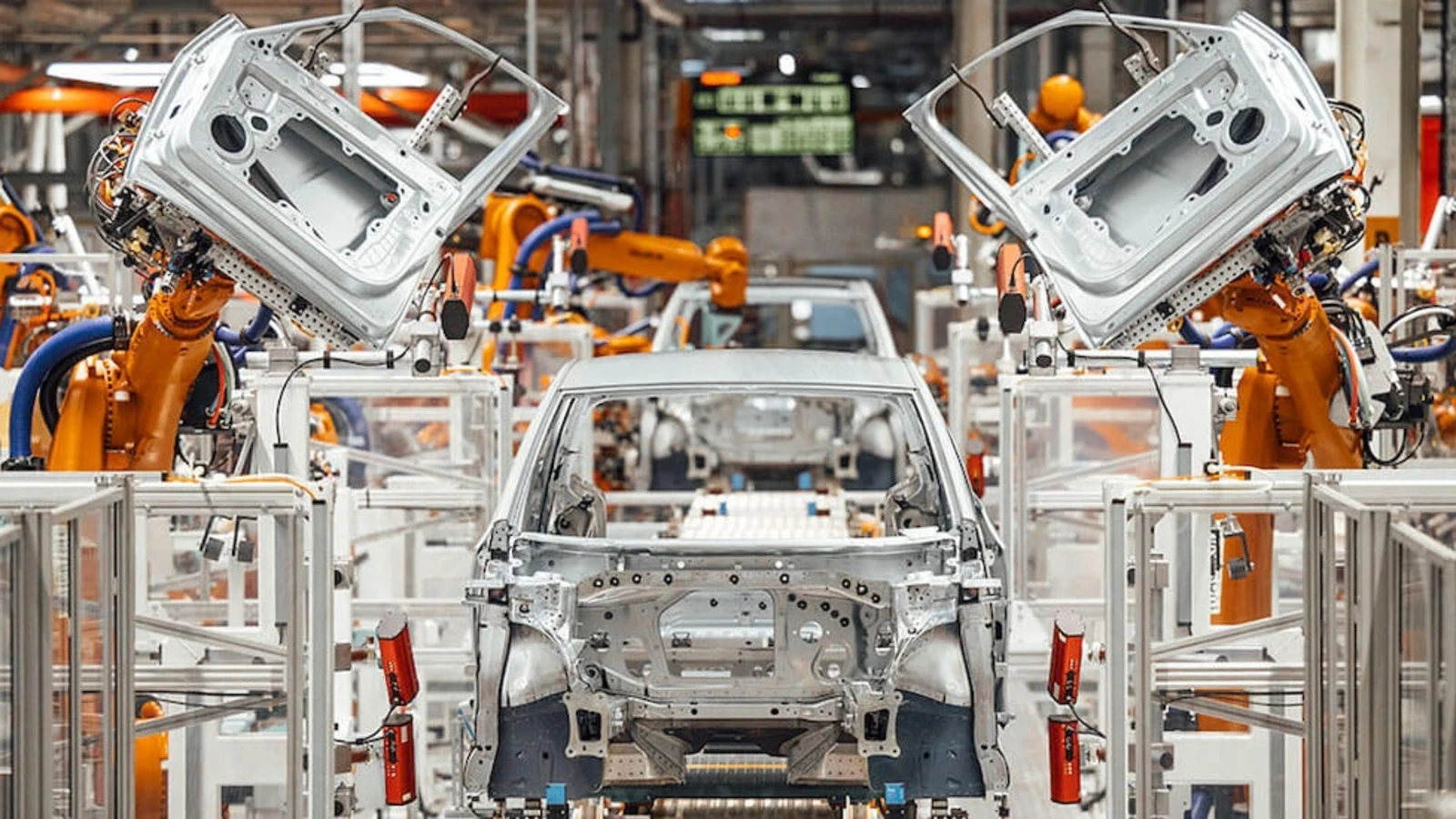
In today’s fast-paced industrial landscape, technology is not just an advantage—it’s a necessity. As global industries evolve to meet the demands of precision, speed, and sustainability, the role of automation within industrial properties has become more vital than ever. These modern facilities are equipped with intelligent systems designed to enhance operational efficiency, reduce waste, and support round-the-clock productivity.
Industrial automation properties are more than just buildings—they are dynamic ecosystems that combine robotics, artificial intelligence (AI), and the Internet of Things (IoT) to optimize every aspect of industrial performance. From smart lighting and climate control to robotic assembly lines and predictive maintenance, automation has redefined how factories and warehouses operate.
Industrial automation refers to the use of control systems such as computers, robots, and information technologies to handle industrial processes with minimal human intervention. This technological integration allows industries to perform repetitive, complex, or hazardous tasks with higher precision and speed.
In the context of industrial properties, automation features can range from automated material handling systems to energy-efficient smart grids. These intelligent solutions help minimize errors, improve product consistency, and reduce operational costs.
Key components of industrial automation include:
Industrial properties with automation features are in high demand due to their ability to deliver consistent results while adapting to technological advances. Real estate developers and investors are recognizing the growing need for such spaces, as manufacturers look for facilities that can integrate digital systems seamlessly.
Automation enables:
In addition, these features make industrial spaces more appealing to tenants seeking competitive advantages in global markets.
Modern industrial properties are being built or retrofitted with smart technologies that boost performance and sustainability. Some of the most significant automation features include:
These systems use sensors and AI-driven algorithms to control lighting, temperature, air quality, and security. They optimize resource usage, lower energy bills, and create safer working environments.
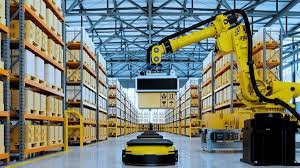
From conveyor belts and robotic arms to automated guided vehicles (AGVs) and drones, these systems streamline logistics within factories and warehouses. They ensure materials are moved efficiently, minimizing delays and errors.
With machine learning and IoT sensors, predictive maintenance systems can identify potential equipment failures before they happen. This reduces downtime and extends the lifespan of costly industrial assets.
Energy management is a top priority for industries today. Automated industrial buildings often feature smart meters, renewable energy integration, and automated systems that monitor and reduce power consumption.
Robots are now integral to automated manufacturing environments. Collaborative robots, or cobots, work safely alongside humans, enhancing productivity while maintaining flexibility.
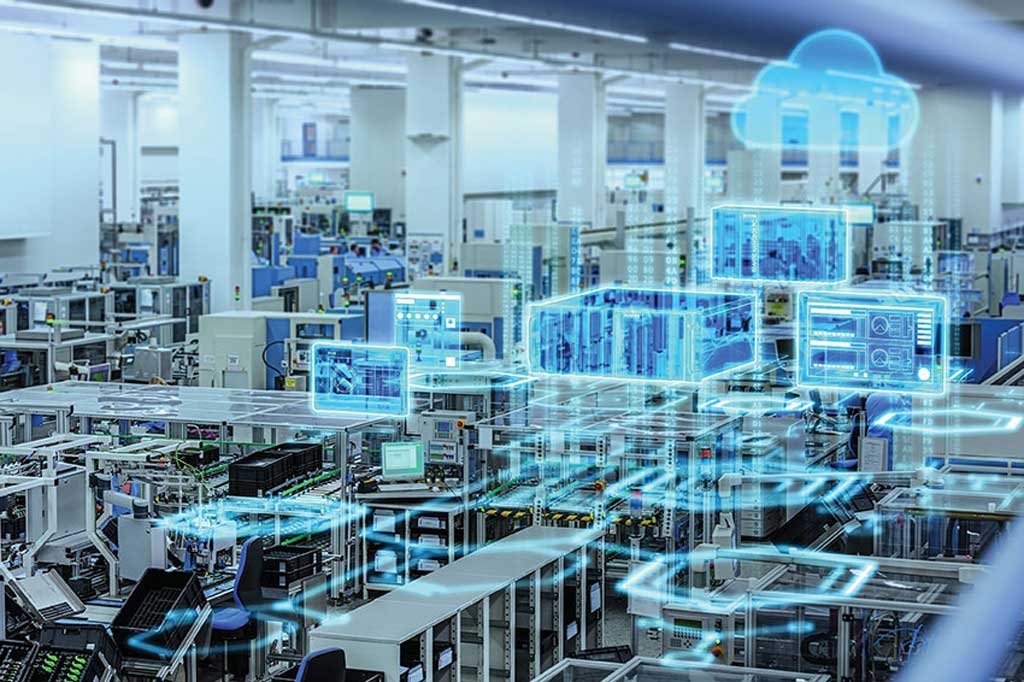
Through cloud-connected sensors and analytics software, facility managers gain real-time visibility into every operation. This enables them to make data-driven decisions, improving overall efficiency and safety.
Automation in industrial properties doesn’t just improve productivity—it also supports sustainability. Smart systems optimize energy use and reduce waste, directly contributing to a smaller carbon footprint.
Economically, companies benefit from lower operational costs, increased throughput, and greater reliability. Automation helps industries remain competitive even in volatile markets by reducing dependency on manual labor and mitigating production risks.
Environmental benefits include:
The Internet of Things (IoT) is the backbone of modern industrial automation. It connects devices, sensors, and systems within a property, enabling seamless communication and control.
IoT-driven industrial facilities can:
This connectivity transforms traditional industrial buildings into intelligent spaces that anticipate and respond to operational demands instantly.
As technology continues to advance, industrial automation is evolving with it. Several emerging trends are shaping the future of automated properties:
AI systems can analyze massive amounts of data to improve efficiency and predict maintenance needs. Machine learning models continuously learn from operations to optimize workflows and resource allocation.
Digital twin technology allows operators to create virtual replicas of physical assets. These models simulate performance, test new processes, and identify issues before they occur in real-world environments.
With the rollout of 5G networks, industrial automation will reach new heights. Faster and more reliable connections enable real-time control of machines and faster data processing, essential for robotics and IoT systems.
From self-driving trucks to robotic delivery drones, the logistics sector is embracing automation. These innovations enhance speed, accuracy, and safety in supply chains.
Future industrial properties will be designed around green automation principles. Smart systems will ensure efficient resource use, while renewable energy integration becomes standard practice.
Despite its many advantages, integrating automation into industrial properties comes with challenges. High installation costs, cybersecurity risks, and the need for skilled personnel can slow adoption.
Companies must address:
However, as technology becomes more accessible, these challenges are gradually diminishing. Governments and private sectors are investing in training programs and security frameworks to support automation’s growth.
Industrial real estate investors are increasingly drawn to automation-ready properties. These assets promise long-term value due to their adaptability, resilience, and alignment with future market trends.
Automated facilities often yield higher returns because they attract tenants willing to pay premium rents for technology-integrated spaces. Furthermore, lower maintenance costs and improved efficiency contribute to stable income streams and reduced operational risks.
While automation minimizes manual labor, it does not eliminate the need for human expertise. Instead, it transforms job roles, emphasizing creativity, decision-making, and problem-solving skills.
Employees now focus on monitoring systems, interpreting data, and managing automated operations. This shift enhances safety and job satisfaction while enabling humans to work smarter, not harder.
When designing or investing in industrial properties with automation features, several factors must be considered:
These considerations ensure that properties remain competitive and future-proof in an ever-changing industrial landscape.
The integration of automation in industrial real estate is no longer a luxury—it is an expectation. As industries move toward smart manufacturing, properties equipped with automation features will become the cornerstone of economic growth and innovation.
Automation-driven industrial spaces promise not only operational excellence but also sustainability and resilience. They represent the perfect balance between human intelligence and technological advancement, driving industries toward a smarter, safer, and more efficient future.
Industrial properties with automation features are revolutionizing the way businesses operate, produce, and compete. These intelligent facilities blend cutting-edge technology with practical design to deliver unmatched efficiency and sustainability.
From AI-powered systems and IoT connectivity to predictive maintenance and robotics, automation is the defining feature of tomorrow’s industrial world. As investors, developers, and manufacturers embrace this transformation, industrial real estate will continue to evolve—creating a future where innovation and intelligence power every process.
Do Follow Estate Magazine on Instagram
Retail Units Near Metro Stations: The Hidden Goldmine for High ROI