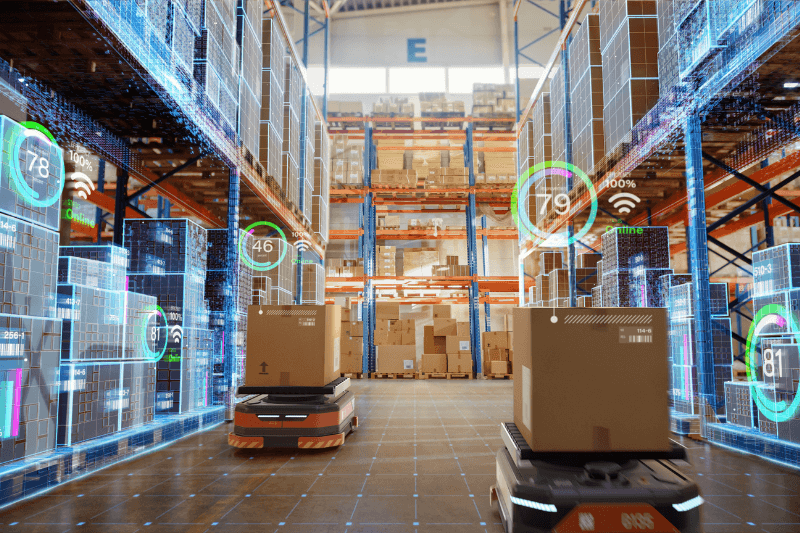
In a rapidly evolving commercial landscape, businesses are increasingly prioritizing safety, efficiency, and technology in their operations. This shift has given rise to a new trend — warehouses equipped with smart security systems. These high-tech spaces not only safeguard valuable assets but also streamline management and enhance operational productivity. Whether you’re a logistics firm, e-commerce brand, or manufacturing company, renting a warehouse with integrated smart security is a game-changing decision.
Traditional warehouses once relied solely on manual locks, guards, and basic CCTV systems. Today, those measures are no longer enough to protect against sophisticated threats such as cyber intrusions, internal theft, and unauthorized access. Modern warehouse owners have embraced smart security systems—a blend of artificial intelligence, IoT (Internet of Things), and automation—to create safer, smarter, and more responsive environments.
These systems are designed to provide 24/7 monitoring, instant alerts, and remote control capabilities, giving tenants real-time oversight and peace of mind. As a result, smart warehouses have become the preferred choice for businesses that demand both safety and scalability.
A smart warehouse isn’t just about installing cameras. It’s an ecosystem of connected technologies that communicate and respond intelligently to various scenarios. Here’s what sets them apart:
By integrating these features, smart warehouses minimize human error and ensure round-the-clock protection.
For growing enterprises, renting rather than building a warehouse with modern security infrastructure makes economic sense. It saves on capital investment, reduces setup time, and ensures immediate access to advanced systems. Here are some of the key benefits businesses experience:
The primary appeal lies in robust security. Smart warehouses provide multilayered protection—from entry control to AI video analytics—ensuring both inventory and staff safety. Alerts are sent instantly to managers or security teams if any anomaly occurs.
Renting eliminates the need for large upfront costs associated with construction or retrofitting. Tenants get immediate access to top-notch technology and can scale up as their storage needs expand.
Smart security systems allow tenants to monitor operations from anywhere. Whether you’re managing a facility in another city or traveling abroad, remote access through mobile apps and cloud dashboards keeps you in control.
Automation in surveillance, lighting, and entry reduces the need for full-time security personnel, thereby lowering operational costs while enhancing reliability.
Insurance companies often offer better premiums to tenants of warehouses with advanced security systems, as they pose a lower risk of theft or damage. Moreover, such facilities often meet higher compliance and safety standards.
To understand the full potential of these facilities, it’s essential to explore the different technologies that power them. Each layer of security plays a crucial role in overall protection.
Unlike traditional surveillance cameras, AI-enabled CCTV systems can recognize faces, count people, and detect suspicious activities like loitering or unusual motion patterns. The footage is stored securely on the cloud, ensuring it’s always accessible.
Modern warehouses use biometric scanners, RFID cards, or smartphone-based authentication to manage entry. These systems log every access event, creating an audit trail for better accountability.
IoT sensors play a major role in warehouse management. They can monitor air quality, humidity, temperature, and movement, helping prevent environmental damage and ensuring goods are stored safely.
Motion sensors activate alarms and lights when any irregular activity is detected. This immediate response deters intruders and enhances visibility during emergencies.
Integrated fire detection and suppression systems ensure rapid response in case of overheating or smoke detection. Smart detectors can automatically trigger sprinklers and notify emergency services.
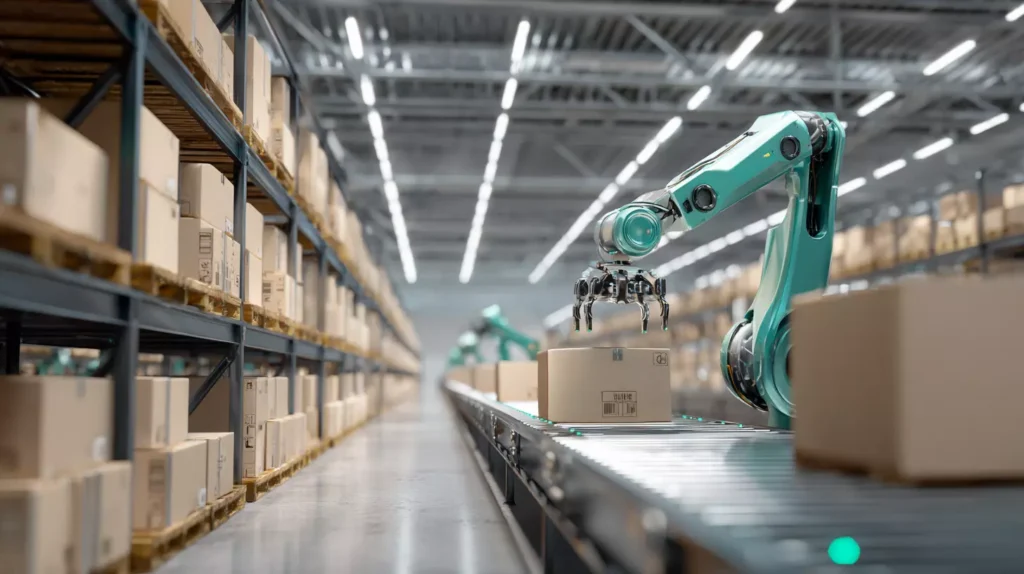
The adaptability of smart warehouses makes them ideal for various sectors. Businesses across industries are finding value in renting such secure, tech-driven spaces.
For e-commerce companies, real-time security is essential to protect vast inventories. Smart warehouses offer the perfect blend of safety and efficiency, helping these companies manage high volumes of stock with minimal risk.
Manufacturers require secure environments for storing raw materials and finished goods. Smart sensors and access controls ensure these assets are protected from both theft and environmental damage.
Pharmaceutical products are highly sensitive to temperature and humidity. Smart warehouses ensure precise monitoring and alert systems to maintain optimal storage conditions.
High-value items like electronics, jewelry, and luxury products need advanced surveillance and restricted access zones. Smart warehouses provide these specialized security solutions seamlessly.
Security isn’t the only benefit of going smart. These systems also improve operational efficiency, transforming how warehouses function daily.
This fusion of technology and efficiency ensures that smart warehouses not only protect assets but also enhance the overall workflow.
If you’re considering renting a smart warehouse, several factors can help guide your decision:
By evaluating these elements, businesses can make informed decisions and secure facilities that align with their goals.
As technology evolves, the future of warehousing looks even more intelligent and interconnected. Artificial intelligence will continue to enhance predictive security, detecting threats before they happen. Drones and robotics may soon integrate into security patrols, and blockchain-based systems could ensure transparent, tamper-proof access logs.
These innovations will redefine what safety and efficiency mean for modern supply chains. The combination of automation, AI, and IoT will not only protect assets but also empower businesses with actionable data to stay ahead of risks.
Global demand for smart and secure warehouse rentals is surging. With e-commerce growth and supply chain optimization becoming top priorities, companies are increasingly seeking tech-enabled facilities. Investors and developers are also capitalizing on this shift by upgrading traditional warehouses into fully automated, sensor-equipped hubs.
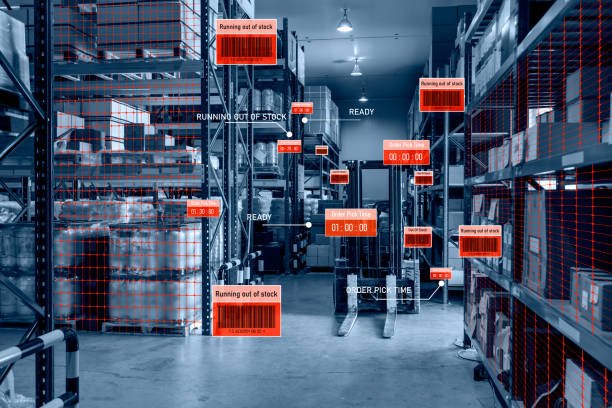
In markets like the UAE, India, and Singapore, smart warehouses have become the new standard—offering tenants flexibility, safety, and sustainability all in one package.
The future of warehousing lies in intelligence, not just infrastructure. Renting warehouses equipped with smart security systems is no longer a luxury—it’s a necessity for businesses that value safety, transparency, and control. From AI-driven surveillance to cloud-based monitoring, these features redefine how businesses protect their assets and people.
In a world where efficiency meets innovation, smart warehouses stand as the ultimate solution—ensuring every square foot is as secure and productive as possible. For businesses seeking peace of mind, technological advantage, and cost-effective storage, the message is clear: go smart, stay secure, and grow with confidence.
Do Follow Estate Magazine on Instagram