Commercial real estate has always been a cornerstone for investors seeking consistent cash flow and capital appreciation. Among various investment strategies, one of the most stable and rewarding is investing in commercial properties with long-term lease opportunities. Unlike residential leases, which often last a year or two, commercial leases can span 5, 10, or even 20 years — locking in dependable income streams while minimizing tenant turnover.
The concept of long-term leasing is simple yet powerful: an investor purchases or develops a commercial property, such as an office space, retail outlet, or warehouse, and leases it to a reliable tenant for an extended duration. The lease contract outlines the rental terms, escalation clauses, maintenance responsibilities, and renewal options. This structure ensures predictability, allowing both the landlord and tenant to plan long-term financial strategies confidently.
One of the primary reasons investors gravitate toward long-term leases is the financial stability they offer. A secure tenant means consistent rental income, lower vacancy rates, and reduced operational headaches. For investors, this translates to peace of mind and predictable returns — a rare advantage in today’s dynamic property market.
In addition, long-term commercial leases often include rent escalation clauses that adjust the rent periodically based on inflation or market rates. This mechanism ensures that the rental income grows over time, protecting investors from declining real value.
Another advantage is financing flexibility. Banks and financial institutions view properties with established long-term leases as low-risk assets. As a result, they often offer better loan terms and higher loan-to-value ratios to investors holding such properties.
Long-term lease opportunities exist across several commercial real estate categories. However, some asset classes tend to perform exceptionally well under this model due to their nature and tenant profile.
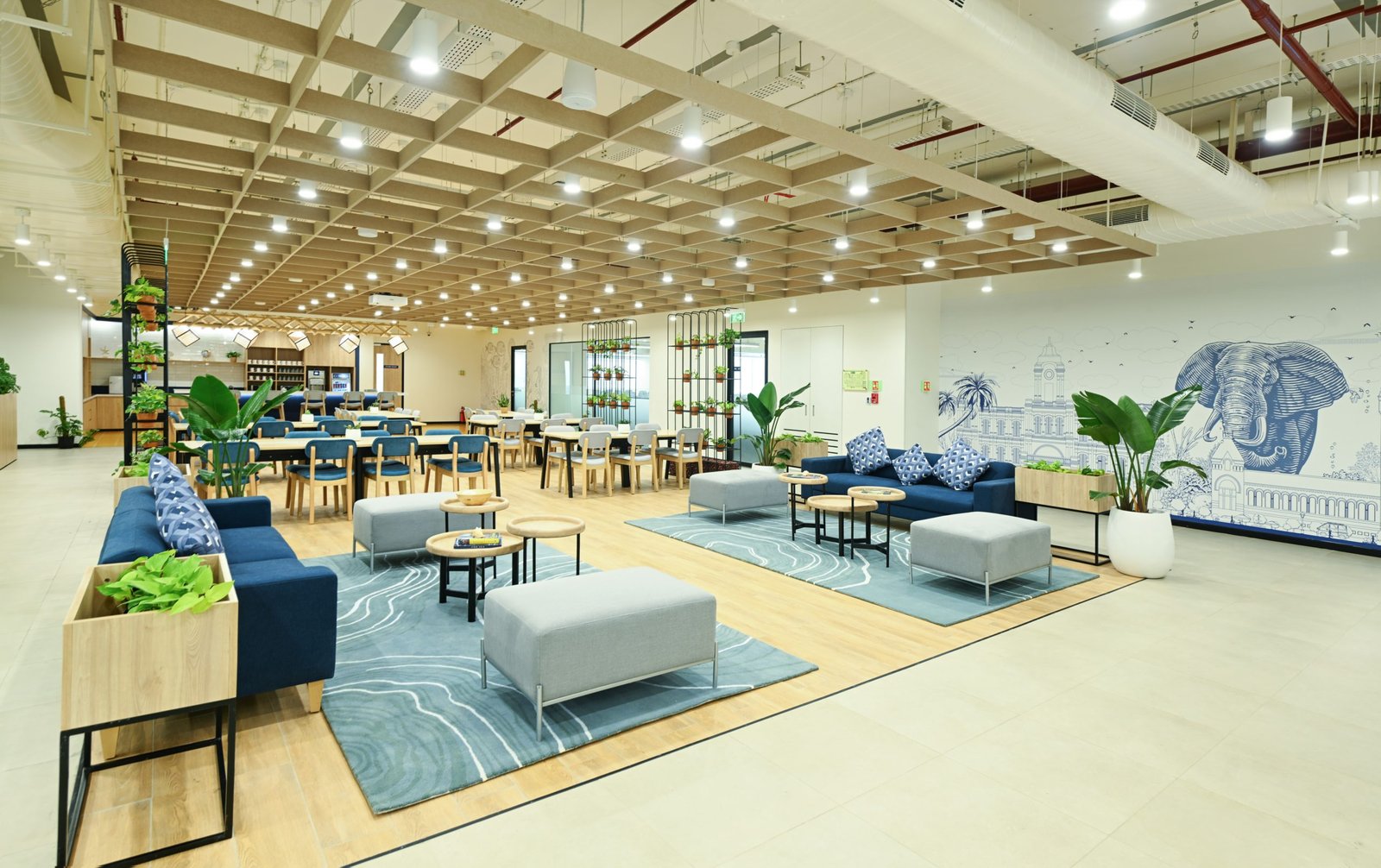
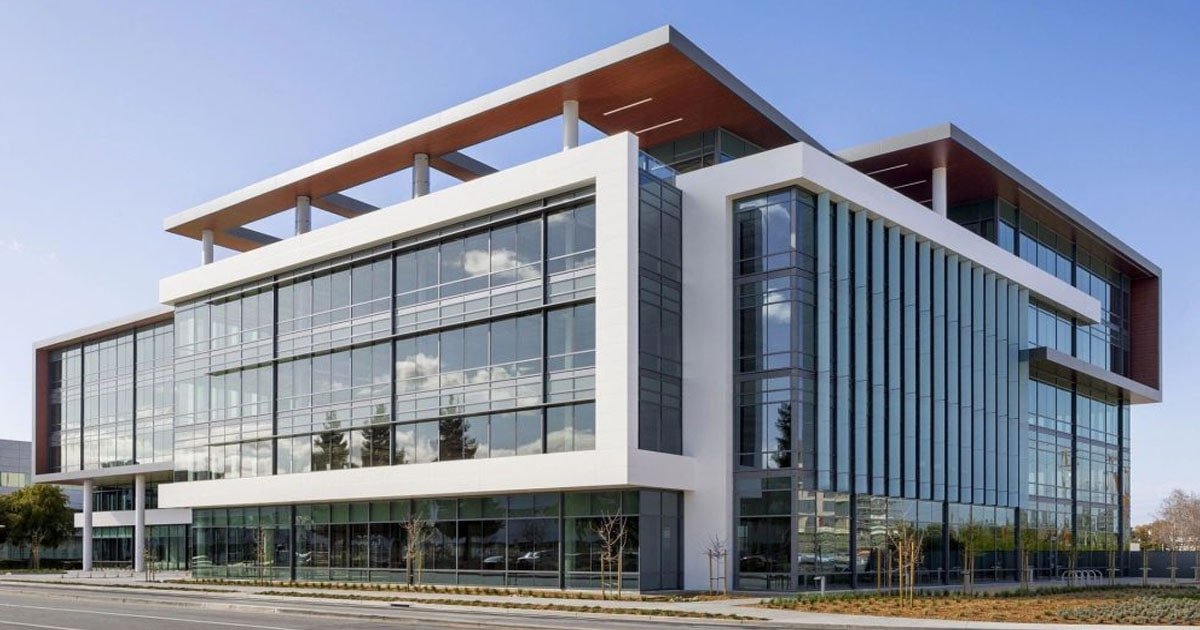
Corporate tenants often prefer long-term leases for office spaces to avoid the disruption of relocation. This makes office towers, business parks, and coworking hubs excellent candidates for investors seeking stable income streams. High-end office spaces in prime locations, particularly those occupied by multinational companies, can yield consistent returns over decades.
Retail properties like shopping centers, supermarkets, and standalone stores leased to anchor tenants (such as major brands or franchises) offer robust long-term leasing potential. Retailers typically invest heavily in location setup and branding, making them less likely to relocate frequently. This stability benefits property owners immensely.
The surge in e-commerce and logistics has dramatically increased demand for industrial spaces. Distribution centers, cold storage facilities, and manufacturing units often sign leases ranging from 10 to 20 years. These assets are low-maintenance and tend to attract corporate tenants with strong financial backing.
Hotels, serviced apartments, and mixed-use complexes are increasingly structured on long-term lease or management agreements with established hospitality brands. These properties promise high rental yields and strong brand partnerships, offering investors the dual benefit of steady income and brand prestige.

Long-term commercial leases are not just favorable to landlords; they also provide advantages to tenants, fostering a mutually beneficial relationship.
For landlords:
For tenants:
This balance creates a win-win dynamic where both sides thrive under predictable and secure conditions.
Finding the right commercial property for a long-term lease requires strategic research and due diligence. Investors should focus on the following criteria:
Economic cycles influence commercial leasing patterns. During periods of growth, companies expand operations and commit to longer leases. Conversely, in economic slowdowns, they might negotiate more flexible terms or downsize their spaces.
However, even during downturns, well-located properties with long-term leases continue to perform better than speculative or short-term rental models. These assets provide income insulation and protect investors from market volatility.
Furthermore, long-term leases linked to inflation indices safeguard landlords’ purchasing power, ensuring steady real income growth. In a world of fluctuating interest rates and uncertain markets, such leases serve as a financial shield.
While a longer lease duration ensures income stability, it can also cap rental growth if not structured properly. Therefore, investors must strike a balance between long tenure and rent escalation.
A 9 to 15-year lease with an escalation clause of 10-15% every 3 years is often ideal. This format ensures both predictability and profitability. Additionally, built-to-suit properties — where spaces are custom-designed for tenants — are particularly effective in securing long-term commitments.
Despite its benefits, this investment model has its own challenges that investors must prepare for.
These risks can be mitigated through strong lease agreements, tenant vetting, and insurance policies that protect against rent loss or damages.

Emerging economies such as the UAE, India, and Southeast Asia are witnessing a surge in demand for long-term commercial leases. Economic reforms, infrastructural expansion, and corporate migration to these regions are fueling a robust commercial property market.
For instance, Dubai and Abu Dhabi have become global commercial hubs where investors are leveraging long-term leases in retail, hospitality, and logistics sectors. Similarly, India’s office space absorption is at an all-time high, with multinational corporations signing multi-decade leases in tech parks and special economic zones.
These emerging markets provide attractive yields, relatively lower entry costs, and the potential for strong appreciation alongside stable rental returns.
The next decade of commercial leasing will be shaped by technology, sustainability, and flexibility. Smart buildings with energy-efficient systems and digital infrastructure will dominate tenant demand. Investors offering green-certified and digitally integrated spaces will attract premium, long-term tenants.
Furthermore, the growing trend of hybrid work is reshaping office leasing dynamics. While flexible workspaces are rising, large corporations continue to secure long-term leases in strategically located, premium buildings to maintain brand presence and operational stability.
In logistics and industrial real estate, the expansion of e-commerce giants and manufacturing companies will continue to drive demand for long-term leasing. Investors in this segment are likely to see consistent, inflation-adjusted rental growth.
To maximize profitability in long-term commercial leases, investors should consider these actionable strategies:
Investing in commercial properties with long-term lease opportunities is a time-tested approach for achieving financial stability and sustained growth. It merges the reliability of consistent income with the potential for long-term capital appreciation.
As businesses evolve and economies grow, the demand for dependable, high-quality commercial spaces will continue to rise. For investors seeking a blend of safety, predictability, and profitability, long-term leasing stands as one of the most rewarding strategies in the modern real estate landscape.
By carefully selecting prime locations, reputable tenants, and well-structured lease agreements, investors can turn commercial real estate into a powerhouse of enduring wealth — one lease at a time.
Do Follow Estate Magazine on Instagram