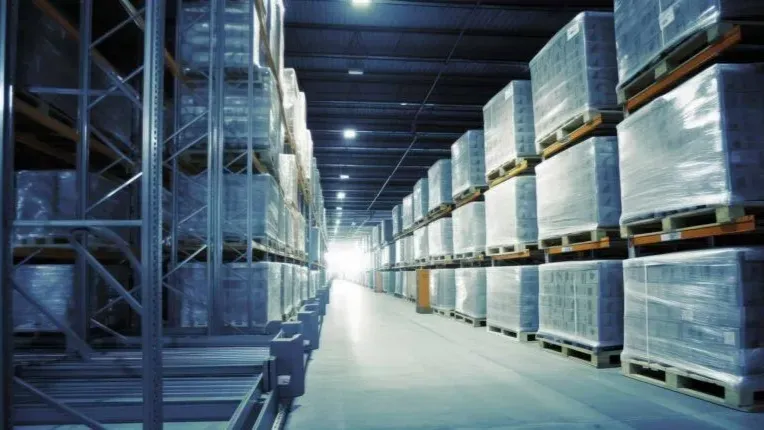
As the world steps into 2026, investors are turning their attention toward one of the most profitable and resilient real estate sectors — industrial property. What was once an overlooked segment compared to residential and commercial spaces has now evolved into a powerhouse of opportunity, driven by global trade expansion, e-commerce growth, and the rise of automated logistics.
With industrial real estate becoming the backbone of modern economies, 2026 presents the perfect moment for investors to explore this dynamic sector. From warehouse spaces to manufacturing hubs, the scope of investment is wide and filled with promise.
Understanding Industrial Property Investment
Industrial properties include spaces used for manufacturing, warehousing, distribution, logistics, and storage. These facilities are essential for supporting supply chains, especially as global trade and e-commerce continue to expand at unprecedented rates.
Unlike residential or retail real estate, industrial properties have a different set of dynamics. They often attract long-term tenants, provide steady rental yields, and have lower maintenance costs. These factors make them a highly attractive option for investors seeking stability and consistent income streams.
Why 2026 Is a Turning Point for Industrial Investments
The global real estate market is witnessing a significant transformation. While residential and commercial properties face challenges like fluctuating demand and oversupply, industrial real estate continues to grow. Several major trends are shaping this boom in 2026:
E-commerce Explosion With online shopping projected to reach record-breaking levels, demand for logistics and fulfillment centers has surged. Retail giants and small businesses alike are racing to secure warehouse and last-mile delivery spaces.
Supply Chain Localization The disruptions caused by recent global events have taught companies the value of local production and storage. This shift toward regional supply chains has fueled demand for industrial zones closer to key markets.
Technological Transformation Automation, robotics, and AI-driven logistics have increased the need for technologically equipped industrial spaces. Smart warehouses and advanced manufacturing units are now a major focus for high-value investors.
Government Support and Infrastructure Growth Many governments are investing in industrial corridors, transport connectivity, and business-friendly policies. These initiatives are making industrial zones more accessible and profitable for private investors.
Key Types of Industrial Properties to Watch in 2026
Investors in 2026 can explore a variety of industrial property types, each with unique benefits and risk profiles. Understanding these categories is essential before entering the market:
Warehouses and Distribution Centers These properties are the backbone of e-commerce and logistics. With the continuous growth of online retail, warehouse spaces remain in high demand.
Manufacturing Units Ideal for investors targeting long-term tenants, manufacturing properties provide stability and predictable cash flow. Many are now adopting sustainable practices, which enhance their long-term value.
Cold Storage Facilities As the food, pharmaceutical, and biotech industries expand, temperature-controlled storage has become a lucrative niche within industrial real estate.
Data Centers With the global digital economy booming, data centers are now among the most profitable industrial investments. These facilities offer high returns but require substantial initial capital.
Flex Industrial Spaces A combination of office and light industrial use, these flexible spaces cater to startups, small manufacturers, and logistics firms, providing steady occupancy and diverse tenant bases.
The Financial Edge: Why Investors Are Choosing Industrial
Industrial properties have become synonymous with reliable income and strong appreciation potential. Here are key reasons why more investors are prioritizing this asset class:
Long-term Leases – Industrial tenants often sign leases ranging from 5 to 15 years, ensuring stable rental income.
Low Vacancy Rates – Demand for storage and logistics facilities exceeds supply in many regions, reducing the risk of prolonged vacancies.
Inflation Hedge – Many industrial lease agreements include inflation-linked rent increases, protecting investors from value erosion.
High Yields – Compared to residential and office spaces, industrial assets often deliver higher net yields due to lower maintenance costs and higher tenant retention.
Global Hotspots for Industrial Property Investment
In 2026, several global regions stand out as top performers in industrial real estate:
United States – The growth of e-commerce, combined with onshoring of manufacturing, makes logistics hubs in Texas, California, and the Midwest highly profitable.
Europe – Central and Eastern Europe are witnessing an industrial renaissance, driven by lower costs and improved transport connectivity.
Middle East – Countries like the UAE and Saudi Arabia are rapidly developing industrial zones as part of diversification efforts.
Asia-Pacific – India, Vietnam, and Indonesia are emerging as major players in industrial real estate due to affordable land, labor, and government incentives.
Sustainable and Smart Industrial Spaces
Sustainability is no longer a trend — it’s a necessity. Investors in 2026 are increasingly prioritizing green-certified industrial properties. Features such as solar panels, energy-efficient lighting, water recycling systems, and smart sensors not only reduce operating costs but also attract environmentally conscious tenants.
Smart technology integration is also transforming the industrial landscape. Properties equipped with AI-based inventory systems, automated machinery, and IoT connectivity offer better efficiency and higher rental premiums. Investors who focus on these future-ready facilities will likely enjoy long-term appreciation and resilience.
Risk Factors to Consider Before Investing
While industrial property investment offers strong potential, it’s important to understand associated risks:
Location Dependency – Proximity to transport hubs and highways is crucial for success. Poorly located assets can underperform.
Tenant Reliability – Dependence on a single large tenant can pose risks if the tenant defaults or relocates.
Market Saturation – In some regions, overdevelopment can lead to slower rental growth.
Maintenance and Upgrades – Although lower than in other real estate sectors, periodic modernization costs for technology and compliance can be significant.
Investors can mitigate these risks by conducting thorough due diligence, diversifying portfolios across asset types and regions, and working with professional real estate advisors.
The Investment Strategy for 2026 and Beyond
A successful industrial property investment strategy in 2026 revolves around three core principles:
Diversification – Balance between warehouse, manufacturing, and specialized facilities to spread risk.
Long-Term Outlook – Industrial real estate performs best when held over extended periods due to compounding rental growth and appreciation.
Technological Readiness – Focus on assets that integrate automation, green energy, and smart management systems to future-proof the investment.
Institutional investors, REITs, and private equity funds are increasingly targeting industrial assets, indicating growing confidence in this segment’s future. For individual investors, entering the market through fractional ownership, real estate funds, or joint ventures can offer exposure without massive capital requirements.
Future Outlook: Industrial Real Estate in the Next Decade
The next decade will be defined by automation, urban expansion, and digital commerce. Industrial real estate will remain central to all these developments. As industries become smarter and supply chains more complex, demand for technologically advanced, energy-efficient industrial spaces will skyrocket.
By 2030, experts predict industrial real estate could outpace traditional commercial sectors in both capital growth and yield stability. Investors who enter in 2026 stand to benefit from this transformation, positioning themselves ahead of the curve.
Practical Tips for New Investors
If you’re considering entering the industrial property market in 2026, here are some actionable steps:
Research regions with strong logistics infrastructure and government-backed industrial policies.
Analyze tenant profiles, lease structures, and rental history before purchase.
Prioritize properties with room for technological upgrades and sustainability improvements.
Consult experienced real estate advisors or property management firms to minimize operational risks.
Start small if needed — joint ventures or REITs can provide access without overexposure.
Final Thoughts
2026 is shaping up to be a landmark year for industrial property investment. With strong fundamentals, rising global demand, and resilient rental returns, the industrial sector stands out as one of the most rewarding avenues for investors seeking long-term wealth creation.
The convergence of technology, sustainability, and infrastructure development has set the stage for exponential growth. Those who recognize the potential of industrial real estate today will likely be the market leaders of tomorrow.
Industrial property investment isn’t just a financial decision — it’s a strategic step into the future of global commerce.