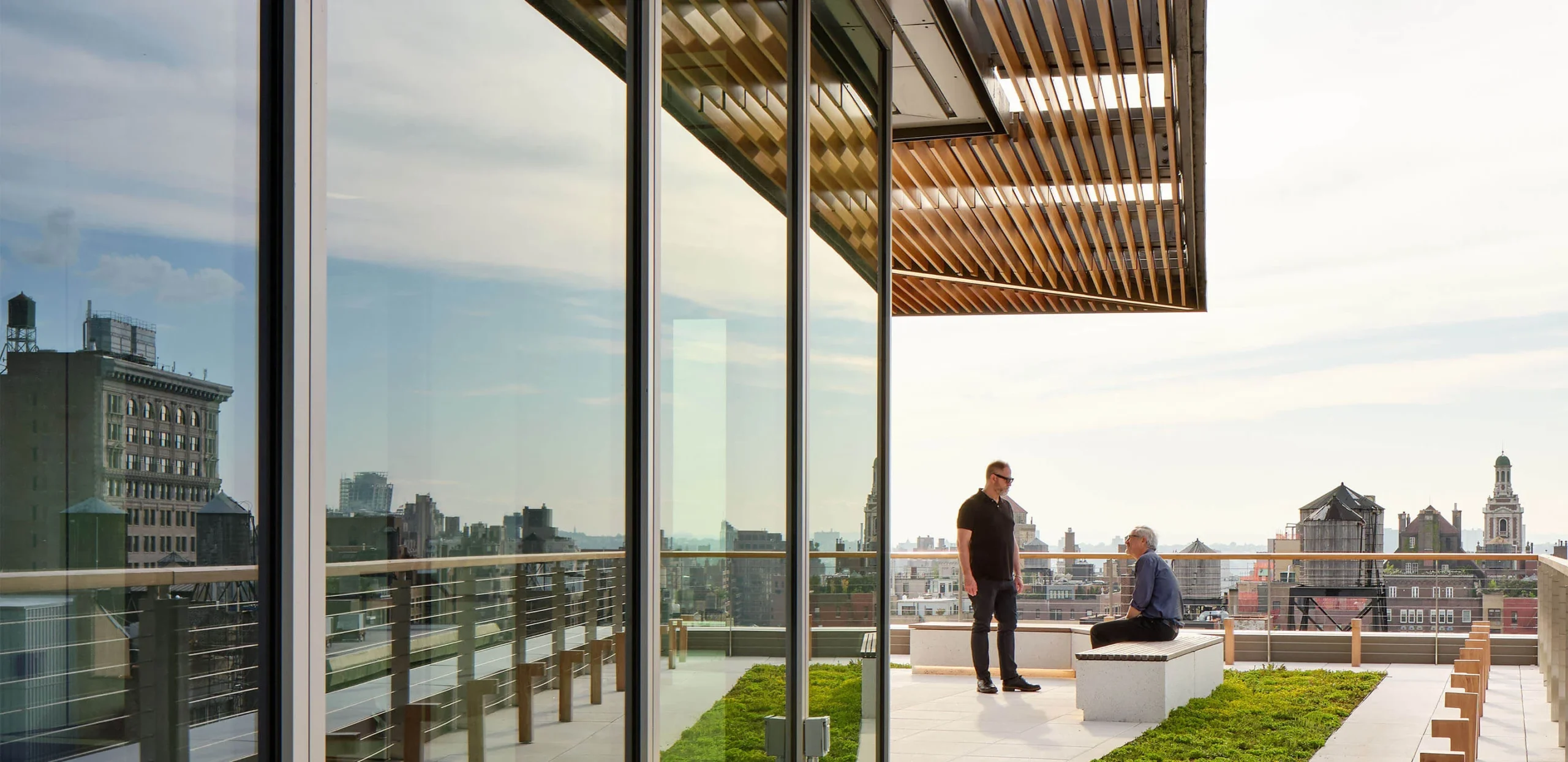
Modern business environments are undergoing a transformation. No longer limited to cubicles, fluorescent lights, and plain glass walls, commercial spaces today are designed to inspire, connect, and engage. One of the most exciting trends leading this evolution is the rise of commercial spaces with rooftop entertainment areas. These spaces are turning rooftops into vibrant hubs of activity—where business meets leisure, and productivity meets creativity.
From luxury lounges to open-air cinemas and rooftop gardens, these multi-functional rooftops are redefining how companies attract tenants, boost employee morale, and create memorable customer experiences.
In the last decade, commercial real estate has shifted from traditional, utility-driven structures to experience-centered spaces. Businesses and developers have realized that people no longer choose workplaces or shopping centers based only on convenience or cost. Instead, they look for lifestyle value—an environment that enhances creativity, relaxation, and social connection.
This is where rooftop entertainment areas step in. They provide the perfect balance between work and leisure, allowing employees, clients, and visitors to unwind in an environment that feels both exclusive and refreshing.
Rooftop spaces have a unique charm. Elevated above the hustle of the city, they provide open views, natural light, and a sense of freedom that’s hard to achieve indoors. When developers integrate entertainment options, these rooftops become destinations in themselves.
Some of the popular rooftop features in commercial developments include:
Each of these amenities transforms a simple rooftop into a functional extension of the workplace, giving companies the flexibility to organize events, social gatherings, and brand experiences without leaving their building.
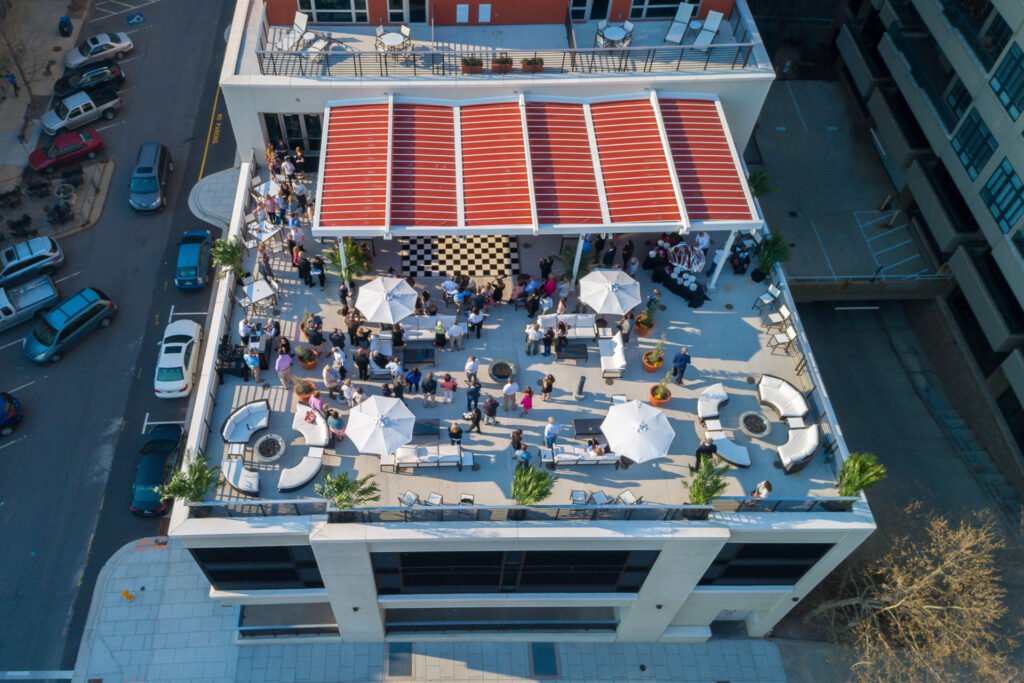
While rooftop entertainment may sound like a luxury, it’s increasingly viewed as a strategic investment. For property owners and developers, these features help in several ways:
In short, rooftop spaces create emotional value that translates into tangible business benefits.
In office environments, rooftop areas are becoming essential for promoting employee wellbeing. Companies are discovering that offering employees access to outdoor spaces can significantly reduce stress and increase engagement.
Rooftop zones are used for:
When employees can step outside for a breath of fresh air or enjoy a cup of coffee under the sky, it creates a deeper connection to their workplace. It’s no longer just an office—it’s an environment that supports both professional and personal growth.
The retail sector has also embraced rooftop entertainment. Shopping malls and mixed-use complexes are incorporating rooftop restaurants, cinemas, and music venues to keep visitors engaged for longer periods.
These rooftops serve as a new form of social magnet. People visit not only to shop but to experience a blend of dining, entertainment, and ambiance that can’t be replicated online. For developers, this means higher footfall, increased spending, and stronger brand positioning.
Imagine a retail complex where you can spend the morning shopping, the afternoon at a rooftop café, and the evening enjoying live music with panoramic city views. This all-in-one experience is exactly what consumers now seek.
Beyond aesthetics and functionality, rooftop entertainment areas also contribute to sustainability goals. By integrating eco-friendly features, developers can improve both the environmental and economic performance of their buildings.
Common sustainable rooftop features include:
Sustainable rooftops not only enhance a property’s appeal but also help companies meet ESG (Environmental, Social, and Governance) standards—something increasingly important for modern investors and tenants alike.
In today’s fast-paced digital world, social interaction within the workplace or commercial space has become more valuable than ever. Rooftop areas serve as natural gathering points, where people can engage in face-to-face conversations away from screens and office walls.
By blending workspaces with recreational zones, developers foster a sense of community. Whether it’s through shared rooftop bars, fitness corners, or art installations, these environments encourage spontaneous networking and relationship-building.
Such interactions can enhance team collaboration, inspire creativity, and lead to more cohesive company cultures.
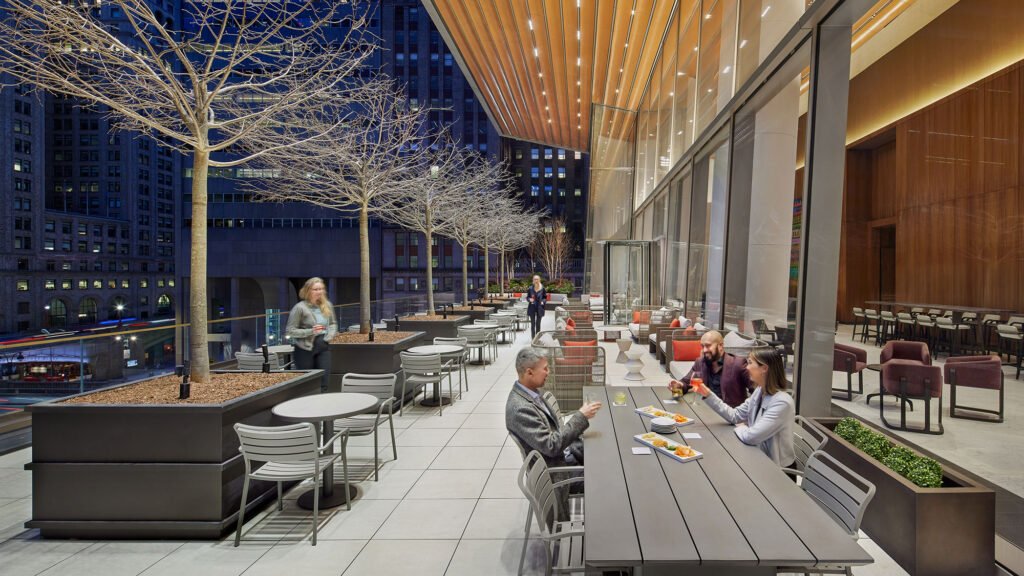
For many businesses, having access to or owning a rooftop entertainment area is more than just an amenity—it’s a branding opportunity. Companies often host events, product launches, and client parties on rooftops, using the skyline as a dramatic backdrop.
A well-designed rooftop can:
It’s a way to showcase culture, values, and success while offering something experiential to both employees and clients.
Developers across major cities—Dubai, New York, London, and Singapore—are racing to integrate rooftop amenities into new projects. These spaces are no longer viewed as optional but as essential design features for next-generation commercial buildings.
Architectural innovation is also pushing boundaries. Rooftops now include retractable roofs, modular seating, acoustic design for open-air events, and smart lighting systems that adapt to mood or function.
Developers understand that these features are not only desirable but expected by today’s tenants, especially as companies compete to attract and retain top talent.
Rooftop entertainment areas have a measurable effect on economic performance within commercial properties. Studies show that tenants are willing to pay up to 20% more for access to quality amenities, especially those that enhance lifestyle and productivity.
Additionally, these rooftops support local economies by hosting community events, attracting tourism, and creating opportunities for local vendors or artists. From weekend markets to private events, the revenue potential extends far beyond rent collection.
While the idea of rooftop entertainment is appealing, it requires careful planning. Architects and developers must consider factors such as:
Modern building technologies, however, are making these challenges easier to manage. Innovative materials, lightweight furniture, and advanced safety systems allow for flexible yet secure rooftop designs suitable for year-round use.
Looking ahead, commercial spaces with rooftop entertainment areas will continue to grow in popularity. As remote work and hybrid models evolve, offices and retail hubs will focus more on offering experiential value rather than just square footage.
Rooftop spaces will evolve into multi-dimensional zones for:
This combination of functionality and leisure ensures that the workplace of the future won’t just be a space for business—it will be a destination that supports holistic living.
For business owners and tenants, leveraging rooftop areas is a chance to strengthen brand identity and employee satisfaction. Here are a few practical ways to make the most of such spaces:
By aligning rooftop use with company culture and objectives, businesses can transform a physical space into an emotional asset.
The era of dull, enclosed commercial buildings is ending. Rooftop entertainment areas are proving that urban spaces can be both productive and pleasurable. They symbolize a new approach to real estate—one that values people’s experiences as much as their work.
Whether it’s a corporate tower overlooking the skyline or a mixed-use mall with a rooftop cinema, these elevated environments represent the future of how we live, work, and connect. The sky, quite literally, is no longer the limit.
Do Follow Estate Magazine on Instagram
High-ROI Office Spaces Near Dubai Free Zones: Complete ROI Guide