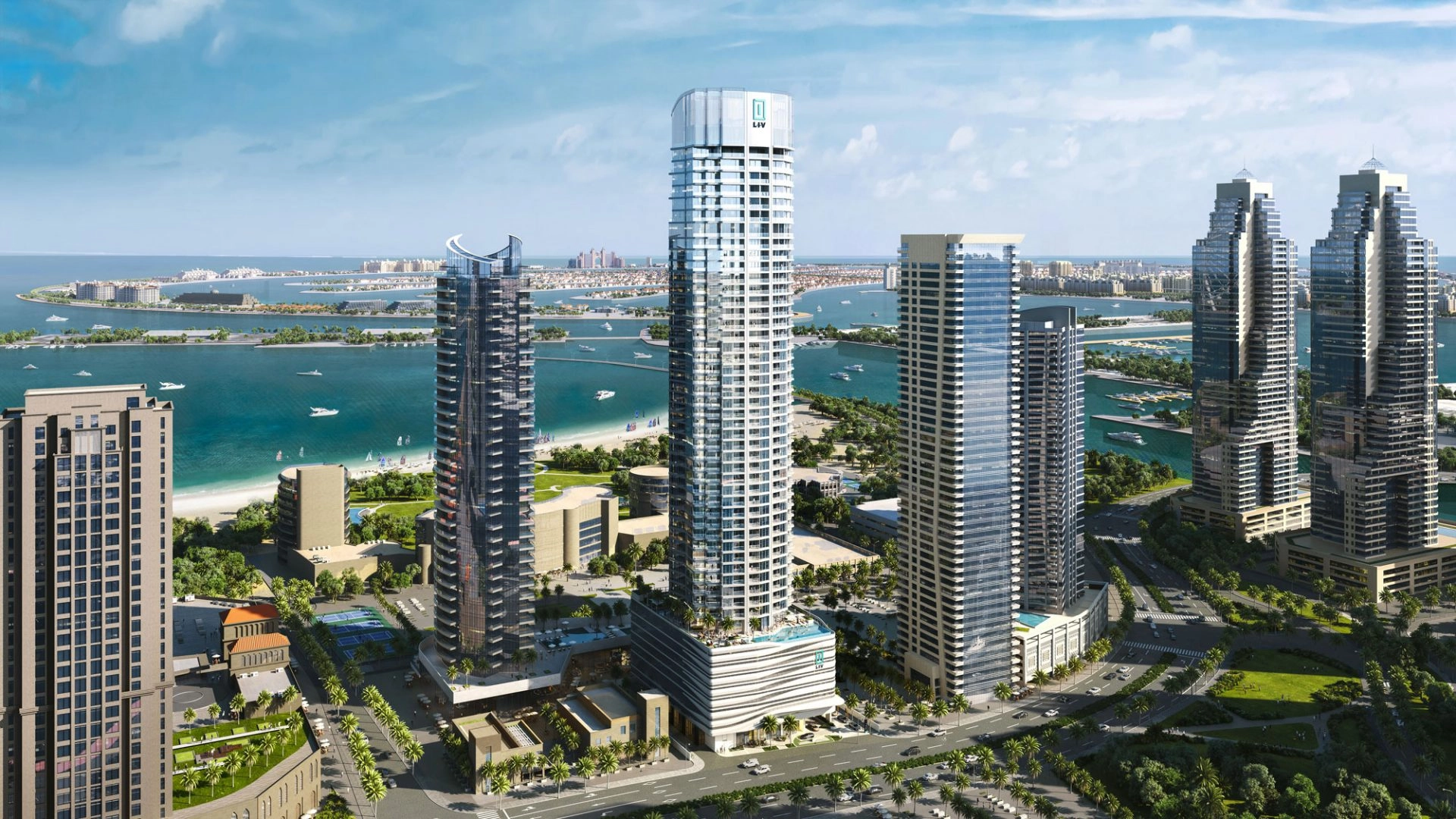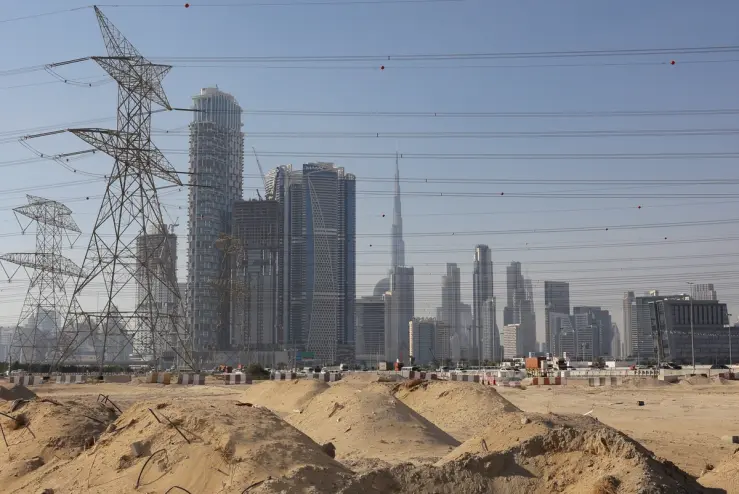
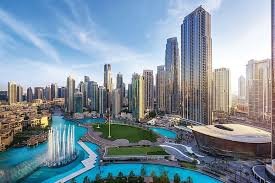
Dubai’s skyline tells the story: cranes, high-rise towers, beachfront villas and branded residences everywhere you look. What’s striking now is that the property boom in Dubai isn’t merely a brief hype cycle—it’s showing unmistakable signs of enduring strength. Buyers are lining up for off-plan units, luxury homes are commanding eye-watering prices, and the market appears ready to absorb much more.
This article explores why the boom has such sustained momentum, what’s driving it, where the hotspots lie, what risks remain and what it means for investors, end-users and the broader economy.
The ultra-luxury segment is blazing. Entry-level buyers for some beachfront projects are required to put down around AED 1 million (about USD 270,000) just to qualify. Homes priced at USD 10 million plus? That is increasingly the norm in Dubai, and the city reportedly leads globally in that tier.
This surge is powered by wealthy individuals seeking second homes, global investors chasing yield and quality lifestyle buyers eager for sun, tax-advantages and prestige.
Unlike past cycles driven purely by speculation, current momentum in Dubai is underpinned by tangible factors:
Together these point to a market that, while hot, may have more sustainable legs than previous spurts.
Much of the action is in off-plan (pre-construction) developments—investors are buying into what’s yet to be built, betting on future capital appreciation. Meanwhile, developers are rolling out large-scale master-planned communities, branded residences and villas to meet change in buyer preferences for space, amenities and lifestyle.
This forward-looking angle bolsters sentiment: buyers aren’t just buying existing stock—they’re investing in what’s coming.
Affluent buyers are gravitating towards villas and houses—larger homes with outdoor space, privacy and a resort-style feel. These segments now represent a growing share of top-tier transactions.
Brand-name residences (hotels, luxury hospitality-led projects) are riding high. For ultra-wealthy buyers, it’s not just about the home—it’s about the lifestyle, the brand, the exclusivity. Dubai is delivering big in this space.
Apartments still dominate volume in off-plan developments—especially in desirable neighbourhoods. Investors are drawn by attractive entry price and payment-plan flexibility.
The rental market, crucial in a city like Dubai with many expats, is equally strong. Tight supply in prime locations means rents are holding up and yields remain appealing. That in turn makes purchase more attractive from a ‘yield + capital growth’ perspective.
Dubai is increasingly positioning itself as a global wealth-hub, with policies to attract high-net-worth individuals, families and businesses. Large-scale infrastructure and mega-projects continue to add prestige, connectivity and lifestyle appeal. Relative affordability: while prices have risen, in many luxury segments Dubai still offers value compared to top global cities. Global capital flows: geopolitical uncertainty, tax pressures, desire for safe havens and strong lifestyle cities all point towards continued inbound interest.
In short: the narrative isn’t simply that “prices are up”—it’s that the conditions for further growth are solid and multi-faceted.
Beachfront developments and artificial islands are commanding premium prices and are high on investor wish-lists. Master-planned communities (outside the crowded city-core) offering villas and lifestyle amenities are gaining traction. Ultra-prime enclaves catering to USD 10 million+ buyers remain globally competitive and are relatively scarce, driving scarcity premium. Off-plan launches where early-buyers can secure favourable terms and capitalise on new-area growth.
That said, no boom lasts without its caveats—and a responsible investor or buyer should be aware of some evolving dynamics.
Supply build-up: Some reports point to a high number of units expected for delivery in coming years, which could put pressure on prices in certain segments. Over-reliance on off-plan: Buying properties yet to be built comes with execution risk, timing risk and sometimes payment plan issues. Segmentation matters: The ultra-luxury and branded residence market may be very strong—but mid-tier apartments in less-desirable locations may face more pressure. Macro-factors: Global economic downturns, changes in visa/tax policy, interest-rate shifts or regional disruptions could erode sentiment. Affordability and resident-impact: Rising home prices and rents may strain the average resident, leading to social or policy push-back.
This is a “buyer’s market” with opportunity—if you pick your location, developer and product wisely. Focus on scarcity, brand-value, strong lease-demand, community infrastructure and clear title/developer track-record.
If you’re planning to live in Dubai or spend significant time there, purchasing now can make sense—not just for status but for lifestyle, rental yield and potential capital growth. But make sure it aligns with your time-horizon and usage needs.
The bar is being raised: luxury is no longer just about finish-and-fixtures—it’s about lifestyle, identity, community and brand. Developers who deliver distinctive, high-quality offerings will capture outsized demand.
Sustaining the boom requires attention to infrastructure, affordability for residents, diversification beyond real estate, and ensuring that supply growth remains balanced with demand. A controlled environment is key to avoiding past mistakes.
One of the most encouraging aspects of the current upswing in Dubai’s property market is the shift in buyer-behaviour and structural setup compared to past cycles.
In the past, speculation, rapid flips and oversupply triggered sharp corrections. This time, there’s more end-user buying, more focus on long-term hold, stronger governance and better regulatory oversight. The growth is not purely local-demand driven—it includes global capital, foreign residence buyers, and international lifestyle migrants. Luxury is pulling ahead of mass-market: The ultra-premium segment is more insulated, giving the overall market a firmer anchor. Payment plans and off-plan models have become more sophisticated, reducing some of the risks seen previously.
In short, this boom has both breadth and depth—it’s not simply a speculative spike but appears more grounded in real demand and sustainable drivers.
Watch for new master-plans announced by major developers and how pre-sales perform. Monitor rental yields across top-tier locations—if yields remain strong, that underpins price growth. Follow changes in regulation, visa policies and foreign-ownership laws—any easing or tightening will have impact. Keep an eye on global capital flows and macro-economics—if global liquidity tightens or sentiment changes, Dubai will feel it. Track supply pipelines—areas where dozens of towers or units are scheduled for delivery may soften earlier than unique luxury enclaves.
The property boom in Dubai is far from being just a flash in the pan. With robust fundamentals, global buyer interest, a strong luxury segment and evolving residential preferences, the growth story carries real momentum. That said, it’s not without risks. Oversupply, speculative off-plan buying, global macro-storm clouds and affordability issues are all real.
For buyers, investors and developers alike: the opportunity is tremendous—but success will go to those who pick their niche wisely, do diligent homework, and align with the long-term narrative rather than seeking a quick flip. Dubai is proving once again that when you blend ambition, infrastructure, global appeal and regulatory oomph, the result can be a property market that refuses to slow.
Do Follow Estate Magazine on Instagram
High-ROI Office Spaces Near Dubai Free Zones: Complete ROI Guide