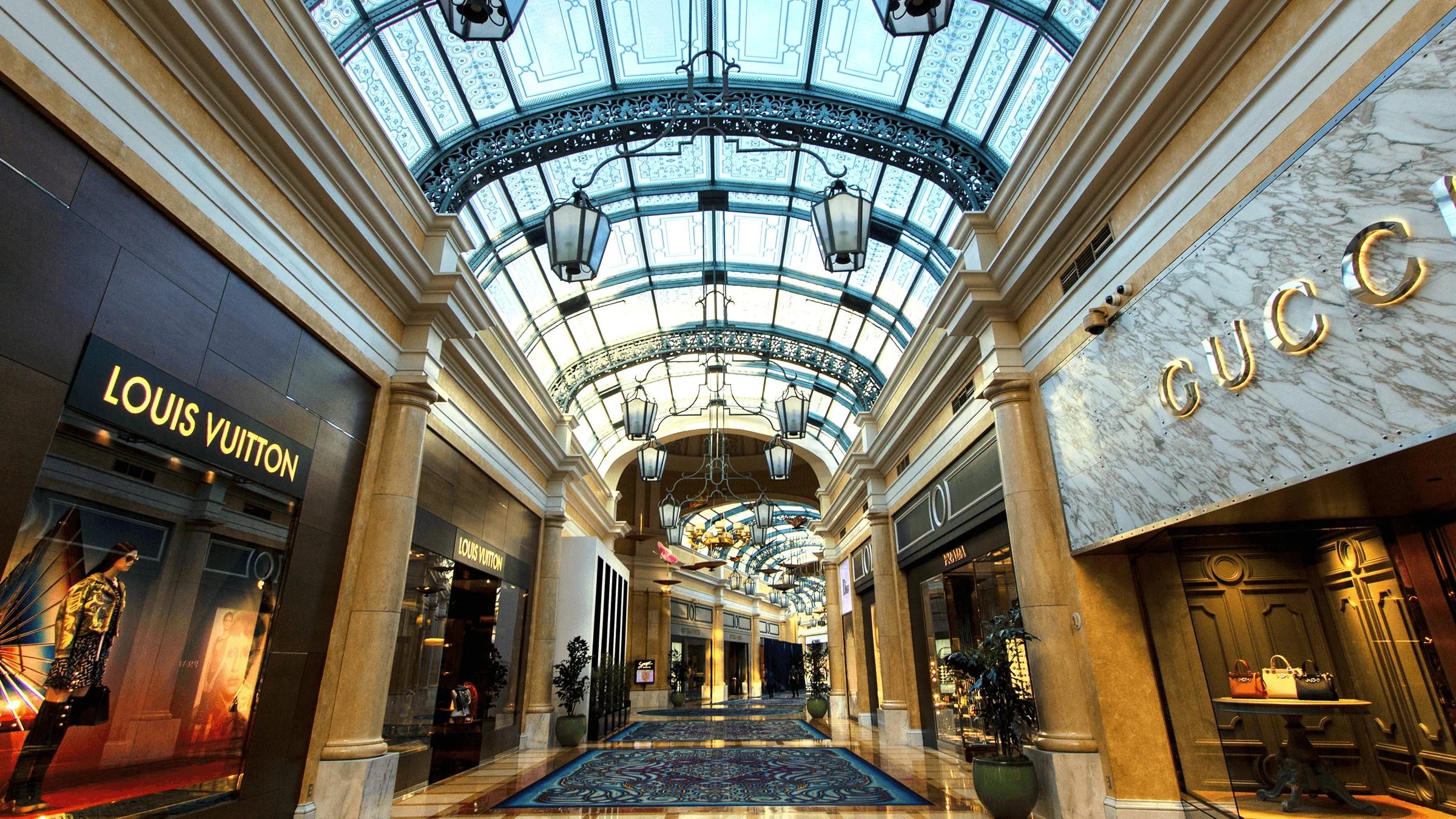
Luxury shopping centers are more than just high-end stores—they are destinations that blend lifestyle, experience, and brand prestige. Leasing retail spaces in such centers comes with unique challenges and opportunities. Understanding the dynamics of luxury retail leasing is key for landlords, investors, and brands looking to thrive in this competitive sector.
Understanding the Luxury Retail Landscape
The luxury retail market has evolved from being solely product-focused to experience-driven. Today, consumers are not just buying products; they are buying a story, an experience, and a lifestyle. Luxury shopping centers act as the stage where these experiences unfold.
High-end malls attract affluent shoppers who expect not only premium products but also exceptional service, ambiance, and exclusivity. This makes leasing strategies in these centers different from traditional retail spaces.
Key Factors Driving Retail Leasing Decisions
When it comes to luxury retail leasing, both landlords and tenants weigh several factors before signing agreements.
Location and Visibility
Prime locations within a shopping center can make a significant difference in foot traffic and sales.
Storefronts with high visibility, close to main entrances or anchor tenants, are highly sought after.
Tenant Mix and Brand Positioning
Successful luxury malls curate their tenant mix to enhance the overall prestige of the center.
Complementary brands and exclusive offerings help maintain the shopping center’s high-end image.
Lease Terms and Flexibility
Luxury retailers often prefer leases with flexible terms to accommodate seasonal trends, pop-up concepts, or experiential activations.
Landlords who offer adjustable terms may attract premium tenants looking for adaptive retail strategies.
Foot Traffic and Consumer Demographics
Detailed analysis of target customer demographics is critical.
Luxury brands often prioritize centers with high-net-worth clientele and strong international visitor presence.
Strategic Approaches for Tenants
Luxury retailers must adopt a strategic approach to leasing to maximize their return on investment.
Researching the Right Shopping Center
Evaluate the center’s footfall data, visitor profiles, and brand mix.
Consider the location relative to competitors and complementary brands.
Negotiating Lease Terms
Flexible lease agreements can allow for seasonal adjustments or marketing collaborations.
Rent structures may include base rent plus sales percentage, requiring careful financial planning.
Store Design and Experience
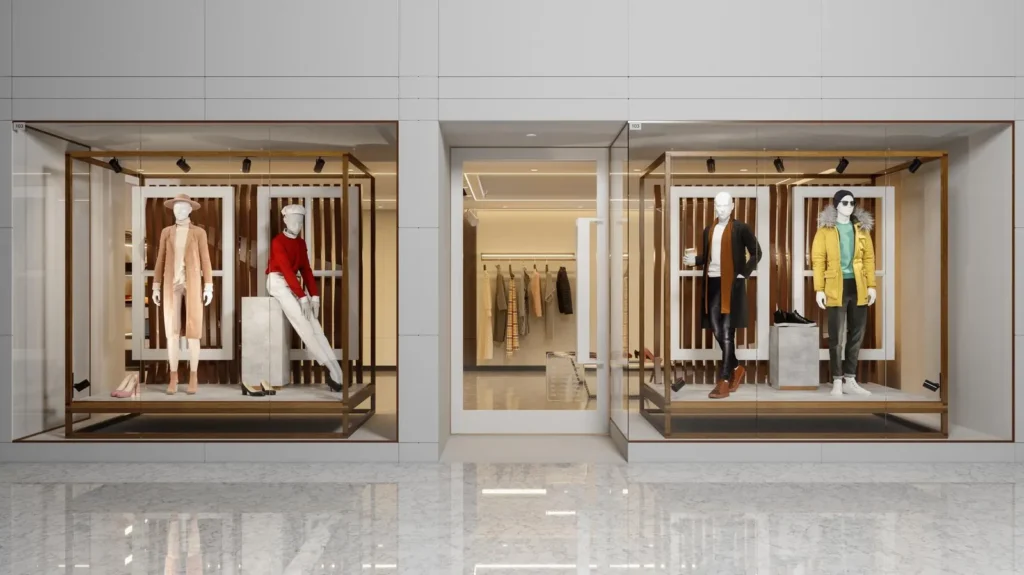
The store’s layout and design should align with the brand’s luxury positioning.
Unique in-store experiences, from personalized service to interactive displays, increase customer engagement.
Marketing and Collaborative Opportunities
Partnering with the mall on events or exclusive promotions can drive additional foot traffic.
Cross-brand collaborations enhance the center’s reputation and the retailer’s visibility.
Insights for Landlords
Landlords play a crucial role in shaping the success of luxury shopping centers. Proper leasing strategies can maximize occupancy, foot traffic, and revenue.
Curating a Prestigious Tenant Mix
Carefully select tenants whose brands complement the overall luxury image.
Balance between established global names and emerging luxury brands to attract a diverse customer base.
Flexible Leasing Models
Offering short-term leases or pop-up options can attract experimental luxury concepts.
Performance-based rent models encourage retailers to maximize sales while ensuring landlords benefit from high-performing tenants.
Enhancing Customer Experience
Invest in premium amenities, concierge services, and attractive common areas.
High-end events, fashion shows, and exclusive launches drive engagement and repeat visits.
Data-Driven Leasing Decisions
Utilize analytics to monitor foot traffic, dwell time, and sales performance.
Adjust leasing strategies based on performance data to maintain a competitive edge.
Trends Shaping Luxury Retail Leasing
The luxury retail sector is constantly evolving, and understanding current trends can help both tenants and landlords make informed decisions.
Experiential Retail
Consumers increasingly value experiences over products.
Malls that offer lifestyle-oriented spaces, interactive displays, and personalized services attract higher spending.
Omnichannel Integration
Luxury brands increasingly blend physical and digital experiences.
Retailers with seamless online-to-offline strategies thrive in luxury shopping centers.
Sustainability and Social Responsibility
Consumers prefer brands and centers that prioritize sustainability.
International tourists remain key revenue drivers for luxury centers.
Centers located in cosmopolitan cities or high-tourist destinations have an advantage in attracting premium tenants.
Challenges in Luxury Retail Leasing
Leasing in luxury shopping centers is not without its challenges. Both landlords and tenants must navigate complex dynamics.
High Rental Costs
Prime locations come with premium rent, which can impact profitability for smaller luxury brands.
Careful financial planning and revenue projections are essential.
Market Volatility
Economic downturns and shifts in consumer behavior can affect foot traffic and sales.
Adaptive lease structures and contingency planning mitigate risks.
Competition and Brand Saturation
Overcrowding of similar luxury brands can dilute the market.
Strategic brand placement and exclusivity agreements help maintain differentiation.
Operational Demands
Luxury retailers face higher expectations for staffing, customer service, and store presentation.
Landlords must ensure facilities and services meet these high standards.
Future Outlook
The future of luxury retail leasing is likely to be shaped by innovation, experience, and personalization. Retailers and landlords who embrace flexibility, data-driven decision-making, and customer-centric strategies will thrive.
Smart Leasing Technologies
Digital tools for space planning, predictive analytics, and customer behavior tracking enhance decision-making.
Experiential Anchors
Integrating lifestyle, culture, and entertainment elements can transform shopping centers into destination experiences.
Sustainable Luxury
Eco-conscious luxury offerings are expected to grow, attracting ethically-minded consumers.
Collaborative Ecosystem
Partnerships between brands, centers, and technology providers will redefine customer engagement and leasing strategies.
Conclusion
Leasing retail space in luxury shopping centers is more than a transactional arrangement—it is a strategic partnership between landlords and tenants. Success depends on understanding consumer behavior, market dynamics, and the importance of brand positioning.
For tenants, the key lies in choosing the right location, designing immersive experiences, and negotiating flexible lease terms. For landlords, curating the right tenant mix, offering innovative leasing solutions, and enhancing the overall customer experience are essential.
In a rapidly evolving retail landscape, those who adapt, innovate, and prioritize the luxury shopper’s experience will not only survive but thrive.