
The global commercial leasing market has evolved into one of the most dynamic spaces for expat entrepreneurs looking to expand their ventures. In thriving business destinations such as Dubai, Singapore, and London, foreign investors and startup founders are realizing that leasing—not buying—can be a strategic move for growth. With flexible terms, reduced upfront costs, and prime locations, leasing offers expats the chance to establish a professional presence without committing massive capital.
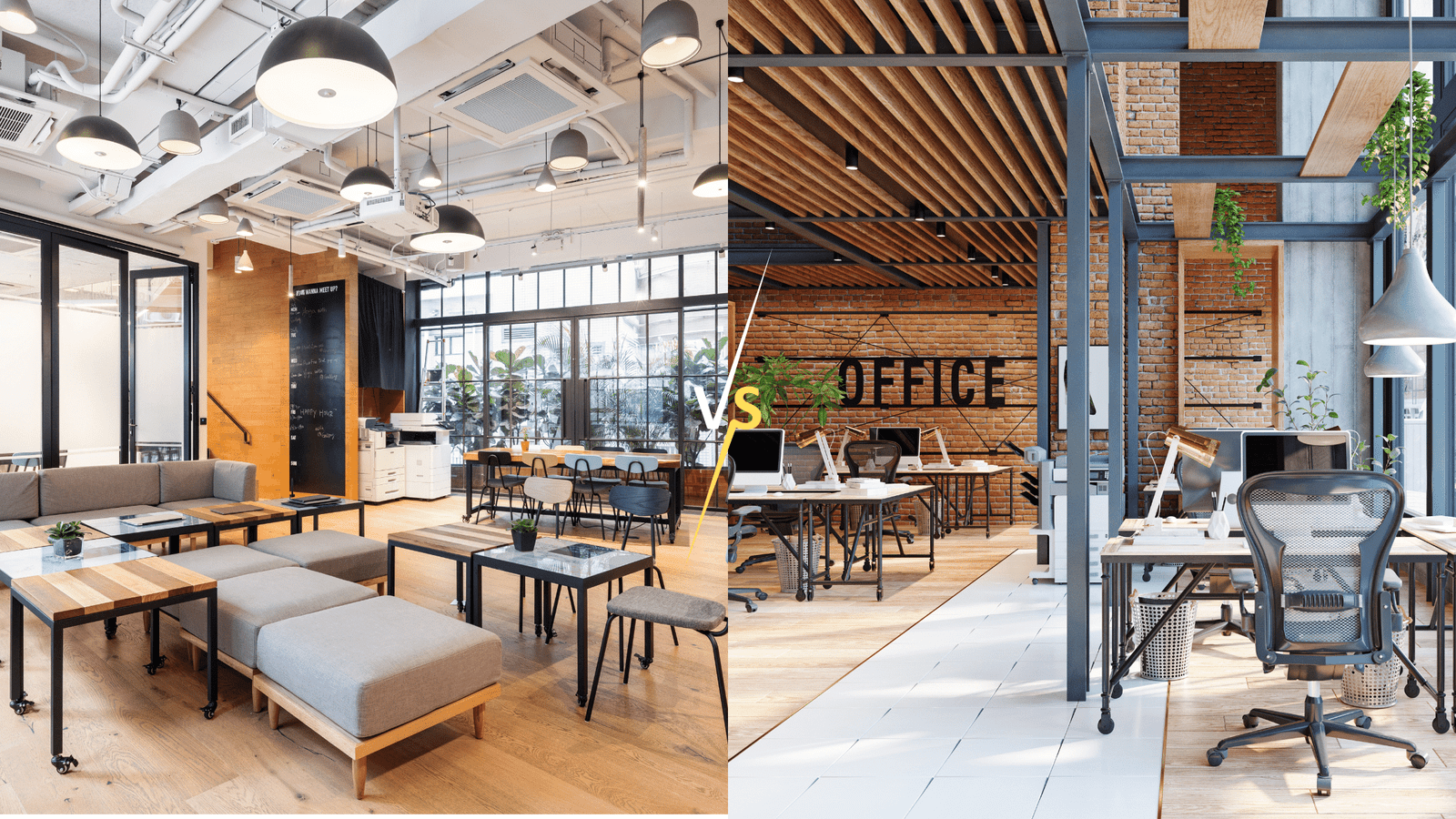
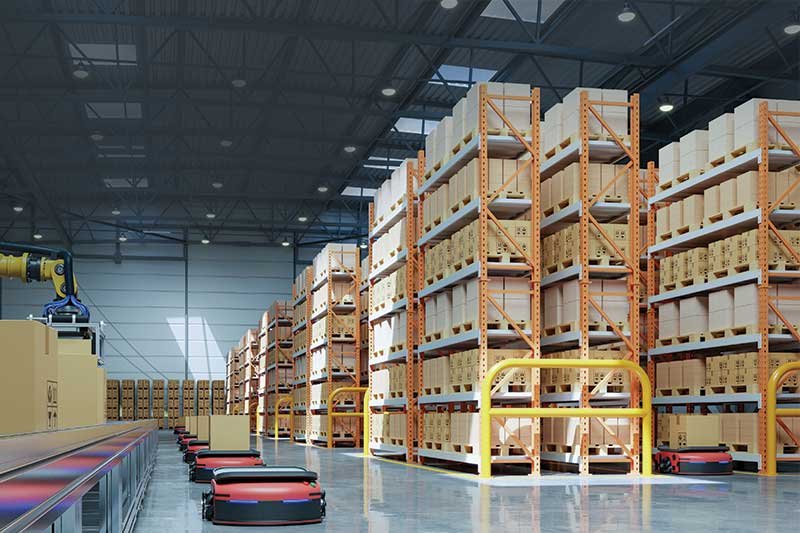
The modern business world thrives on agility. Entrepreneurs are moving toward flexible leasing solutions that allow them to adapt to changing market trends. Whether it’s a co-working hub, retail shop, or warehouse space, the key to success lies in understanding local regulations, rent trends, and lease negotiation tactics.
Expats are drawn to leasing for one main reason—freedom. Owning commercial property in a foreign country often involves high capital investment, lengthy approval processes, and complex legal requirements. Leasing, however, provides immediate access to the market with fewer restrictions.
For example, entrepreneurs in tech, hospitality, and logistics sectors prefer short-to-medium-term leases that allow them to test the waters before scaling up. In many global cities, flexible leases include furnished offices, business support services, and maintenance, which save both time and cost.
Moreover, leasing gives expats the flexibility to move or expand their business when the market demands. If one location underperforms, they can relocate to a more profitable district without incurring heavy losses. This adaptability makes leasing a smarter strategy than ownership, particularly in unpredictable global economies.
The commercial leasing landscape is not static—it’s influenced by several market drivers. Understanding these can help expat entrepreneurs make informed leasing decisions:

Certain global hubs stand out for their strong commercial leasing potential. Understanding their market behavior helps expats identify the right opportunities.
1. Dubai, UAE: Known for its strategic location and tax benefits, Dubai remains a hotspot for expat entrepreneurs. From logistics warehouses in Jebel Ali to retail spaces in Downtown Dubai, the city offers unmatched diversity. The Dubai Land Department has also made leasing regulations transparent, giving expats greater confidence.
2. Singapore: A financial and innovation hub, Singapore attracts tech-driven startups. Leasing demand is high for modern office towers in the Central Business District, while suburban spaces cater to smaller firms.
3. London, UK: Despite Brexit uncertainties, London’s commercial leasing market continues to thrive due to international demand for flexible office spaces and creative studios.
4. Hong Kong: Its dense population and business ecosystem create strong demand for leasing, especially in financial and trading sectors.
5. Doha and Riyadh: Emerging as new business centers, these cities are investing heavily in infrastructure, offering expats opportunities to lease commercial properties in developing markets.
Different regions offer unique commercial leasing structures. Understanding these models can help expats select the right fit for their business:
Each leasing type has its pros and cons, but the choice depends on the nature and size of the business, the local market, and cash flow considerations.
While the commercial leasing market offers great potential, expat entrepreneurs often encounter unique challenges that require careful navigation.
1. Understanding Local Laws and Regulations: Each country has specific leasing laws, including restrictions on foreign ownership or tenant rights. Expats should always seek legal advice before signing any agreement.
2. Currency Fluctuations: Leasing in a foreign currency can lead to financial unpredictability, especially in markets with volatile exchange rates.
3. Hidden Costs: Maintenance fees, taxes, and renewal charges can add up quickly. Reading the fine print and negotiating transparent terms is crucial.
4. Cultural Differences in Negotiation: Business etiquette and negotiation practices vary across regions. Being culturally aware can lead to better lease deals and stronger relationships with landlords.
Successful lease negotiation is an art. Expat entrepreneurs who master it can save thousands annually. Here are some proven strategies:
Sustainability is now a major consideration in the commercial leasing world. Businesses are moving toward eco-friendly buildings with energy-efficient systems, solar panels, and waste reduction facilities.
Smart leasing agreements often include digital features such as automated lighting, climate control, and smart access systems. These not only enhance operational efficiency but also project a forward-thinking image to clients and investors.
For expat entrepreneurs, choosing green-certified buildings can also enhance brand reputation and attract environmentally conscious customers or partners.

Before entering any leasing agreement, it’s vital to plan finances strategically. Key factors to consider include:
Proper budgeting not only ensures smoother operations but also helps maintain financial stability during the early business phase.
Technology has revolutionized the commercial leasing market. Digital platforms now enable entrepreneurs to explore, compare, and secure spaces remotely. Virtual tours, AI-driven lease comparison tools, and blockchain-based contracts are streamlining the process for expats worldwide.
This digital convenience empowers entrepreneurs to make faster decisions, reducing the need for middlemen and lowering costs. It also improves transparency, helping tenants understand market dynamics before committing.
The commercial leasing market is set for steady growth as globalization continues. Analysts predict that flexible workspaces and hybrid leasing models will dominate the next decade.
Expats will play a vital role in shaping this trend, as international entrepreneurs continue to seek adaptive, scalable spaces in global business hubs. The focus will shift toward smart, sustainable, and community-driven commercial environments.
Cities investing in infrastructure, renewable energy, and business-friendly policies will remain attractive to expat entrepreneurs. As a result, leasing will become not just a necessity but a competitive advantage for global startups.
The commercial leasing market offers a powerful gateway for expat entrepreneurs seeking to establish or expand their businesses abroad. With careful planning, market research, and strategic negotiation, leasing can unlock tremendous growth opportunities while minimizing risk.
From flexible co-working hubs in Dubai to smart offices in Singapore, the global leasing landscape is brimming with potential. The key lies in choosing the right space, understanding the terms, and aligning your lease with long-term business goals.
In a world where adaptability defines success, commercial leasing remains one of the smartest, most sustainable paths for expat entrepreneurs ready to thrive in the global market.
Do Follow Estate Magazine on Instagram
High-ROI Office Spaces Near Dubai Free Zones: Complete ROI Guide