
In the modern logistics and storage world, the expectations placed on warehouses have changed dramatically. With global supply chains expanding and businesses dealing with increasingly delicate products, traditional storage facilities are no longer sufficient. This shift has given rise to climate-controlled warehouses, an advanced storage solution designed to protect goods from temperature fluctuations, humidity, dust, and other environmental hazards.
These warehouses are more than temperature-regulated spaces. They provide a controlled environment essential for industries that handle sensitive products, ensuring both product safety and customer satisfaction. Understanding how they work and why they matter can help businesses make informed decisions that ultimately safeguard their inventory and reputation.
Climate-controlled warehouses are specialized storage facilities equipped with technology that regulates temperature, humidity, and air quality. Unlike standard warehouses that may expose goods to external weather conditions, these controlled environments maintain consistent internal conditions throughout the year.
Typically, temperatures in such facilities stay between 55°F and 80°F, while humidity is carefully managed to prevent excess dryness or moisture. This level of precision makes climate-controlled warehouses ideal for storing electronics, pharmaceuticals, artwork, food products, luxury items, and important documents.
For many types of products, temperature and humidity fluctuations are more harmful than most business owners realize. Even small deviations over time can lead to costly product damage.
Some important reasons climate control is crucial include:
Temperature control protects the physical integrity of your goods, while humidity control preserves their quality and lifespan.
Climate-controlled warehouses are essential across numerous industries, especially those dealing with items that need a stable environment.
Pharmaceuticals and Healthcare
Medicines, vaccines, and medical devices require precise temperature control. Even slight temperature deviations can impact chemical composition, making climate-controlled storage a non-negotiable requirement.
Electronics and High-Tech Equipment
Electronic components are highly sensitive to moisture and heat. Stable storage conditions prevent corrosion, malfunction, and long-term degradation.
Food and Beverage
Gourmet items, dairy products, premium chocolates, and beverages must be stored carefully to retain freshness, taste, and safety.
Fashion, Textiles, and Luxury Goods
Leather, silk, designer clothing, and accessories can warp or fade if exposed to humidity or heat, making climate-controlled environments essential.
Art, Antiques, and Historical Archives
Paintings, sculptures, manuscripts, and antiques need stable conditions to prevent fading, cracking, or chemical changes.
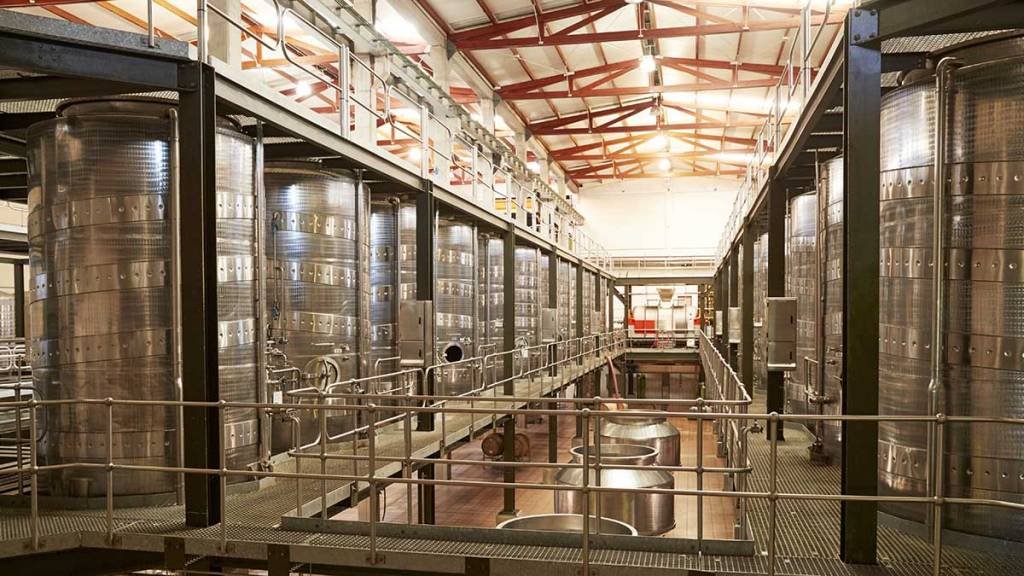
Climate-controlled warehouses are equipped with advanced systems that work together to maintain the ideal conditions for stored goods.
Advanced HVAC Systems
High-performance heating, ventilation, and air conditioning systems are used to regulate temperature and air quality.
Insulated Building Materials
Walls, ceilings, and floors are constructed using materials designed to retain temperature and block external weather conditions.
Sophisticated Monitoring and Sensors
Digital sensors measure and monitor temperature and humidity levels in real time, sending alerts if any fluctuations occur.
Backup Power Systems
Generators or alternative power sources keep climate systems functioning during outages, reducing the risk of product damage.
Air Filtration Systems
Filters remove dust, pollutants, and airborne particles to ensure clean air circulation around sensitive goods.
Although climate-controlled warehouses cost more than standard facilities, they offer long-term financial benefits that make them a smart investment.
Some of the ways businesses gain ROI include:
The upfront cost is quickly recovered through risk reduction, operational stability, and improved product longevity.
Choosing the best facility requires evaluating more than just the temperature settings. Businesses should consider several factors before selecting a warehouse.
Location and Accessibility
Warehouses located near transport hubs or production centers help reduce delivery time and logistics expenses.
Storage Specifications
Ceiling height, racking options, floor strength, and capacity must match your inventory’s needs.
Technology Integration
Real-time monitoring, digital inventory management, and automated reporting provide better control and transparency.
Security Measures
The facility should have surveillance, restricted access, and advanced fire safety systems.
Compliance and Certifications
For items such as pharmaceuticals or food products, regulatory compliance is essential.
Many modern climate-controlled warehouses are integrating automation and smart systems to operate more efficiently.
Some of the advancements include:
These technologies improve consistency, reduce costs, and enhance operational reliability.
Sustainability is becoming a key focus for storage and supply chain operations. Climate-controlled warehouses are adopting eco-friendly technologies to reduce their environmental impact.
These include:
Such practices help reduce operational costs while supporting global environmental goals.
Despite their growing popularity, several misconceptions persist about climate-controlled warehouses.
One common myth is that they are only for high-end products. In reality, many standard goods can degrade in uncontrolled environments. Another misconception is that regular air conditioning provides sufficient protection. Standard cooling systems cannot maintain humidity levels or air circulation in a precise manner.
Businesses also assume climate-controlled storage is too expensive. However, when factoring in reduced losses and improved customer satisfaction, it becomes one of the most cost-effective choices.
E-commerce businesses see significant seasonal spikes in demand, especially during holidays or promotional events. Climate-controlled warehouses allow them to store large quantities of sensitive inventory in advance without the risk of product deterioration.
For instance, skincare brands, gourmet food retailers, and electronics sellers rely heavily on these facilities to ensure quality and consistency during peak seasons. Stored products remain protected, and businesses can fulfill orders quickly without worrying about quality issues.
The future of climate-controlled storage is shaped by the rapid advancements in automation, data analytics, and sustainability. Over the next decade, we can expect significant innovations.
These developments may include:
These innovations will drive efficiency, reduce costs, and help businesses maintain high-quality standards.
If you are evaluating climate-controlled warehousing for your business, here are some practical steps to guide your decision:
Climate-controlled warehouses have become essential for businesses that prioritize quality, safety, and long-term value. They offer superior protection for sensitive goods, reduce risks, and provide operational stability in fast-moving global markets.
More than just temperature-controlled units, these warehouses represent the future of efficient, reliable storage. Businesses that invest in climate-controlled solutions today position themselves ahead of competitors by preserving product quality, enhancing customer trust, and ensuring consistent performance.
As market demands rise and customer expectations evolve, climate-controlled storage is no longer a luxury. It is a strategic necessity that helps businesses protect their inventory and elevate their operations for the long term.
Do Follow Estate Magazine on Instagram
Co-Working Spaces With Tech-Enabled Facilities Are Redefining Modern Work