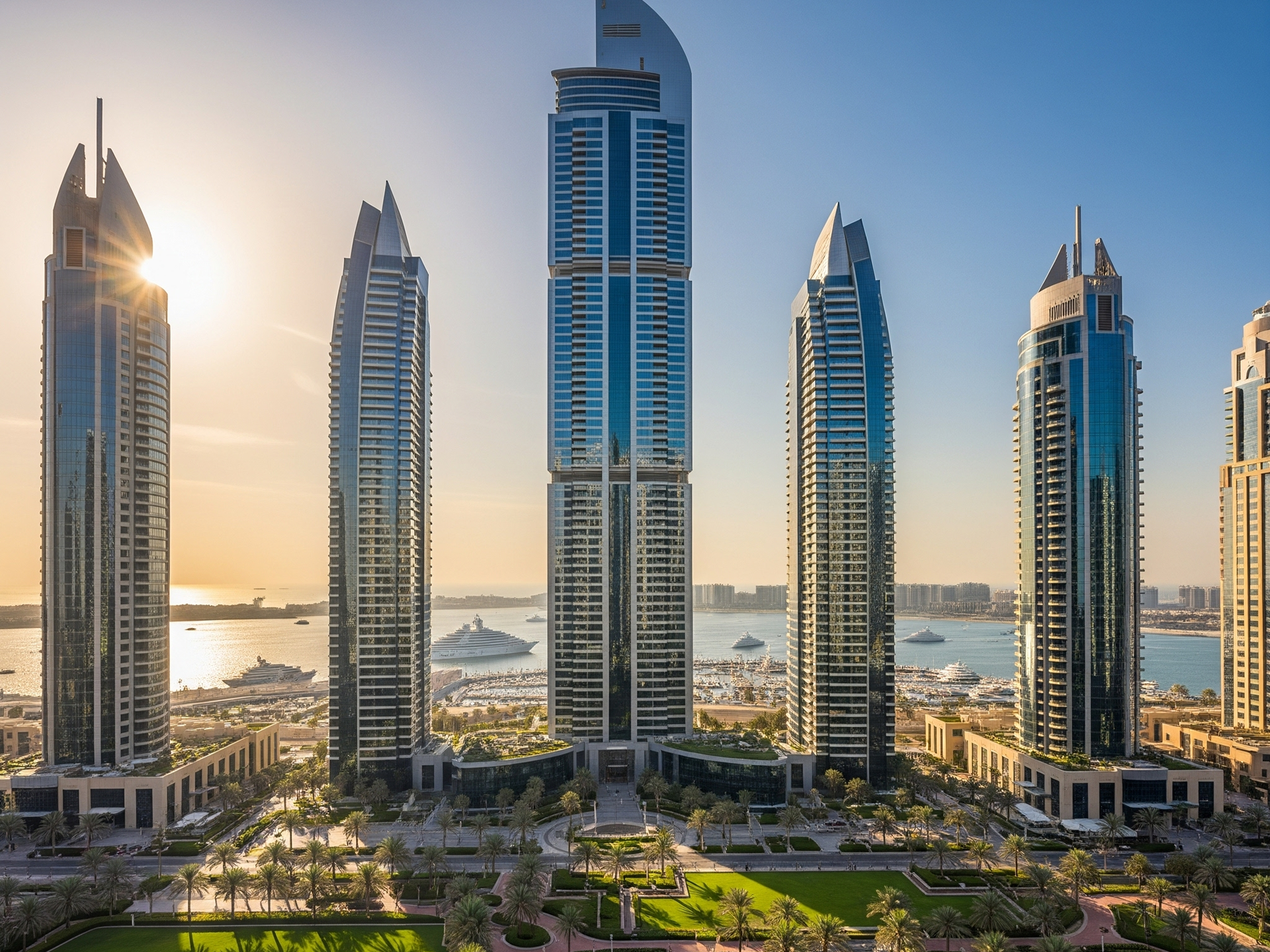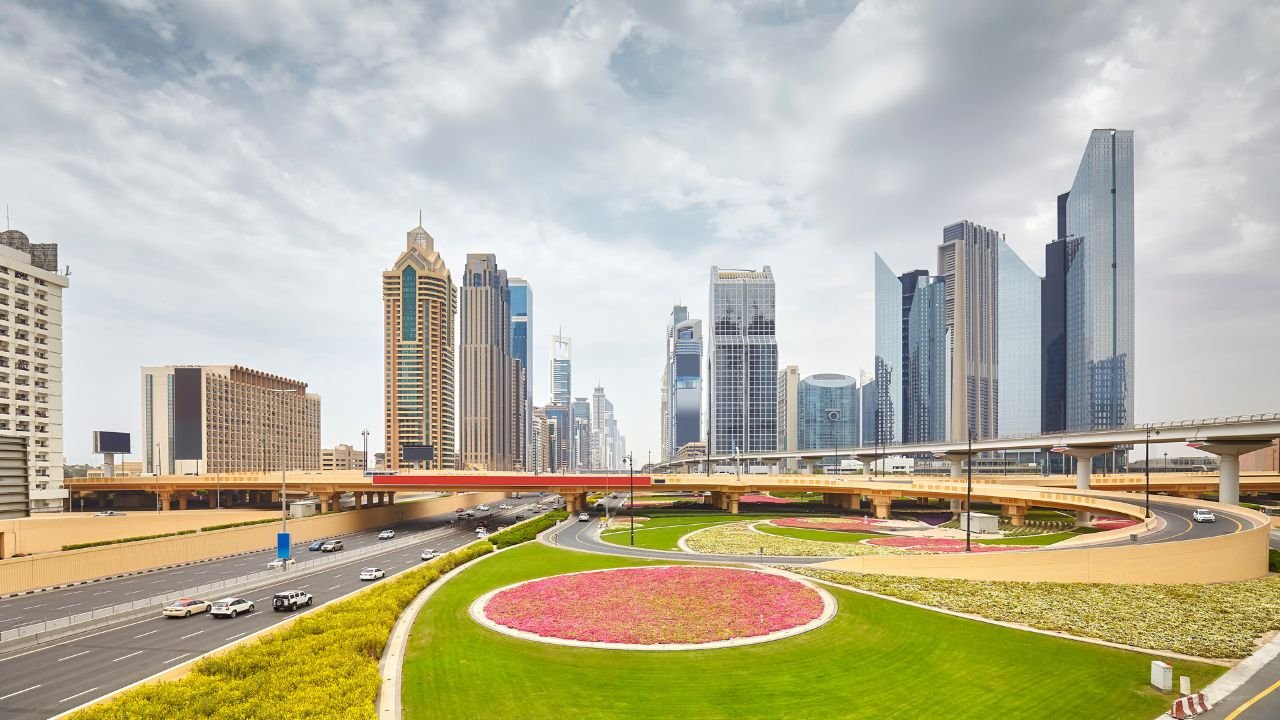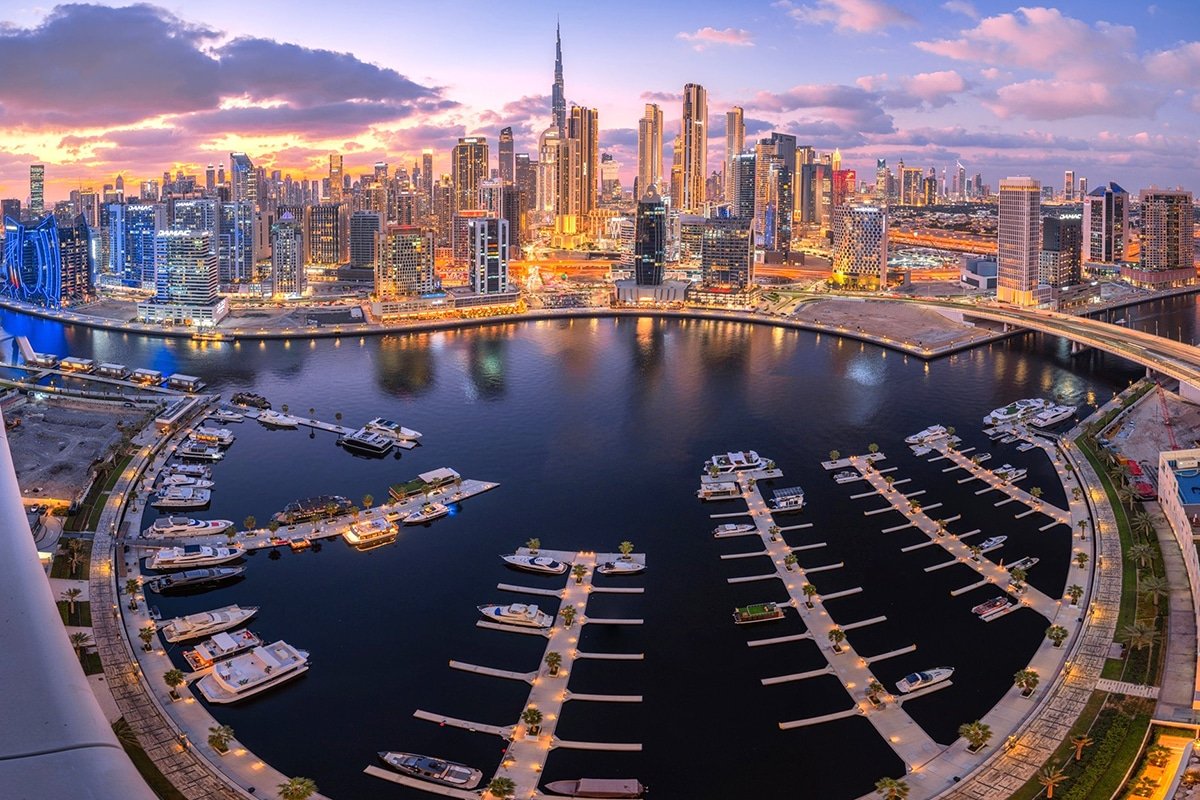
The UAE real estate market is one of the most dynamic, fast-growing, and globally attractive property hubs. Yet despite its transparency and ambition, the market is surrounded by myths that often confuse buyers, investors, and even long-term residents. These misconceptions spread quickly, especially among first-time investors and international buyers who rely on outdated assumptions or hearsay. This article cuts through the noise, breaks down the biggest myths, and reveals the real truths so buyers can make confident decisions in a market filled with opportunities.
Before diving into specific myths, it’s important to understand why so many misconceptions exist in the first place. The UAE’s real estate sector has evolved at a breathtaking pace. With new laws, new mega-developments, and shifting global investor sentiment, information changes fast. What was true ten years ago is no longer the case today. Because of this rapid evolution, many people still rely on outdated beliefs that hold them back from making smart investment decisions. Now, let’s explore the most common myths and the real truths behind them.
Many believe that purchasing property in the UAE requires enormous wealth. While ultra-luxury properties do dominate headlines, the reality is far more inclusive. Affordable homes, entry-level apartments, and competitively priced townhouses are available across major emirates. Developers today focus heavily on mid-market housing, with flexible payment plans, smaller ticket sizes, and community-focused developments. Whether someone is a first-time buyer or a seasoned investor, there are opportunities that don’t require millionaire-level budgets.
One of the most persistent misconceptions is the belief that foreigners cannot legally own property in the UAE. This was partially true many years ago in select locations, but today, major emirates such as Dubai, Abu Dhabi, and Ras Al Khaimah offer designated freehold areas where non-UAE nationals can own property outright. The government has made foreign investment a priority, offering long-term visas and ownership rights that create stability and trust.
It is easy to assume that a fast-growing market must be unstable. In reality, the UAE has implemented one of the most robust real estate regulatory frameworks in the region. From escrow regulations for off-plan projects to strict developer accountability, the system encourages transparency and safeguards investor rights. While no market is risk-free, the UAE’s consistent economic vision, rising population, and tourism expansion provide steady fundamentals that support long-term growth rather than volatility.
Off-plan developments used to raise concerns due to past delays or incomplete projects. However, today’s environment is completely different. Developers must comply with strict escrow rules, construction milestones, and progress reporting. Buyers can purchase off-plan property with confidence, provided they work with reputable developers and verified brokers. Off-plan also offers flexible payment structures and attractive entry prices, making it a strong opportunity for both end-users and investors.
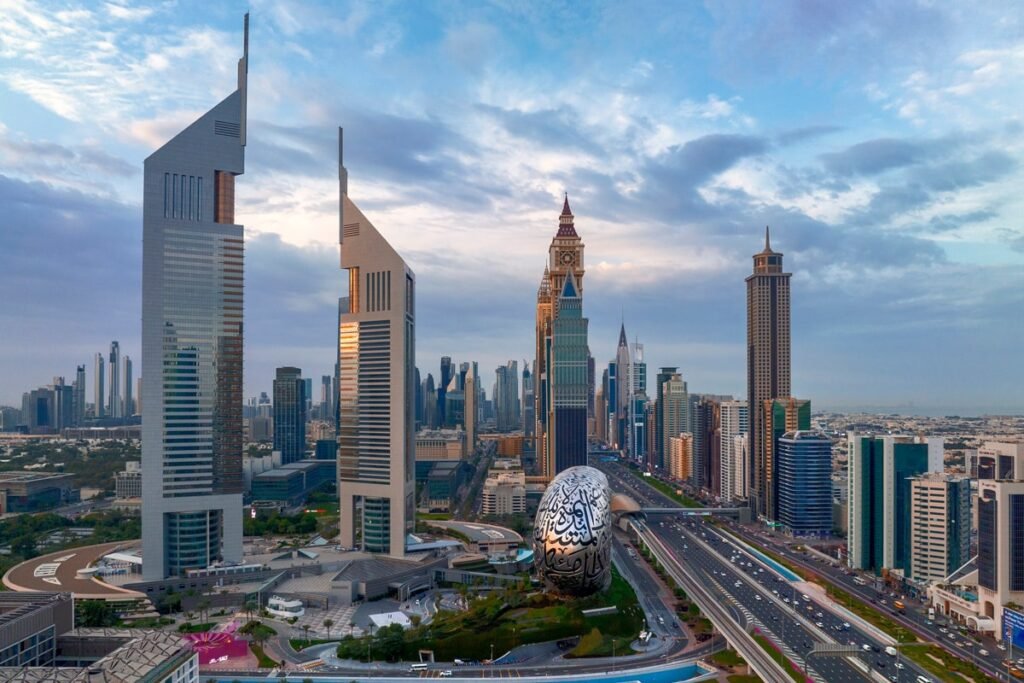
The assumption that renting is always cheaper prevents many residents from entering the property market. With competitive mortgage rates, long-term value growth, and low service charges in certain communities, buying can be more affordable over the long term compared to renting. For many residents, monthly mortgage payments are comparable to or even lower than annual rents. This shift has encouraged thousands of long-term expats to become homeowners.
Some buyers hesitate because they believe prices are inflated and unsustainable. However, the UAE’s price structure is supported by strong demand, world-class infrastructure, global migration trends, and a limited supply of high-quality homes in premium locations. While prices have increased in certain segments, this growth aligns with the country’s economic progress. The market also offers diverse price brackets across different communities, ensuring options for various investor profiles.
The perception that the UAE is a short-term, speculative market no longer reflects today’s reality. With strong urban planning, long-term strategic vision, and steady population growth, the demand for homes continues to expand. The introduction of long-term visas, retirement schemes, and business-friendly policies signals that the UAE views itself as a long-term home for global residents. Investors who hold property for extended periods are seeing consistent capital appreciation and stable rental returns.
Dubai is the most popular real estate destination, but it is far from the only one with strong returns. Abu Dhabi, Sharjah, Ras Al Khaimah, and Ajman all have growing residential and hospitality markets offering attractive entry prices and healthy rental yields. Each emirate has its own strengths. Buyers who explore beyond Dubai often discover hidden opportunities with impressive long-term potential.
Another misconception is that buyers must make massive upfront payments. In reality, many off-plan properties offer payment plans with low initial deposits. Even ready properties can be financed through mortgages with manageable down payments. Developers frequently introduce innovative payment schemes, including post-handover plans that allow buyers to move in while paying over several years.
The UAE consistently delivers high rental yields compared to global cities. Between residential apartments, villas, and serviced homes, investors can expect competitive annual returns depending on location, property type, and tenant demand. Strong tourism also boosts short-term rentals, turning holiday homes into powerful revenue generators.
Some foreign investors believe they might struggle to resell property. In reality, popular communities enjoy strong demand, especially those near metro stations, waterfronts, and developed infrastructure. With the UAE attracting global migration, new investors enter the market continuously, contributing to ongoing liquidity. Working with experienced agents ensures smoother transactions and better visibility among potential buyers.
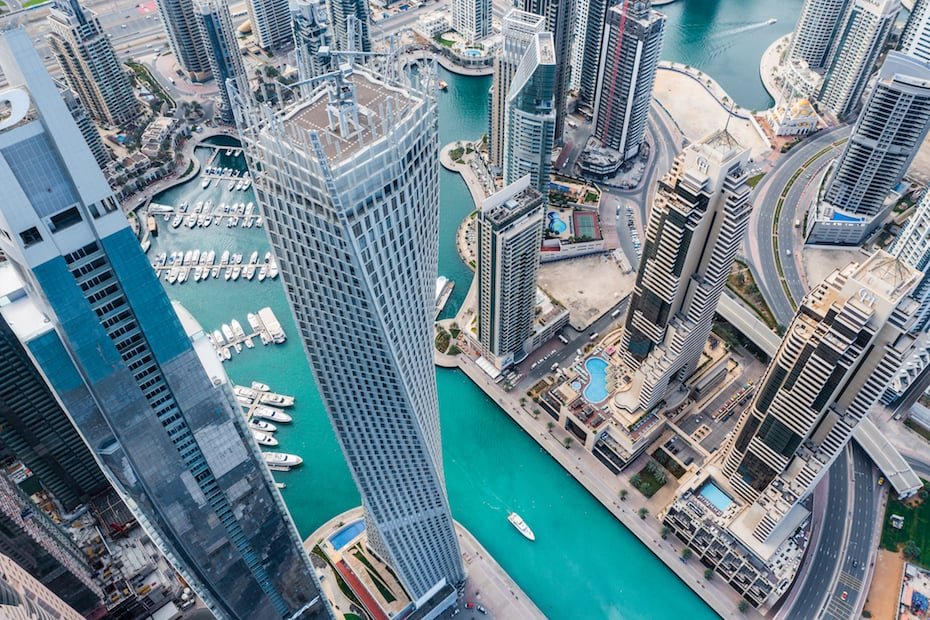
Many buyers assume owning UAE property does not contribute to residency benefits. Today, property investors can access renewable visas depending on investment value and eligibility. These visa initiatives strengthen investor confidence and attract long-term residents who want stability for their families and businesses.
Luxury homes often dominate the headlines, but mid-market properties and new communities regularly outperform premium areas due to rising demand and limited supply. Emerging communities with schools, parks, shopping districts, and improved connectivity have shown strong appreciation as buyers shift toward affordability, larger layouts, and lifestyle-driven homes.
First-time buyers sometimes feel overwhelmed by paperwork or legal steps. With the right agent or advisor, the process is smooth, transparent, and efficient. Digital transactions, online title deed systems, and clear regulations make the UAE one of the most convenient markets for international investors.
Misconceptions hold back potential buyers from taking advantage of one of the world’s most promising real estate markets. By understanding the true dynamics of the UAE property landscape, investors can seize opportunities with clarity, confidence, and long-term vision. The UAE real estate market is not just growing; it is maturing. Transparency is improving, regulations are strengthening, and the country’s global standing continues to rise. For buyers willing to look beyond the myths, the UAE offers stability, innovation, and unmatched potential.
The UAE’s real estate sector is filled with immense opportunity, diverse price points, and strong long-term fundamentals. Whether someone is purchasing for personal use or investment, understanding the truth behind popular myths is the first step toward making informed decisions. As the market continues to evolve, staying updated, working with trusted experts, and relying on accurate information will help buyers navigate confidently and build wealth in one of the world’s most dynamic destinations.
Do Follow Estate Magazine on Instagram
Read More:- Why Eagle Heights in Dubai Sports City is a Smart Investment 2025