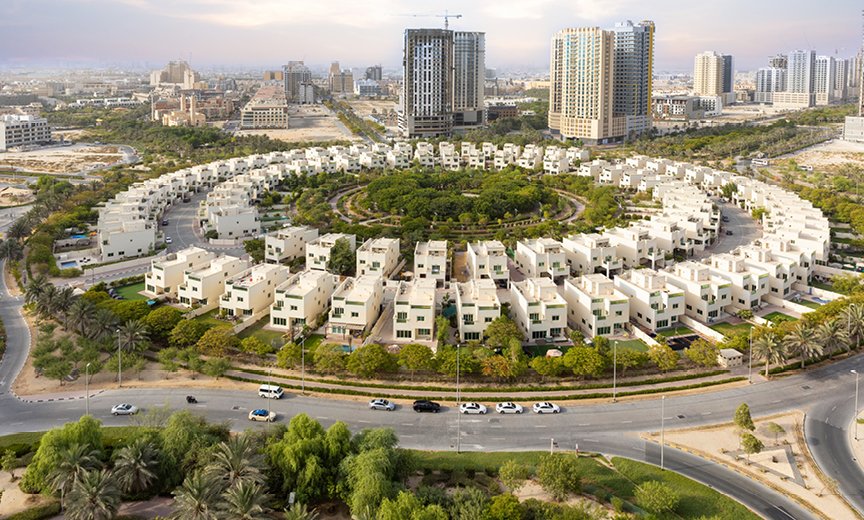

The UAE housing market has long been promoted as a land of opportunity, rapid growth, and impressive returns. While this is true in many respects, there is another side to the story that rarely makes it into glossy brochures, sales presentations, or marketing campaigns. Developers focus on the attractive parts of the market—the luxury, the innovation, the high rental yields—but buyers and investors deserve the full picture to make informed, confident decisions.
Understanding what lies beneath the surface is essential, especially in a market as fast-moving, diverse, and competitive as the UAE’s. This article dives deep into the truths developers often choose not to highlight, revealing the realities that every buyer and investor should know.
One of the most common tactics in the UAE housing market is releasing “discounted” prices that have already been factored into the initial listing. Buyers often feel they are securing a special deal, when in fact the property was never meant to sell at the higher published price.
Developers do this to create urgency and the illusion of exclusivity. While the discount might sound substantial, the final price may still be aligned with or even above market value.
Flexible payment plans are one of the biggest selling points in off-plan projects. On the surface, they seem like an incredible advantage: smaller upfront payments, extended schedules, and post-handover options. However, these plans often come with hidden costs.
Extended payment structures may increase the overall price of the property. Buyers end up paying more for convenience, even though developers advertise these plans as a financial relief. The interest cost may not be explicitly mentioned, but it is certainly built into the total amount.
The UAE is known for rapid construction, ambitious developments, and continuous expansion. But this pace sometimes creates oversupply—more units than the market can absorb at once.
This is not something developers usually mention, as oversupply affects both rental yields and long-term property appreciation. In highly saturated areas, rental competition becomes intense, reducing income for investors and making it harder for owners to maintain occupancy.
When buyers enter a market brimming with new launches, resale properties often struggle to stand out. A brand-new tower next door with modern amenities and lavish branding can easily divert demand.
This puts downward pressure on resale prices, creating slower growth and sometimes even depreciation. Developers rarely discuss this because their focus is on selling their new units, not guiding buyers on long-term resale performance.

Developers often promote grand amenities—sky pools, designer lobbies, smart home systems, wellness centres, private theatres, and more. While these features look great on brochures, the reality can sometimes be different.
Some amenities are underused by residents, and others become costly to maintain. Service charges rise over time, especially in buildings with extensive luxury features. These charges, usually highlighted briefly and vaguely, can grow significantly as buildings age.
Service charges are a recurring cost that developers do not emphasise enough. While initial charges might seem manageable, they typically rise after a few years as maintenance needs increase.
For investors, rising service fees can reduce net rental returns. For end-users, it becomes an additional yearly burden. Most buyers underestimate this cost because developers package the lifestyle first and the financial reality second.
Off-plan buying is popular in the UAE because of affordability and flexible payments. But delays are a common part of the landscape. While developers showcase ideal timelines, real-life factors such as construction approvals, supply chain issues, labour shortages, or economic shifts can slow progress.
Delays may not always result in penalties for developers, but they can disrupt buyers’ plans—especially those expecting rental income or planning to move in.
What you see in a show apartment is not always what you get. Developers can legally make design changes as long as they fall within certain allowances. Buyers often discover differences—smaller layouts, altered materials, or cost-effective alternatives—only at handover.
Developers also work with various contractors, and quality can vary widely. These are aspects rarely mentioned during sales pitches.
Developers often promote attractive rental yields, using “up to” numbers that represent ideal conditions. These yields assume high occupancy, competitive rents, strong demand, and minimal maintenance costs—all of which fluctuate with market cycles.
Real rental yields depend on location, building quality, surrounding supply, management efficiency, and seasonal shifts. Buyers who expect guaranteed income may face disappointment when actual numbers fall short.
Short-term rental platforms have created a new wave of investor interest. But developers rarely mention the extra costs involved: furnishing, licensing, property management, cleaning, utilities, and wear-and-tear.
Additionally, competition in short-term markets is rising. New projects with branded residences and hotel-like services are entering the market, pushing independent owners to lower rates or increase spending to stay competitive.
Developers tend to highlight long-term capital appreciation, but this depends heavily on location, infrastructure development, schools, community accessibility, and demand for that area.
Some neighborhoods appreciate rapidly due to new roads, malls, or public facilities. Others remain stagnant for years because supply outpaces demand.
When you buy today, you are competing with tomorrow’s new launches. Newer, more advanced developments often attract buyers and renters, creating pressure on older units. Developers rarely acknowledge how future projects—sometimes within their own portfolio—may affect the resale potential of current buyers.
The UAE has strong property regulations designed to protect buyers. These include escrow accounts, construction-linked payment plans, and penalties for significant delays. However, many buyers do not fully understand these rights until issues arise.
Developers highlight regulatory safety but seldom guide buyers through the fine print. Knowing your legal protections helps you confidently navigate disputes, delays, or contractual misunderstandings.
Sales and purchase agreements use language that favors developers in many scenarios. Clauses related to delays, quality variations, handover conditions, and refunds require careful attention. Buyers should always review contracts thoroughly or consult experts to avoid surprises later.
Developers often announce that only a few units remain, even in early phases. This psychological tactic pushes buyers to act quickly, reducing the time they spend evaluating options.
While it does not necessarily mean dishonesty, it is a sales strategy designed to boost conversion through fear of missing out.
Developers expertly sell dreams. From waterfront living to futuristic smart homes, they frame properties as status symbols and lifestyle upgrades rather than simple housing units. This aspirational messaging often overshadows practical considerations such as maintenance, long-term costs, and market cycles.

Potential buyers should investigate neighboring projects, market trends, resale performance, and occupancy data. Independent research provides a more realistic picture than marketing materials alone.
Every developer has a track record—study handover quality, project delays, and community management feedback. Speaking to existing residents and visiting completed properties from the same developer can reveal valuable insights.
Beyond the purchase price, consider service charges, furnishing, mortgage rates, off-plan risks, and market fluctuations. This helps you build a more accurate financial forecast.
Real estate is a long-term game. A well-researched decision leads to better returns, stronger stability, and fewer regrets.
The UAE housing market is full of opportunity, growth, and potential—but it is equally important to see the complete picture. Developers naturally focus on the attractive aspects, but informed buyers must look deeper and uncover the realities that will shape their investment for years to come.
Understanding the truth behind pricing strategies, payment plans, amenities, oversupply, off-plan risks, and rental yield promises empowers you to make smarter, more confident decisions. With the right knowledge, the UAE property market becomes not just a place to buy a home, but a landscape of thoughtful, well-planned opportunity.
Do Follow Estate Magazine on Instagram
Read More:- Why Solitaire Cascades Promises Strong Growth for Future Residents 2025