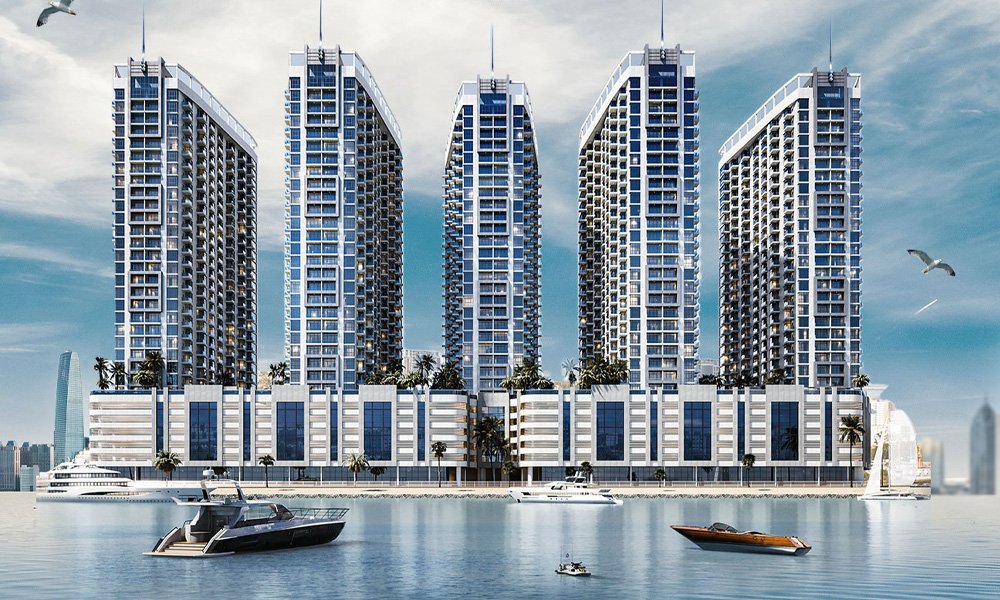
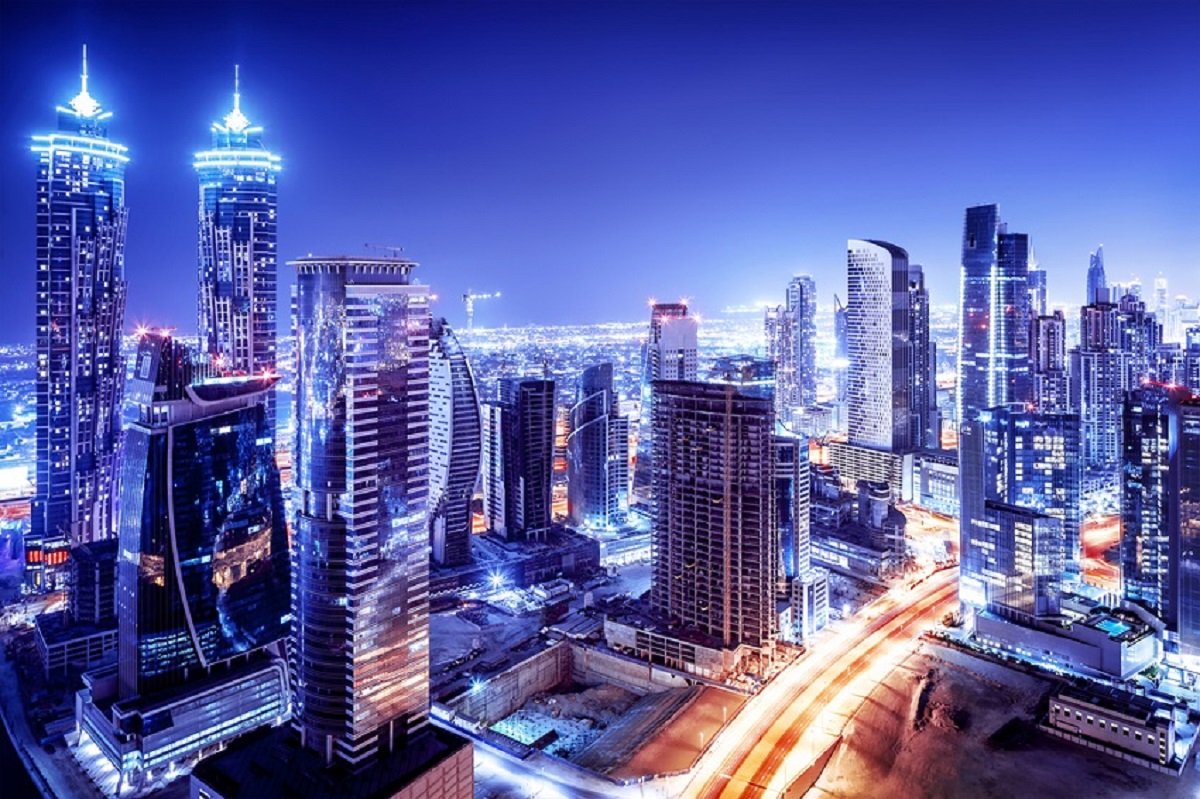
The UAE property market has long been a magnet for investors, expatriates, and locals alike. With its iconic skyline, luxurious developments, and reputation for high returns, real estate in cities like Dubai and Abu Dhabi represents opportunity. Yet, a new challenge is emerging: a supply crisis that could reshape the market. To understand this, we need to look beyond the headlines and explore the market dynamics, economic influences, and on-the-ground realities.
For decades, the UAE’s real estate market grew at an astonishing pace. Developers launched ambitious projects, from sprawling villa communities to luxury apartments that tower over the city. While demand seemed endless, certain segments are now under pressure. Prime locations are scarce, and buyers often face limited choices.
The imbalance between supply and demand is most visible in luxury and high-demand areas. Properties in these segments are selling faster than developers can deliver, creating a subtle tension that impacts prices, rental yields, and investor sentiment.
Demand is no longer uniform. The UAE attracts long-term residents, global businesses, and high-net-worth individuals, all of whom prefer prime locations with modern amenities. This concentration of demand puts stress on specific neighborhoods while leaving others underdeveloped or overlooked.
Global economic shifts have slowed the pace of new developments. Rising construction costs, labor shortages, and supply chain issues delay projects that were once expected to hit the market quickly. Even completed projects may take longer to become available due to regulatory or logistical hurdles.
Regulations in the UAE aim to ensure sustainable growth, but sometimes these rules unintentionally restrict rapid housing delivery. Height restrictions, environmental guidelines, and zoning rules can slow construction, limiting the number of units in high-demand areas.
While supply issues exist across the market, they are most acute in high-demand locations. Downtown Dubai, Palm Jumeirah, and select Abu Dhabi neighborhoods see intense competition among buyers, while peripheral areas still have room for development but struggle to attract attention.
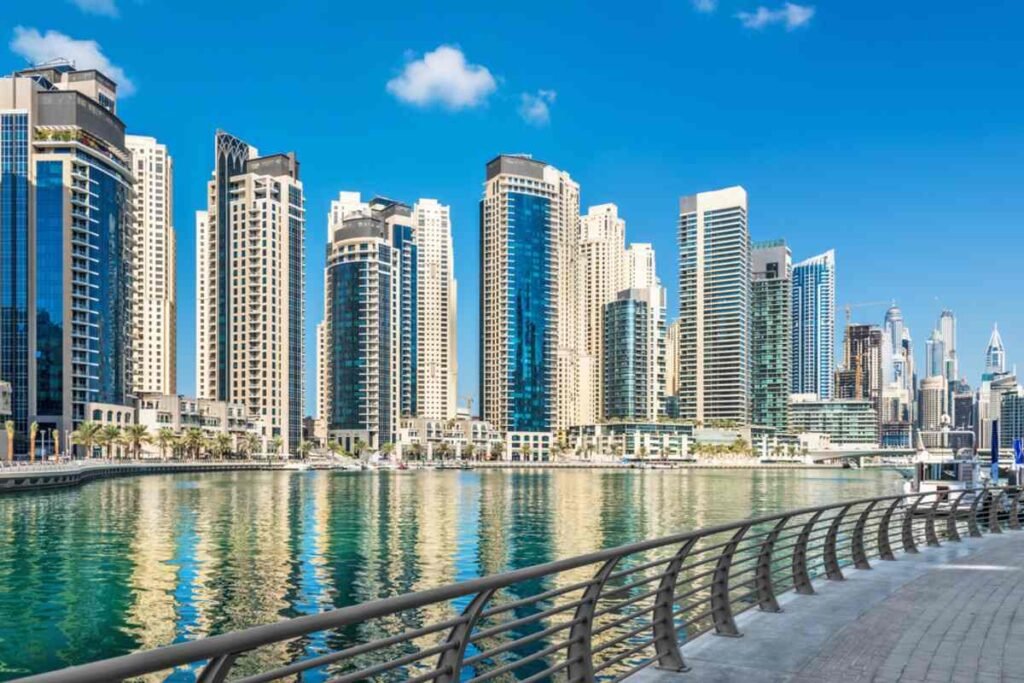
For those looking to buy, limited supply means higher prices and fewer choices. Families searching for specific amenities or locations may need to compromise or act quickly to secure their ideal property.
For investors, scarcity can be a silver lining. Properties in limited supply often appreciate faster and attract higher rental yields. Savvy buyers who identify emerging high-demand zones early can enjoy strong returns on investment. Timing and knowledge are critical in such a competitive environment.
Not all sectors are equally affected. Luxury and prime real estate remain hot commodities, while mid-market properties face unique pressures. Developers are focusing on high-value units to maximize returns, leaving mid-tier buyers searching for options that fit both budget and lifestyle needs.
Mixed-use projects that combine residential, commercial, and retail spaces are gaining popularity. These developments optimize land use while addressing evolving lifestyle demands. Investors see them as an opportunity for both capital appreciation and steady rental income.
Government reforms, including investor-friendly regulations and long-term visas, have increased interest in the UAE market. While these initiatives attract new buyers, they also add pressure on developers to meet rising demand.
Strategic urban planning ensures that growth remains controlled and environmentally conscious. Though this may slow immediate supply, it supports long-term market stability. Buyers and investors must balance short-term scarcity with long-term prospects.
Limited supply in sought-after areas can lead to higher property values. Buyers who act strategically can secure units in premium locations before prices rise further.
New developments in less saturated areas provide an alternative. While these locations may lack the glamour of established districts, they offer competitive pricing, modern infrastructure, and potential for future growth. Early adoption of these neighborhoods can result in substantial financial and lifestyle rewards.
Technology is reshaping how buyers and investors navigate scarcity. Virtual tours, AI-driven analytics, and digital property platforms enable smarter decision-making and quicker access to limited inventory.
Developers are adopting tech to monitor construction progress, allocate resources efficiently, and adapt to market trends. Technology bridges the gap between limited supply and strong demand, offering new opportunities for informed buyers.
High-demand property segments are likely to remain constrained, while mid-market and affordable housing may struggle unless development strategies shift.
Despite current supply pressures, the UAE market remains attractive. Economic growth, political stability, and international investment continue to drive demand. Strategic buyers and investors who navigate the supply crunch wisely can reap strong rewards.
Past supply shortages in the UAE have shown that the market can self-correct. Patience, research, and strategic investment often yield strong results.
Developers are learning to design flexible projects that accommodate changing buyer preferences and economic conditions. This adaptability ensures that supply will eventually catch up to demand, though timing is critical.
The UAE real estate supply crisis is a complex issue, shaped by demand surges, construction realities, and strategic planning. While it poses challenges for buyers and developers, it also creates opportunities for those who understand market dynamics.
By focusing on prime locations, emerging neighborhoods, and technology-driven solutions, buyers and investors can navigate this scarcity successfully. The supply crunch is temporary, and with informed strategies, the UAE real estate market remains a hub of growth, opportunity, and prosperity.
Even amid limited supply, the UAE’s property market continues to promise rewards for those who act wisely. Strategic foresight, market awareness, and timely decisions are key to turning this challenge into an advantage.
Do Follow Estate Magazine on Instagram
Read More:- Why Solitaire Cascades Promises Strong Growth for Future Residents 2025