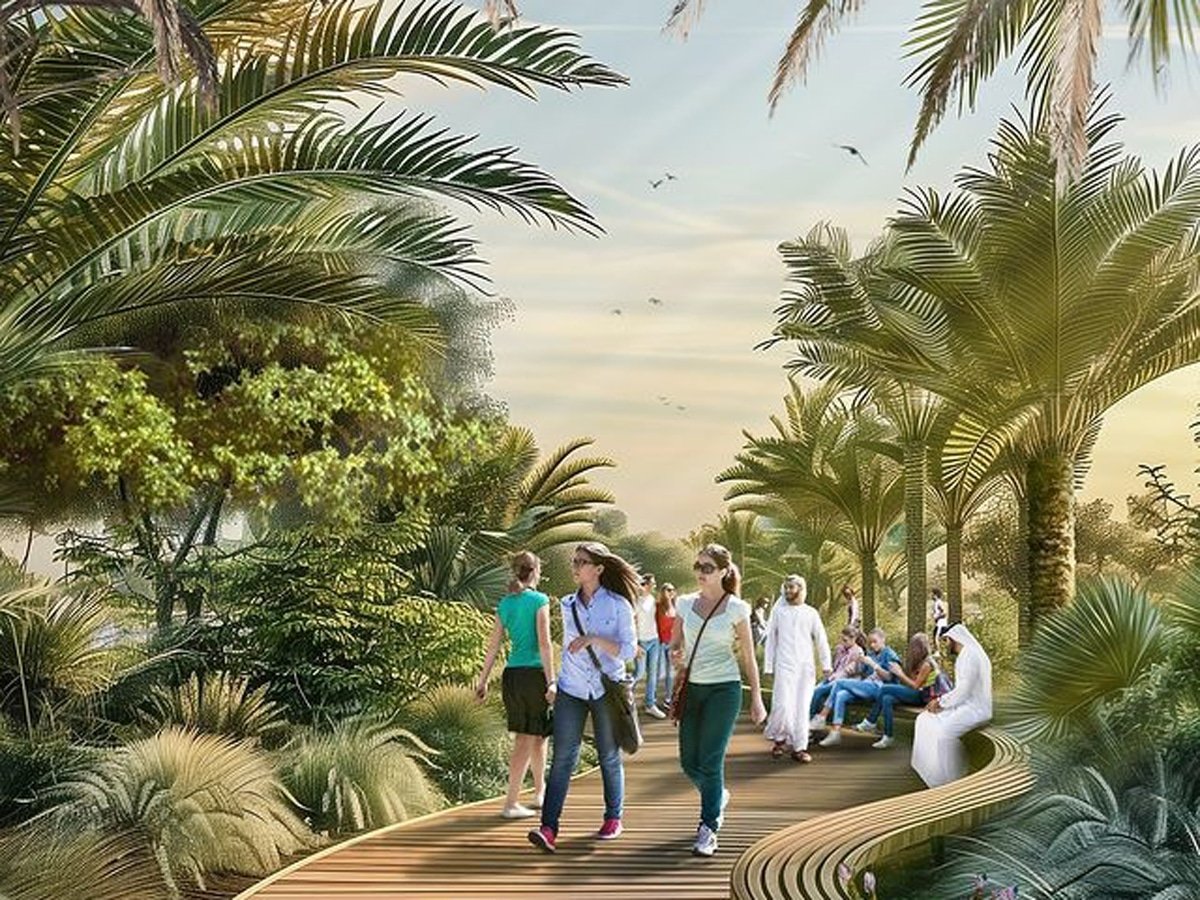
Walking has become more than just a mode of transport; it’s a lifestyle. In a fast-paced city like the UAE, finding neighborhoods that promote walkability is a luxury. From lush green promenades to buzzing commercial streets, walkable neighborhoods allow residents to enjoy a healthy, convenient, and vibrant lifestyle. Here, we explore the UAE’s top walkable areas, ranking them based on accessibility, amenities, and overall walking experience.
Before we dive into the rankings, it’s essential to understand what makes a neighborhood walkable. Walkability goes beyond just having sidewalks. It includes safety, proximity to daily necessities, pedestrian-friendly infrastructure, scenic routes, and social spaces that encourage walking. Residents in walkable areas often enjoy reduced reliance on cars, better health, stronger communities, and a more active lifestyle.
Downtown Dubai is the epitome of modern urban walkability. Its iconic landmarks, such as Burj Khalifa and The Dubai Mall, are all within walking distance. The area is meticulously designed with wide sidewalks, pedestrian crossings, shaded walkways, and fountains that make strolling a pleasure. Cafes, restaurants, and art galleries line the streets, encouraging residents and tourists to explore on foot.
Residents love Downtown Dubai not only for its luxury lifestyle but also for the convenience it offers. Whether it’s grabbing groceries, enjoying a coffee, or attending a business meeting, almost everything is accessible without a car. Evening walks along the Dubai Fountain or the serene pathways around Burj Park have become a daily ritual for many.
Jumeirah Beach Residence, commonly known as JBR, is perfect for those who love combining seaside views with an active lifestyle. The Walk at JBR is an outdoor shopping and dining promenade designed entirely with pedestrians in mind. Residents can enjoy morning jogs along the beach, casual evening strolls, or even weekend shopping—all without ever needing a car.
The neighborhood emphasizes community and leisure. Parks, beach access, fitness centers, and water sports facilities make it an ideal spot for families and young professionals. The combination of vibrant street life, ocean breeze, and pedestrian-friendly planning positions JBR as one of the UAE’s most walkable and desirable neighborhoods.
Al Barsha is often praised for its practicality and accessibility. Its walkability stems from the abundance of supermarkets, schools, parks, and malls concentrated in one area. The iconic Mall of the Emirates is easily accessible on foot from many residential pockets, making daily errands simple and enjoyable.
The neighborhood’s streets are pedestrian-friendly, with safe crossings, shaded pathways, and well-maintained sidewalks. Residents appreciate the balance between urban convenience and calm residential streets. With a mix of villas, apartments, and community centers, Al Barsha offers a lifestyle where everything you need is just a short walk away.
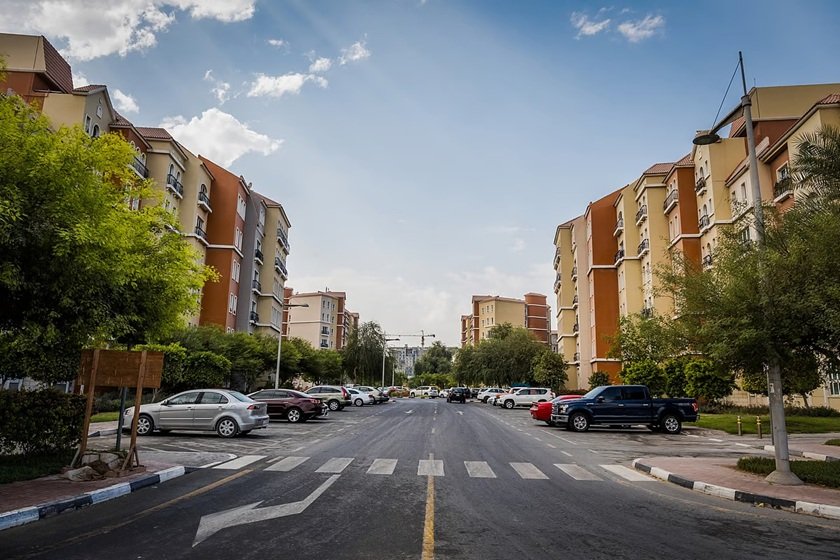
City Walk is Dubai’s modern urban hub, designed for walking enthusiasts. Combining retail, residential, and entertainment zones, it encourages a car-free experience within its precinct. Streets are wide and lined with greenery, cafes, and art installations, offering residents a visually stimulating walking environment.
This neighborhood seamlessly blends luxury living with accessibility. Whether it’s enjoying a boutique shopping experience, dining in alfresco restaurants, or taking an evening stroll through beautifully landscaped streets, City Walk prioritizes the pedestrian experience. It’s a place where walking isn’t just practical—it’s an experience.
For families and professionals seeking a quieter but highly walkable community, The Greens and The Views are ideal. These neighborhoods focus on residential comfort with pedestrian-friendly pathways connecting apartments, parks, pools, and cafes. Walking around the lakes or along tree-lined streets provides a sense of tranquility while still being close to commercial areas.
Residents enjoy a self-contained environment where schools, clinics, gyms, and shops are within walking distance. The neighborhoods foster a sense of community, encouraging residents to meet neighbors during walks, at parks, or along scenic footpaths.
Dubai Marina has become synonymous with waterfront living. Its extensive promenade along the marina is perfect for jogging, strolling, or simply enjoying the skyline and yachts. Cafes, retail outlets, and entertainment venues line the pathway, making it one of the city’s liveliest walkable areas.
The neighborhood’s design encourages exploration on foot, with bridges, shaded pathways, and open spaces enhancing the walking experience. Evening walks along the Marina offer a mix of relaxation and social engagement, making it highly attractive for young professionals and tourists alike.
MBR City is a master-planned urban district with walkability at its core. Parks, retail spaces, cultural venues, and residential areas are carefully integrated to reduce reliance on cars. Pedestrian paths are wide, shaded, and safe, making walking comfortable even during the hotter months.
Residents appreciate the convenience of accessing schools, clinics, and grocery stores without driving. Recreational areas such as The Gardens and the Opera District offer scenic walking routes, connecting communities with nature and art. This neighborhood demonstrates the future of walkable urban living in the UAE.
While Dubai often gets the spotlight, Abu Dhabi also offers highly walkable neighborhoods. Saadiyat Island stands out for its combination of scenic beauty and cultural richness. Walking paths along the coastline, near the Louvre Abu Dhabi, and around pristine beaches offer both leisure and exercise opportunities.
The neighborhood integrates residential, commercial, and cultural spaces, promoting a balanced walking lifestyle. Cafes, parks, and art venues encourage residents to explore on foot, while safe streets and shaded paths make walking accessible to all age groups.
Yas Island is designed for entertainment and leisure, making walking the natural choice. With Yas Mall, Ferrari World, Yas Marina, and Yas Waterworld all within proximity, residents and visitors can navigate the island without needing a car.
Pedestrian pathways connect hotels, restaurants, and entertainment hubs, encouraging exploration on foot. Residents benefit from an active lifestyle where exercise, shopping, dining, and social engagement all occur within walking distance, enhancing the neighborhood’s appeal for families and young professionals alike.
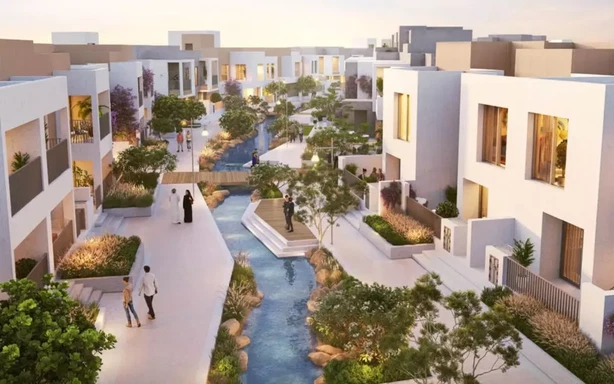
Although slightly outside the UAE, Al Mouj in nearby Muscat deserves mention for its exceptional walkability. Its waterfront promenades, pedestrian-friendly streets, and integrated retail-residential planning provide a serene yet connected lifestyle. Walking along the marina, visiting cafes, or jogging in landscaped parks has become a favorite daily ritual for residents.
The community design focuses on accessibility, safety, and scenic beauty, showing that walkable neighborhoods are increasingly valued across the Gulf region.
Living in a walkable neighborhood offers far more than convenience. Health benefits, such as improved cardiovascular fitness, reduced stress, and enhanced mental well-being, are immediate advantages. Social connections flourish as residents naturally interact during daily walks.
Environmental benefits are also significant, with reduced reliance on cars lowering carbon footprints. Economically, walkable areas can save residents money on transportation while enhancing property values due to their high demand.
Moreover, walkable neighborhoods often encourage a balanced lifestyle. Access to parks, cafes, shops, and cultural venues without a car promotes spontaneity, leisure, and a sense of community—elements that define a fulfilling urban life.
Choosing the right walkable neighborhood depends on lifestyle priorities. Families may prioritize proximity to schools and parks, while young professionals might focus on cafes, shopping, and public transport access. Factors like safety, pedestrian infrastructure, green spaces, and the availability of amenities all influence the walking experience.
It’s also essential to consider long-term development. Neighborhoods that continue to invest in pedestrian-friendly designs, public spaces, and urban planning are likely to retain or increase their walkability over time.
The UAE has been investing heavily in creating walkable, sustainable communities. With urban planning increasingly focusing on pedestrian accessibility, shaded pathways, cycling tracks, and mixed-use developments, walkable neighborhoods are no longer a luxury—they are becoming the standard.
Future projects aim to integrate residential, commercial, and leisure zones seamlessly, reducing car dependence and promoting a healthier, more connected lifestyle. Residents can expect neighborhoods designed around human experience rather than traffic, making walkability a central feature of urban living.
Walkable neighborhoods in the UAE offer much more than convenience—they foster health, community, and a fulfilling lifestyle. From Downtown Dubai’s iconic streets to Saadiyat Island’s scenic pathways, each area provides unique experiences tailored for pedestrians. Choosing the right walkable neighborhood depends on personal preferences, but the benefits are universal: reduced stress, improved fitness, stronger social ties, and a more vibrant daily life.
As the UAE continues to prioritize sustainable, pedestrian-friendly development, walkable communities will shape the future of urban living, blending convenience, culture, and lifestyle into seamless daily experiences. For anyone seeking a balance between modern urban life and active, enjoyable living, these neighborhoods offer the perfect solution.
Do Follow Estate Magazine on Instagram
Read More:- Why Solitaire Cascades Promises Strong Growth for Future Residents 2025